


13 Ways Plant Protein Aids Weight Loss & Digestion

Get personalised recommendations with our assessment.
Personalised Health Diagnosis (PHD)
Plant protein has emerged as a nutritional powerhouse that extends far beyond basic protein needs. While many people associate protein primarily with muscle building, the reality is that plant-based proteins offer unique advantages for weight management and digestive health that animal proteins simply can't match. The plant protein effects on your body create a cascade of benefits that support sustainable weight loss while optimizing your digestive system's performance. From enhanced satiety signals to improved gut microbiome diversity, plant proteins work synergistically with your body's natural processes. Understanding these mechanisms can transform how you approach nutrition, helping you achieve lasting results without the digestive discomfort often associated with heavy animal protein consumption.
Plant proteins operate through distinct metabolic pathways that create more favorable conditions for weight management compared to their animal counterparts. The plant-based protein benefits stem from their unique amino acid profiles and accompanying nutrients that work together to regulate hunger hormones and boost metabolism.
These plant-powered proteins require more energy to digest and process, creating a higher thermic effect that burns additional calories throughout the day. This enhanced metabolic demand means your body works harder to break down plant proteins, naturally increasing your daily calorie burn.
Unlike isolated animal proteins, plant protein sources naturally contain fiber that slows digestion and extends feelings of fullness. This combination creates a sustained release of amino acids while maintaining stable blood sugar levels, preventing the energy crashes that often trigger overeating.
Plant proteins typically contain fewer calories per gram while providing equivalent protein content. This allows you to consume larger, more satisfying portions while maintaining a caloric deficit necessary for weight loss.
The digestive advantages of plant proteins extend beyond simple protein absorption. Plant protein digestion occurs more efficiently because these proteins come packaged with digestive enzymes and prebiotics that support optimal gut function. Plant protein consumption increases beneficial gut bacteria within just two weeks of consistent intake. This microbiome enhancement improves nutrient absorption, reduces inflammation, and strengthens the intestinal barrier function.
Plant proteins place less strain on digestive organs compared to animal proteins. The absence of saturated fats and cholesterol means your liver and gallbladder can focus on protein processing rather than fat emulsification, leading to more efficient digestion overall.
Many plant protein sources contain natural digestive enzymes that aid in their own breakdown. Legumes, for example, provide protease enzymes that specifically target protein digestion, reducing the workload on your pancreas.
Selecting the right plant protein sources maximizes both weight loss and digestive benefits. The most effective options provide complete amino acid profiles while delivering additional nutrients that support metabolic function.
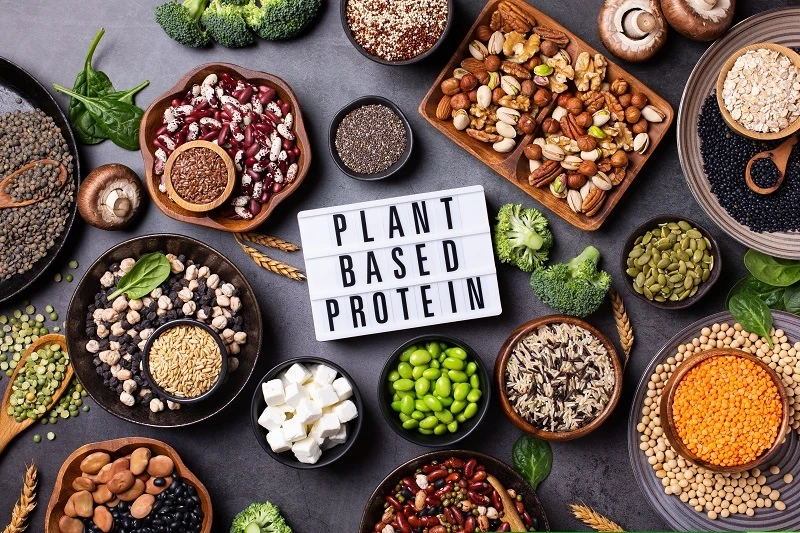
Quinoa stands out as a complete protein containing all nine essential amino acids, while also providing magnesium and iron that support energy metabolism. Hemp seeds offer a perfect ratio of omega fatty acids alongside substantial protein content per serving.
Lentils, chickpeas, and black beans provide substantial protein per cup while delivering soluble fiber that feeds beneficial gut bacteria. These options also contain resistant starch that further enhances digestive health and metabolic function.
Chia seeds, pumpkin seeds, and almonds offer concentrated protein with healthy fats that support hormone production and nutrient absorption. These options work particularly well as snacks that maintain satiety between meals.
Contrary to outdated beliefs, plant protein for muscle growth proves equally effective as animal protein when consumed in adequate quantities. The key lies in understanding amino acid timing and combining complementary protein sources throughout the day.
Athletes consuming plant-based proteins achieve identical muscle protein synthesis rates when total daily protein intake reaches optimal levels. The leucine content in many plant proteins effectively triggers the pathways responsible for muscle building.
Combining rice and pea protein creates a complete amino acid profile that rivals traditional protein sources for muscle building potential. This combination provides high levels of branched-chain amino acids essential for muscle recovery and growth.
Plant proteins contain antioxidants and anti-inflammatory compounds that accelerate muscle recovery. This allows for more frequent training sessions and better adaptation to exercise stress.
While generally well-tolerated, understanding potential plant protein side effects helps you optimize your intake strategy. Most adverse effects result from sudden dietary changes or individual sensitivities rather than inherent problems with plant proteins themselves.
The most common issues include temporary digestive discomfort when transitioning from animal to plant proteins, particularly if fiber intake increases dramatically. Gradual introduction over several weeks allows your digestive system to adapt and produce appropriate enzymes.
Initial gas production from legume-based proteins typically subsides within two weeks as gut bacteria adapt. Soaking beans overnight and using digestive enzymes can minimize these temporary effects during the transition period.
Some plant proteins contain compounds that can reduce mineral absorption. Proper preparation methods such as soaking, sprouting, or fermenting neutralize these effects while enhancing protein bioavailability.
The relationship between plant protein and energy extends beyond simple calorie provision. Plant proteins support sustained energy production through improved cellular function and enhanced nutrient utilization efficiency.
Unlike animal proteins that can create metabolic stress, plant proteins maintain optimal pH balance in your body. This alkaline environment supports cellular energy production and reduces the metabolic burden associated with acid neutralization.
Plant proteins combined with their natural fiber content create a gradual release of amino acids that maintains steady blood glucose levels. This prevents energy crashes and reduces cravings for quick-energy foods that derail weight loss efforts.
Many plant protein sources provide iron and B-vitamins essential for energy metabolism. Legumes and quinoa particularly excel in these nutrients, supporting oxygen transport and cellular energy production.
Athletic performance with plant protein for athletes requires strategic timing and combination approaches. Elite athletes successfully maintain peak performance while following plant-based protocols by optimizing protein distribution throughout training cycles.
Professional athletes report improved recovery times and reduced inflammation when switching to plant-based protein sources. The antioxidant content in plant proteins helps neutralize exercise-induced stress while providing necessary amino acids for tissue repair.
Consuming adequate plant protein within the post-exercise window maximizes muscle protein synthesis. Combining fast-absorbing options like pea protein with slower-digesting sources extends the anabolic window.
Plant proteins offer digestive advantages during competition periods when gastrointestinal stress can impact performance. The easier digestion allows athletes to maintain protein intake without digestive discomfort.
Optimizing plant protein absorption requires understanding the factors that enhance or inhibit amino acid uptake. Simple strategies can significantly improve the bioavailability of plant-based proteins, ensuring you receive maximum benefit from your dietary choices.
Combining plant proteins with vitamin C-rich foods increases iron absorption from legumes and seeds. Adding citrus fruits, bell peppers, or strawberries to plant protein meals can substantially improve iron bioavailability, supporting energy production and oxygen transport.
Taking plant-based digestive enzymes with meals containing concentrated plant proteins improves amino acid liberation. Proteases specifically target protein breakdown, while other enzymes help digest accompanying nutrients.
Pairing plant proteins with healthy fats improves absorption of fat-soluble vitamins often present in plant protein sources. Adding avocado, nuts, or olive oil to plant protein meals enhances overall nutrient uptake.
The specific ways plant protein for weight loss operates involve multiple physiological pathways that create favorable conditions for fat loss. These mechanisms work synergistically to support sustainable weight management without metabolic slowdown.
Plant proteins increase production of satiety hormones that signal fullness to the brain and slow gastric emptying. This hormonal response lasts longer with plant proteins compared to animal sources, extending the period between meals and reducing overall caloric intake.
The thermic effect of plant proteins requires substantially more energy to digest compared to animal proteins. This increased metabolic demand burns additional calories throughout the day, contributing to weight loss even at rest.
Plant proteins support fat oxidation by providing amino acids necessary for various metabolic processes. These compounds help transport fatty acids into cellular powerhouses for energy production, directly supporting fat burning during exercise and daily activities.
The sustained consumption of plant proteins creates cumulative health benefits that extend far beyond immediate weight loss and digestive improvements. These long-term effects support overall health span and disease prevention.
At Ace Blend, we understand that optimal nutrition goes beyond short-term results. Our premium plant proteins are designed to support your long-term wellness journey with clean, optimized formulations that deliver consistent results without compromise.
Plant proteins support cardiovascular health by improving cholesterol profiles and enhancing arterial flexibility. The absence of saturated fat and presence of beneficial compounds contribute to heart health protection.
Long-term plant protein consumption maintains insulin sensitivity and glucose tolerance. These effects support sustained weight management and reduce risk of metabolic dysfunction development.
For effective weight loss, aim for adequate plant protein based on your body weight and activity level. This amount supports muscle preservation while creating the metabolic benefits necessary for fat loss. Distribute this intake across multiple meals for optimal absorption and satiety.
Yes, plant proteins can completely replace animal proteins when properly planned. Focus on variety and combining complementary sources like rice with peas or quinoa with hemp seeds to ensure complete amino acid profiles. Monitor key nutrients and consider appropriate supplementation as needed.
For sensitive digestive systems, start with easily digestible options like quinoa, hemp seeds, and high-quality pea protein powder. Avoid high-fiber legumes initially and gradually introduce them as your digestive system adapts. Sprouted and fermented plant proteins are typically easier to digest.
Most people notice increased satiety and reduced cravings within one to two weeks of switching to plant proteins. Measurable weight loss typically begins within several weeks when combined with appropriate caloric intake and regular exercise. Digestive improvements often appear within the first week.
Plant proteins offer a comprehensive approach to weight management and digestive health that surpasses simple protein provision. The unique combination of amino acids, fiber, and bioactive compounds creates synergistic effects that support sustainable weight loss while optimizing digestive function. By understanding these mechanisms and implementing gradual dietary changes, you can harness the full potential of plant proteins for lasting health improvements. Remember that consistency and variety in plant protein sources will maximize both immediate benefits and long-term health outcomes, setting you up for sustained success in your wellness journey.


Someone sent you
Powered by ReferRush