


Plant Protein FAQ: Everything You Need to Know

Get personalised recommendations with our assessment.
Personalised Health Diagnosis (PHD)
The plant protein revolution is reshaping how we think about nutrition, muscle building, and optimal health. Gone are the days when protein meant only animal sources. Today's plant-powered nutrition offers complete amino acid profiles, superior digestibility, and benefits that extend far beyond basic muscle recovery. Whether you're a dedicated athlete, health-conscious professional, or someone exploring cleaner nutrition options, understanding plant protein can transform your wellness journey. This comprehensive guide cuts through the noise to deliver science-backed insights about vegan protein sources, muscle-building potential, and practical applications that actually work.
Plant protein represents a diverse category of protein sources derived entirely from plants, offering complete nutritional profiles without animal products. Unlike the outdated belief that plant proteins are "incomplete," modern research reveals that many plant sources provide all essential amino acids your body needs for optimal function.
The key difference between plant and animal proteins lies in their amino acid distribution and bioavailability. While animal proteins typically contain all nine essential amino acids in one source, plant proteins often require strategic combining to achieve complete profiles.
However, this doesn't make them inferior—it simply requires smarter nutrition planning. Bioavailability varies among plant protein sources, with some like pea protein showing absorption rates comparable to whey. Hemp protein offers additional benefits through omega fatty acids, while rice protein provides hypoallergenic options for sensitive individuals. The processing method significantly impacts protein quality, making source selection crucial for optimal results.
Common misconceptions persist about plant protein quality and effectiveness. Many believe plant proteins can't support muscle building or athletic performance, yet research consistently demonstrates otherwise when adequate amounts are consumed with proper amino acid profiles.
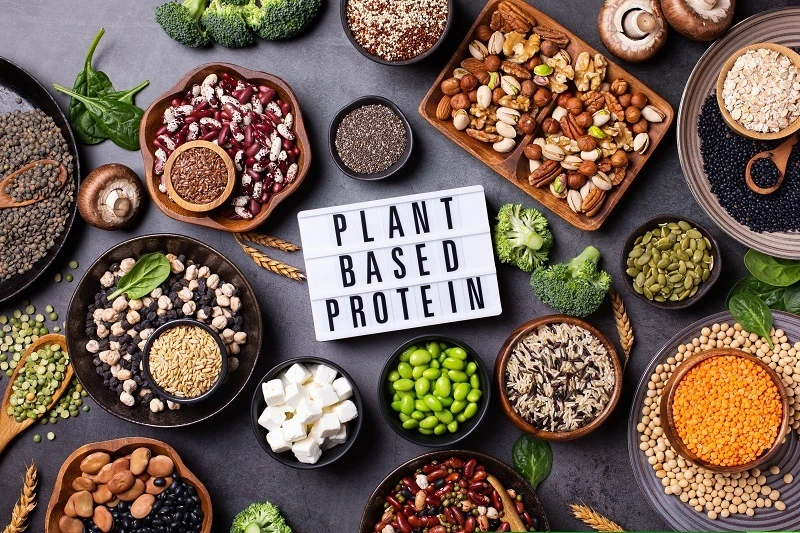
Identifying complete plant protein sources eliminates the guesswork from plant-based nutrition. These foods naturally contain all essential amino acids in proportions that support muscle building, recovery, and overall health without requiring complex meal planning.
Quinoa stands out as a complete protein grain, providing approximately 8 grams of protein per cooked cup with all essential amino acids. Its versatility makes it perfect for breakfast bowls, salads, or post-workout meals. Buckwheat offers similar benefits with additional fibre and minerals that support digestive health. Hemp seeds deliver complete protein alongside omega-3 and omega-6 fatty acids in optimal ratios. Three tablespoons provide about 10 grams of easily digestible protein, making them ideal for smoothies or yogurt toppings.
Legumes form the foundation of plant-based protein nutrition, with lentils, chickpeas, and black beans offering 15-18 grams per cooked cup. Their fibre content supports digestive health while providing sustained energy release throughout the day. Nut and seed combinations create complete amino acid profiles when consumed together. Almonds paired with pumpkin seeds, or tahini with hemp hearts, provide comprehensive nutrition that rivals any animal protein source.
The classic rice and beans combination creates a complete protein profile that has sustained populations for centuries. This pairing provides all essential amino acids while offering complex carbohydrates for sustained energy. Modern nutrition science shows that amino acid combining doesn't need to occur within single meals. Daily intake of varied plant protein sources naturally provides complete amino acid profiles, simplifying meal planning significantly.
Protein powder represents the most convenient way to ensure adequate plant protein intake, especially for active individuals or those with higher protein requirements. Understanding different types and their unique benefits helps optimize your supplementation strategy.
Pea protein isolate offers exceptional bioavailability with leucine content that rivals whey protein. Its neutral taste and smooth texture make it ideal for post-workout shakes or meal replacement applications. Most quality pea proteins provide 20-25 grams per serving with minimal additives. Brown rice protein provides hypoallergenic options for individuals with sensitivities. While lower in lysine, it combines perfectly with pea protein to create complete amino acid profiles. Rice protein typically offers 22-24 grams per serving with excellent digestibility. Hemp protein delivers more than just protein—it provides omega fatty acids, fibre, and minerals that support overall health. Though lower in protein concentration (15-20 grams per serving), hemp offers unique nutritional benefits that extend beyond basic protein needs.
Protein content should range between 20-30 grams per serving for optimal effectiveness. Higher concentrations often indicate better processing and fewer fillers, though extremely high numbers may suggest synthetic additives. Branched-chain amino acids (BCAAs) and glutamine content directly impact muscle building and recovery potential. Quality plant protein powders naturally contain these compounds without requiring synthetic additions. Third-party testing ensures purity and potency while confirming absence of contaminants. Look for certifications from independent laboratories that verify protein content and safety standards.
Digestive adaptation may require gradual introduction of plant protein powders, especially for individuals transitioning from animal proteins. Starting with smaller servings and increasing gradually minimizes potential discomfort. Timing optimization involves consuming protein within 30-60 minutes post-workout for maximum muscle protein synthesis. However, total daily intake matters more than precise timing for overall health benefits.
The advantages of plant protein extend far beyond meeting basic protein requirements. These benefits encompass muscle building, disease prevention, environmental impact, and long-term health optimization that animal proteins simply cannot match. Muscle building and recovery occur efficiently with adequate plant protein intake. Research demonstrates that plant proteins support muscle protein synthesis rates comparable to animal sources when consumed in appropriate amounts with complete amino acid profiles.
Weight management becomes more sustainable with plant protein due to higher fibre content and lower caloric density. The satiety provided by plant proteins helps control appetite while supporting lean muscle maintenance during weight loss phases.
Heart health improvements result from plant protein's naturally lower saturated fat content and absence of cholesterol. Studies consistently show reduced cardiovascular disease risk among individuals consuming higher proportions of plant proteins.
Digestive health benefits include improved gut microbiome diversity and reduced inflammation. Plant proteins provide prebiotic fibres that feed beneficial bacteria while avoiding the inflammatory compounds found in some animal proteins.
Anti-inflammatory properties of plant proteins contribute to faster recovery and reduced exercise-induced inflammation. This translates to better training adaptations and improved overall performance for active individuals.
Strategic plant protein usage requires understanding individual needs, timing considerations, and combination strategies that maximize absorption and effectiveness. This approach ensures you receive all benefits while avoiding common pitfalls.
General population needs typically range from 0.8-1.0 grams per kilogram of body weight for basic health maintenance. This amount supports normal cellular functions and prevents protein deficiency in sedentary individuals. Athletic requirements increase significantly, with muscle-building goals requiring 1.6-2.2 grams per kilogram body weight. Endurance athletes may need slightly less, while strength athletes often benefit from the higher end of this range. Age and gender considerations affect protein needs, with older adults requiring higher intakes to prevent muscle loss. Women may need slightly different timing strategies due to hormonal fluctuations affecting protein synthesis.
Post-workout protein consumption within 60 minutes optimizes muscle protein synthesis and recovery. Plant proteins work equally well as animal proteins for this purpose when providing adequate leucine content. Daily distribution across multiple meals ensures consistent amino acid availability for muscle maintenance and growth. Spreading intake throughout the day proves more effective than consuming large amounts in single meals. Combining plant proteins with complementary nutrients enhances absorption and effectiveness. Vitamin C improves iron absorption from plant sources, while healthy fats support fat-soluble vitamin uptake.
A complete plant protein contains all nine essential amino acids in proportions that support optimal body function. This matters because your body cannot produce these amino acids independently, requiring dietary sources for muscle building, immune function, and cellular repair.
Plant protein powder serves as an excellent supplement but shouldn't completely replace whole food sources. Whole foods provide additional nutrients, fiber, and compounds that powders cannot replicate, making a combination approach optimal for comprehensive nutrition.
Plant protein can be equally effective for muscle building when consumed in adequate amounts with complete amino acid profiles. While whey may have slight advantages in leucine content, strategic plant protein consumption achieves similar results for muscle growth and recovery.
Mild digestive discomfort, bloating, or gas may occur initially as your system adapts to increased fibre and different protein sources. These effects typically resolve within 1-2 weeks of consistent use and can be minimized by gradual introduction.
Daily plant protein needs vary based on activity level, age, and goals. Sedentary adults need 0.8-1.0g per kg body weight, while active individuals require 1.6-2.2g per kg. Our DAILY Protein provides 20g per serving, making it easy to meet these requirements alongside whole food sources.
Plant protein provides excellent post-workout recovery when consumed within 30-60 minutes after exercise. Quality plant proteins contain the essential amino acids needed for muscle repair and growth, making them highly effective for athletic recovery.
Yes, adequate plant protein intake is achievable through whole foods alone with proper planning. However, protein supplements offer convenience and concentrated nutrition that can simplify meeting higher protein requirements, especially for active individuals.
Protein isolate undergoes additional processing to remove more carbohydrates and fats, resulting in higher protein concentration (90%+ vs 70-80% in concentrates). Isolates typically offer better digestibility and fewer calories per gram of protein.
Plant protein represents a powerful, science-backed approach to meeting your nutritional needs while supporting muscle building, recovery, and long-term health. The key lies in understanding complete amino acid profiles, strategic combining, and choosing quality sources that align with your goals.
Whether you choose whole food sources, protein powders, or a combination approach, plant proteins offer advantages that extend beyond basic nutrition. From improved digestive health to reduced environmental impact, these benefits make plant protein an intelligent choice for modern nutrition. Success with plant protein requires consistency, adequate intake, and smart timing rather than complex strategies.
Our range of plant proteins, from DAILY Protein for everyday nutrition to INTENSE Protein for serious athletes, makes achieving optimal plant protein intake simple and effective. The future of nutrition is plant-powered, and the science clearly supports this evolution toward cleaner, more sustainable protein sources.


Someone sent you
Error
Powered by ReferRush