


How to Increase Beneficial Gut Bacteria Naturally

Get personalised recommendations with our assessment.
Personalised Health Diagnosis (PHD)
Your gut houses trillions of bacteria that control everything from digestion to immunity to mental clarity. In fact, 70% of your immune system lives in your gut, making the health of your microbiome one of the most critical factors in your overall wellness. Yet most people have no idea how to increase beneficial gut bacteria naturally, relying instead on expensive supplements or ignoring their gut health altogether.
The truth is, your gut microbiome is like a bustling city where beneficial bacteria work around the clock to keep you healthy. When this ecosystem falls out of balance, you'll feel it everywhere—poor digestion, frequent illness, brain fog, and even mood swings. But here's the good news: you can rebuild and strengthen your gut flora using science-backed methods that don't require a pharmacy degree to understand.
Your gut microbiome is a complex ecosystem of bacteria, fungi, and other microorganisms living in your digestive tract. Think of beneficial gut bacteria as your body's maintenance crew—they break down food, produce essential vitamins, train your immune system, and even communicate with your brain through the gut-brain axis.
The key players include Lactobacillus and Bifidobacterium strains that support digestion and immunity, plus Akkermansia bacteria that maintain your gut lining. When these beneficial bacteria thrive, they crowd out harmful pathogens and create an environment where your body can function optimally.
Your body sends clear signals when your gut microbiome is struggling. Watch for digestive issues like bloating, irregular bowel movements, or food sensitivities. Beyond digestion, an imbalanced gut often shows up as frequent colds, skin problems like acne or eczema, unexplained fatigue, and even anxiety or depression.
The fastest way to boost gut flora is through strategic food choices. Your diet directly shapes which bacteria flourish in your gut, making every meal an opportunity to strengthen your microbiome.
Focus on two categories: probiotic foods that add live beneficial bacteria, and prebiotic foods that feed the good bacteria already living in your gut. This one-two punch creates lasting changes in your microbiome composition.
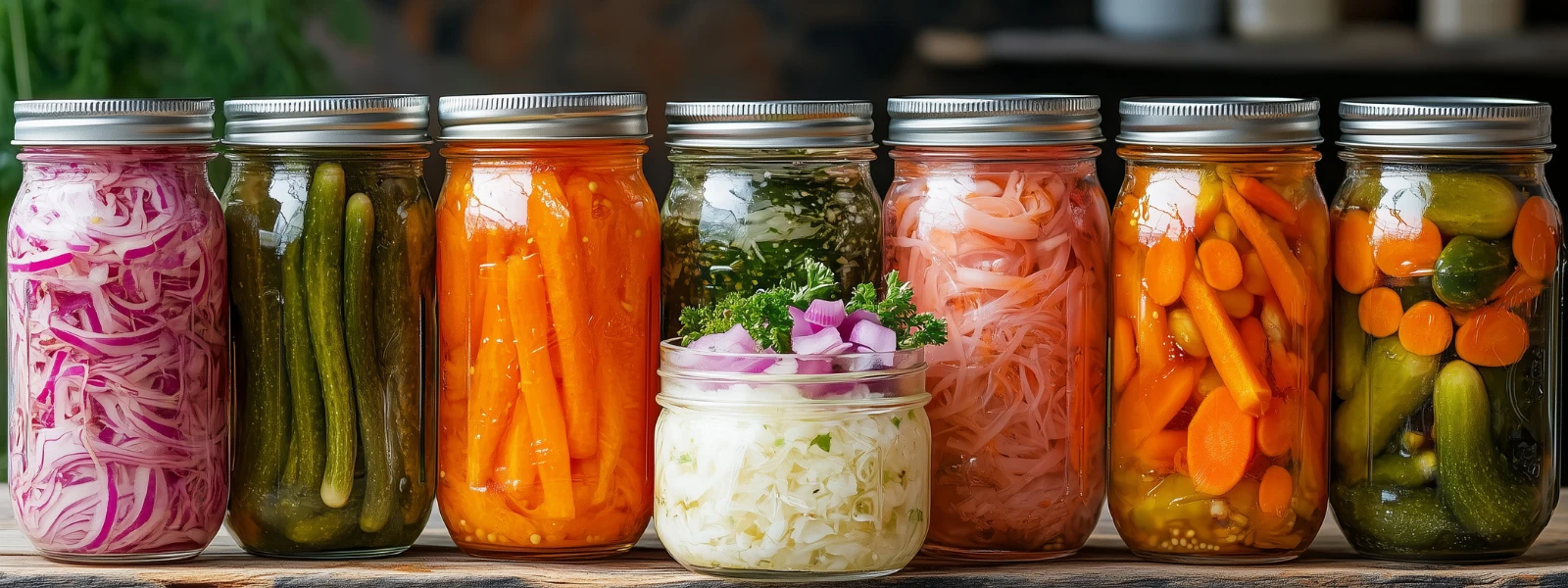
Fermented foods for gut health are your best allies. Yogurt with live cultures provides Lactobacillus strains that support digestion. Kefir contains even more diverse bacteria strains than yogurt, while kimchi and sauerkraut offer beneficial bacteria plus fiber to feed them.
Don't overlook miso, tempeh, and kombucha—these fermented foods deliver unique bacterial strains that diversify your microbiome. Choose products with minimal processing and check labels for "live and active cultures" to ensure you're getting viable bacteria.
Prebiotics are specialized fibers that beneficial bacteria feast on. Garlic, onions, and leeks contain inulin, a powerful prebiotic that feeds Bifidobacterium. Asparagus, bananas, and oats provide different types of prebiotic fiber that support various bacterial strains.
Apples with skin, flaxseeds, and Jerusalem artichokes round out your prebiotic arsenal. Aim for 25-35 grams of total fiber daily, with at least 5-10 grams coming from prebiotic sources to keep your beneficial bacteria well-fed.
Research shows people who eat 30+ different plant foods weekly have more diverse gut bacteria than those eating fewer varieties. This diversity translates to better health outcomes across the board.
Include colorful fruits, vegetables, nuts, seeds, and whole grains in your rotation. Polyphenol-rich foods like berries, green tea, dark chocolate, and extra virgin olive oil act as prebiotics while providing antioxidant benefits that support gut lining health.
Diet alone won't optimize your gut microbiome. Your lifestyle choices—from how much you move to how well you sleep—directly impact which bacteria thrive in your digestive system.
The gut-brain connection means stress, sleep, and physical activity all influence your microbiome composition. Small changes in these areas can dramatically improve your gut bacteria balance.
Physical activity increases beneficial bacteria diversity and strengthens the gut lining. Even moderate exercise like 30-minute daily walks can shift your microbiome toward more beneficial species within weeks.
Yoga and strength training provide additional benefits by reducing stress hormones that can disrupt gut bacteria. Aim for 150 minutes of moderate activity weekly, but avoid overtraining, which can temporarily reduce beneficial bacteria.
Your gut bacteria follow circadian rhythms just like you do. Poor sleep disrupts these natural cycles, leading to decreased beneficial bacteria and increased inflammation.
Prioritize 7-9 hours of quality sleep by maintaining consistent bedtimes, limiting blue light exposure before bed, and creating a cool, dark sleeping environment. Your gut bacteria will thank you with improved digestion and stronger immunity.
Chronic stress floods your system with cortisol, which directly reduces beneficial bacteria populations. The gut-brain axis means your emotional state literally reshapes your microbiome.
Practice daily stress reduction techniques like meditation, deep breathing exercises, or spending time in nature. Even 10 minutes of mindfulness daily can help maintain healthier gut bacteria levels.
Knowing what feeds beneficial bacteria is only half the equation. Certain foods and habits actively damage your gut microbiome, undoing your progress toward better gut health.
Ultra-processed foods, excess sugar, and unnecessary antibiotic use are the biggest threats to your beneficial bacteria. Identifying and minimizing these gut disruptors is crucial for long-term microbiome health.
Processed foods high in sugar, artificial additives, and preservatives feed harmful bacteria while starving beneficial ones. Artificial sweeteners like aspartame and sucralose can reduce beneficial bacteria diversity by up to 50%.
Focus on whole foods and read ingredient lists carefully. If a product has more than five ingredients or contains words you can't pronounce, it's likely working against your gut health goals.
While antibiotics save lives when truly needed, they're often overprescribed for viral infections where they provide no benefit. Antibiotics kill beneficial bacteria along with harmful ones, sometimes taking months to fully recover.
If you must take antibiotics, support your gut recovery with probiotic foods and supplements during and after treatment. This proactive approach can minimize long-term microbiome damage.
While food should be your primary source of beneficial bacteria, targeted gut health supplements can provide additional support, especially during times of stress, illness, or after antibiotic treatment.
Quality matters more than quantity when choosing probiotic supplements. Look for products with specific strain names, appropriate CFU counts, and third-party testing for purity and potency.
Effective probiotic supplements contain 10-50 billion CFUs from multiple strains like Lactobacillus acidophilus, Bifidobacterium longum, and Lactobacillus plantarum. Avoid products with vague labeling like "proprietary blend" that don't specify exact strains or amounts.
Consider prebiotic supplements or fiber powders if you struggle to get enough prebiotic foods in your diet. Our FenuLean Fibre Flex provides both soluble and insoluble fiber to support beneficial bacteria while aiding digestion and healthy weight management.
Take probiotics on an empty stomach or with a small amount of fat to improve bacterial survival through stomach acid. Avoid taking them with hot beverages or immediately after antibiotic doses.
Functional foods can complement your gut health strategy. Our Turkey Tail mushroom coffee specifically supports gut health with beta-glucans that feed beneficial bacteria while providing sustained energy without crashes.
Sustainable gut health improvements happen gradually through consistent daily choices. Start with one or two changes and build momentum rather than overhauling your entire lifestyle overnight.
Track your progress through digestive symptoms, energy levels, and overall well-being rather than expecting immediate dramatic changes. Your gut microbiome needs time to establish new bacterial populations and create lasting balance.
Week 1-2: Add one probiotic food daily and increase vegetable variety. Week 3-4: Include prebiotic foods at each meal and establish regular meal timing. Week 5-8: Focus on stress management and sleep optimization while maintaining dietary changes.
Expect initial improvements in digestion within 2-4 weeks, with more significant changes in energy, immunity, and mood appearing after 3-6 months of consistent effort.
Focus on probiotic-rich fermented foods like yogurt, kefir, and kimchi while adding prebiotic foods like garlic, onions, and bananas. Quality probiotic supplements can provide additional support, but dietary changes create the most sustainable improvements.
Watch for digestive issues (bloating, irregular bowel movements), frequent illness, skin problems, mood changes, sugar cravings, unexplained fatigue, and autoimmune symptoms. These signs often improve within weeks of supporting gut health.
Initial improvements typically appear within 2-4 weeks, but significant microbiome changes require 3-6 months of consistent effort. Factors like starting health, diet quality, and lifestyle choices influence recovery timeline.
Absolutely. Fermented foods, prebiotic-rich vegetables, diverse plant foods, regular exercise, quality sleep, and stress management can dramatically improve gut bacteria naturally. Supplements are helpful but not essential for most people.
Increasing beneficial gut bacteria naturally requires a comprehensive approach combining smart food choices, lifestyle optimization, and patience. Focus on fermented foods for live bacteria, prebiotic foods to feed them, and diverse plant foods to create a thriving microbiome ecosystem.
Remember that your gut health journey is unique. Start with small, sustainable changes and build momentum over time. Your beneficial bacteria will respond to consistent care with improved digestion, stronger immunity, and better overall health that you'll feel throughout your entire body.


Someone sent you
Powered by ReferRush