


Curcumin vs. Fenugreek Extract: Which Boosts Immunity Best?

Get personalised recommendations with our assessment.
Personalised Health Diagnosis (PHD)
When it comes to natural immune support supplements, two powerhouse ingredients consistently dominate the conversation: curcumin and fenugreek extract. Both have earned recognition for their remarkable health benefits, but which one truly delivers superior immunity support? This comprehensive comparison explores the science behind these herbal immune boosters, examining their individual strengths, potential synergistic effects, and practical applications. Whether you're seeking natural compounds for immune system enhancement or wondering about turmeric and fenugreek synergy, understanding these body defense herbs can help you make informed decisions about your wellness routine.
Understanding the fundamental nature of curcumin and fenugreek extract provides essential context for comparing their immune-boosting capabilities. These natural compounds have distinct origins, chemical compositions, and traditional uses that shape their modern applications.
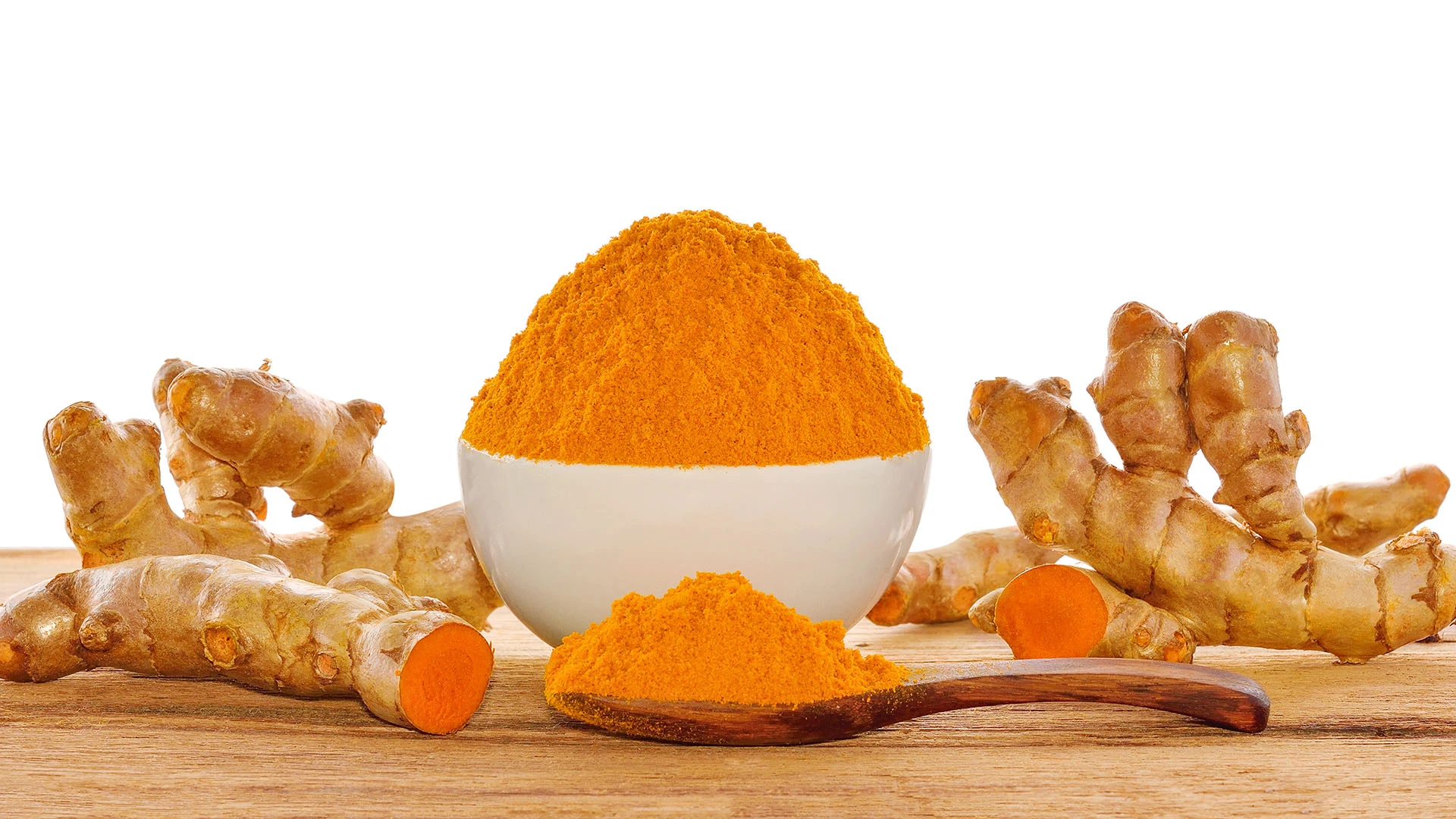
Curcumin represents the primary bioactive compound found in turmeric (Curcuma longa), responsible for the spice's characteristic golden color and therapeutic properties. This polyphenolic compound comprises approximately 2-8% of most turmeric preparations, though concentrated extracts can contain up to 95% curcumin.
Fenugreek extract derives from the seeds of Trigonella foenum-graecum, a plant cultivated for over 4,000 years across Mediterranean and Asian regions. The extract concentrates key bioactive compounds including saponins, flavonoids, and alkaloids that contribute to its health-promoting properties.
Curcumin's immune-supporting mechanisms operate through multiple pathways, making it one of the most studied natural compounds for immune system enhancement. Research demonstrates its ability to modulate both innate and adaptive immune responses while addressing underlying inflammatory processes.
Curcumin benefits for inflammation include inhibiting key inflammatory mediators such as NF-κB, cyclooxygenase-2 (COX-2), and lipoxygenase. Studies show curcumin supplementation can significantly reduce inflammatory markers across multiple research trials.
The compound's potent antioxidant activity helps neutralize free radicals that can compromise immune cell function. Studies indicate curcumin's antioxidant capacity exceeds that of vitamin E and vitamin C in certain cellular environments.
Research shows curcumin enhances macrophage activity, supports T-cell function, and promotes balanced cytokine production. These effects contribute to more efficient pathogen recognition and elimination while preventing excessive inflammatory responses.
Fenugreek extract health benefits extend beyond traditional uses, with modern research revealing sophisticated immune-supporting mechanisms. The extract's unique phytochemical profile enables multifaceted immune system enhancement through both direct and indirect pathways.
Fenugreek's saponins, particularly diosgenin and trigonelline, demonstrate significant immunomodulatory effects. These compounds help regulate immune cell proliferation and enhance the body's natural defense mechanisms against pathogens.
Clinical studies indicate fenugreek extract supports respiratory immune function, with participants showing improved resistance to seasonal challenges. Research suggests consistent users experience fewer respiratory issues compared to placebo groups.
Fenugreek's prebiotic properties support beneficial gut bacteria, which play crucial roles in immune system development and function. Approximately 70% of immune cells reside in gut-associated lymphoid tissue, making gut health fundamental to overall immunity.
The growing interest in natural immune support supplements reflects both scientific advancement and consumer awareness of holistic health approaches. Understanding why these supplements have gained prominence helps contextualize the curcumin versus fenugreek comparison within broader wellness strategies.
Traditional immune support often focuses on reactive rather than proactive measures. Natural supplements offer preventive benefits that support baseline immune function rather than merely addressing acute challenges.
Natural compounds typically demonstrate excellent safety profiles with minimal side effects when used appropriately. Both curcumin and fenugreek extract have extensive safety data supporting long-term use for immune support.
Emerging research suggests that curcumin fenugreek benefits may be enhanced when these compounds are used together, creating synergistic effects that exceed individual contributions. This combination approach represents an innovative strategy in natural immune support supplementation.
While curcumin primarily targets inflammatory pathways, fenugreek extract supports immune cell function and gut health. This complementary action creates comprehensive immune system support addressing multiple vulnerability points.
Some formulations combine these ingredients with bioavailability enhancers, potentially improving absorption and therapeutic effectiveness. At Ace Blend, our research team continues investigating optimal ratios and delivery methods for maximum benefit through our Curcumin Wonder Latte, which delivers 500mg of potent curcumin in a modern take on traditional haldi doodh.
Evaluating the scientific evidence for curcumin versus fenugreek extract requires examining clinical studies, biomarker improvements, and real-world effectiveness data. Both compounds demonstrate impressive research profiles, though with different strengths and applications.
Curcumin studies typically focus on inflammatory markers and oxidative stress reduction, with thousands of published papers supporting its immune benefits. Fenugreek research emphasizes metabolic health and immune cell function, with hundreds of relevant studies published to date.
Curcumin supplementation consistently improves C-reactive protein levels, interleukin-6 concentrations, and tumor necrosis factor-alpha markers. Fenugreek extract demonstrates improvements in immunoglobulin levels, white blood cell counts, and natural killer cell activity.
Selecting between curcumin and fenugreek extract depends on individual health goals, existing conditions, and specific immune support requirements. Understanding these nuances helps optimize supplement selection for maximum benefit.
Individuals dealing with chronic inflammatory conditions may benefit more from curcumin's potent anti-inflammatory effects. Its ability to modulate multiple inflammatory pathways makes it particularly suitable for systemic inflammation management.
For overall immune system enhancement, fenugreek extract's broad-spectrum benefits and gut health support may provide more comprehensive protection. Its traditional use for general wellness aligns with modern preventive health approaches.
During seasonal immune challenges, combining both compounds may offer optimal protection. The synergistic herbal extracts approach leverages each ingredient's unique strengths for enhanced effectiveness.
Proper dosing and safety awareness ensure optimal benefits while minimizing potential risks. Both curcumin and fenugreek extract demonstrate excellent safety profiles, though individual considerations apply to each compound.
Effective curcumin doses typically range from 500-1000mg daily, preferably with bioavailability enhancers like piperine. Higher doses may be appropriate for specific conditions under professional guidance.
Standardized fenugreek extract doses generally range from 300-600mg daily. Starting with lower doses allows assessment of individual tolerance and response patterns.
Both compounds may interact with certain medications, particularly blood thinners and diabetes medications. Consulting healthcare providers before beginning supplementation ensures safe integration with existing treatments.
Yes, curcumin fenugreek for immunity can typically be taken together safely. These natural compounds have complementary mechanisms and no known negative interactions. However, starting with lower doses and monitoring your response is recommended, especially if you're taking other medications.
Most people notice initial benefits within 2-4 weeks of consistent use, though optimal effects may take 8-12 weeks to fully develop. Individual responses vary based on baseline health status, dosage, and product quality.
Curcumin demonstrates more potent anti-inflammatory effects based on current research. It directly inhibits multiple inflammatory pathways and shows superior results in reducing inflammatory biomarkers compared to fenugreek extract.
Both supplements are generally well-tolerated. Curcumin may cause mild stomach upset in some people, while fenugreek can occasionally cause digestive discomfort or a maple syrup-like body odor. Starting with lower doses minimizes potential side effects.
Taking both curcumin and fenugreek extract with meals enhances absorption and reduces the likelihood of stomach upset. Fat-containing meals particularly improve curcumin bioavailability due to its lipophilic nature.
Both curcumin and fenugreek extract offer valuable immune support benefits, though through different mechanisms and strengths. Curcumin excels in anti-inflammatory action and oxidative stress reduction, making it ideal for individuals dealing with chronic inflammation or seeking targeted inflammatory support. Fenugreek extract provides broader immune system enhancement through gut health support, respiratory benefits, and immune cell modulation.
The choice between these natural compounds for immune system support depends on your specific health goals and needs. For comprehensive immune support, combining both ingredients may offer synergistic benefits that exceed individual contributions. Regardless of your choice, consistent use, proper dosing, and quality sourcing remain essential for optimal results. At Ace Blend, we continue researching innovative combinations of these powerful natural compounds to support your immune health journey effectively and safely.


Someone sent you
Powered by ReferRush