


Vegan Protein 101: Everything You Need to Know

Get personalised recommendations with our assessment.
Personalised Health Diagnosis (PHD)
The plant-powered revolution isn't just changing plates—it's rewriting the rules of nutrition. While skeptics still question whether a vegan lifestyle can deliver adequate protein, the science tells a different story. Modern research reveals that protein for vegan diet success isn't about quantity alone—it's about quality, timing, and understanding how plant proteins work with your body's natural rhythms. More importantly, emerging studies show a fascinating connection between plant-based proteins and stress management, suggesting that what you eat doesn't just fuel your muscles—it can calm your mind too.
Protein has evolved beyond its traditional muscle-building reputation. Today's research reveals that plant based protein plays a crucial role in mental wellness, stress response, and overall vitality. For vegans, understanding this connection becomes even more critical as you navigate a world still catching up to plant-powered nutrition. The relationship between protein and stress isn't coincidental—it's biochemical. When your body faces stress, it demands specific amino acids to produce neurotransmitters like serotonin and dopamine. Without adequate protein intake, your stress response system struggles to maintain balance.
Your brain relies on amino acids as building blocks for neurotransmitters. Tryptophan, found abundantly in plant proteins, converts to serotonin—your body's natural mood stabilizer. Meanwhile, tyrosine supports dopamine production, helping you stay focused under pressure.
The "incomplete protein" narrative has dominated vegan nutrition discussions for decades. This outdated concept suggested that plant proteins were somehow inferior because they don't contain all essential amino acids in perfect ratios. Modern nutritional science has thoroughly debunked this myth.
Building a robust protein foundation requires understanding your options. The best approach combines variety with consistency, ensuring you're getting diverse amino acid profiles while meeting daily requirements. High protein vegan foods span multiple categories, each offering unique nutritional advantages. Smart vegans don't just count protein grams—they consider bioavailability, digestibility, and complementary nutrients. This strategic approach ensures optimal absorption and utilization.
Tofu delivers 10 grams of protein per 100 grams, offering remarkable versatility. Its neutral flavor profile makes it perfect for both savory and sweet applications. Press extra-firm tofu, cube it, and pan-fry with minimal oil for maximum protein density. Tempeh provides 19 grams of protein per 100 grams, plus beneficial probiotics from fermentation. Its nutty flavor and firm texture make it ideal for protein-rich stir-fries and grain bowls.
Lentils pack 9 grams of protein per 100 grams while cooking faster than most legumes. Red lentils break down beautifully in curries, while green lentils hold their shape in salads and grain bowls. Chickpeas offer 8 grams of protein per 100 grams with exceptional versatility. Roast them for crunchy snacks, blend them into hummus, or use chickpea flour for high-protein pancakes and flatbreads.
Hemp seeds contain an impressive 30 grams of protein per 100 grams, making them one of the most concentrated vegan protein sources. Sprinkle them on smoothie bowls, salads, or blend into protein-rich dressings. Quinoa stands out as a complete protein grain, providing 4.4 grams per 100 grams. Its fluffy texture and mild flavor make it perfect for both sweet and savory applications.
Determining your optimal protein intake requires more than following generic recommendations. Individual needs vary based on activity level, age, stress levels, and metabolic factors. The standard recommendation of 1.0 gram per kilogram of body weight serves as a baseline, but active individuals often require 1.2-1.6 grams per kilogram. Timing matters as much as quantity. Distributing protein intake throughout the day optimizes muscle protein synthesis and supports stable blood sugar levels—crucial for stress management.
For a 70-kilogram individual, baseline protein needs range from 70-112 grams daily. Athletes or highly active individuals may require up to 140 grams. Factor in stress levels, sleep quality, and recovery demands when determining your target.
Aim for 20-30 grams of protein per meal, with smaller amounts in snacks. This distribution supports optimal amino acid availability throughout the day. Post-workout meals should emphasize protein within two hours of exercise for maximum recovery benefits.
While individual plant foods may lack certain amino acids, combining different sources throughout the day ensures complete protein vegan nutrition. The key lies in variety, not perfect meal-by-meal combinations. Your body maintains an amino acid pool, drawing from various sources consumed over 24-48 hours. Protein rich vegan meals become effortless when you understand complementary combinations. Rice and beans create a classic complete protein pairing, while nuts and seeds complement grain-based meals perfectly.
Combine grains with legumes for complete amino acid profiles. Whole grain bread with almond butter, quinoa with black beans, or oats with hemp seeds create synergistic protein combinations.
Breakfast: Overnight oats with hemp seeds, almond butter, and protein powder (35g protein)
Lunch: Quinoa bowl with chickpeas, tahini dressing, and pumpkin seeds (28g protein)
Dinner: Tempeh stir-fry with brown rice and edamame (32g protein)
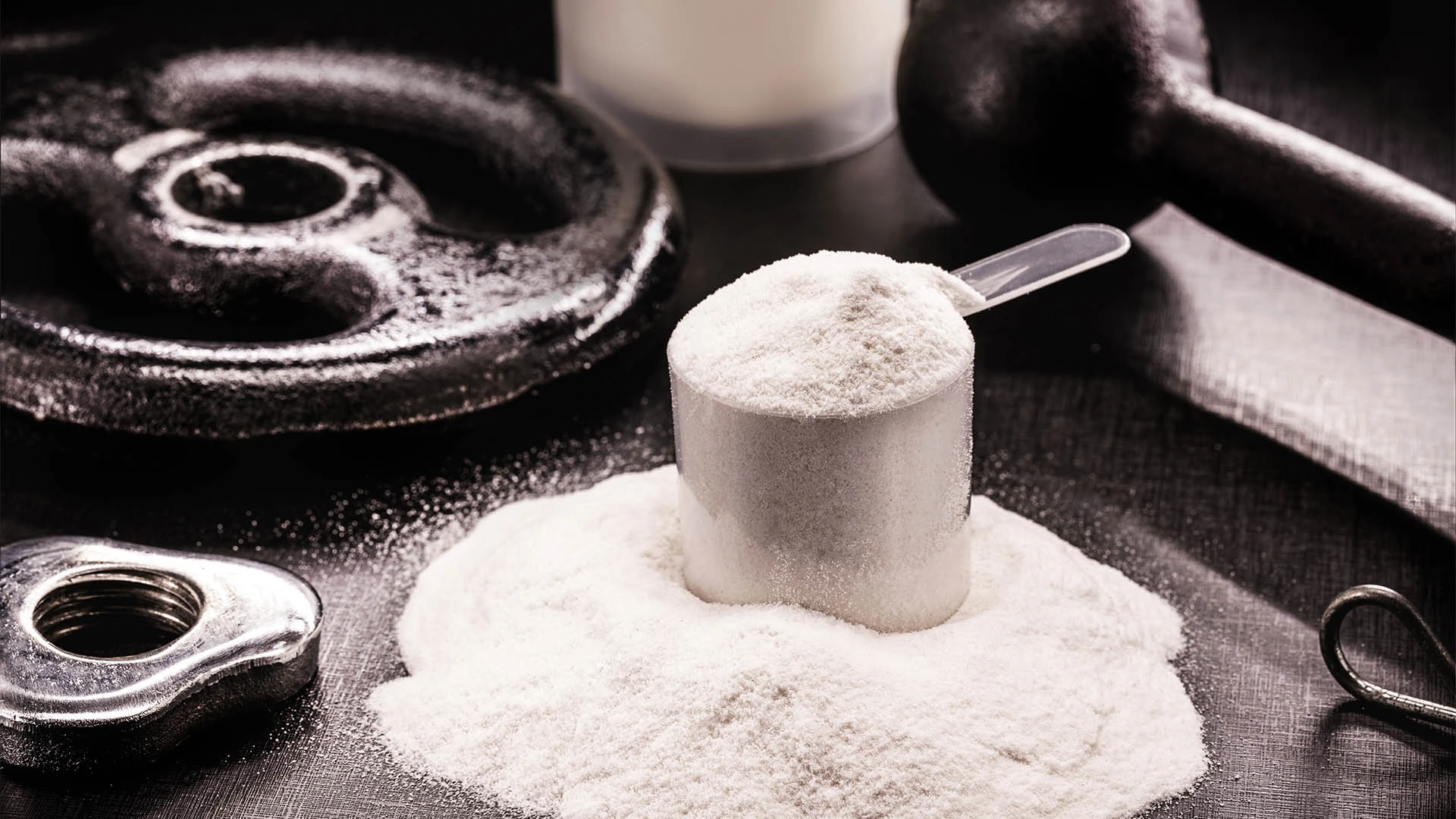
While whole foods should form your protein foundation, vegan protein powder offers convenient, concentrated nutrition for busy lifestyles. The best vegan protein powders combine multiple plant sources for complete amino acid profiles while remaining easily digestible. Our protein offerings address different lifestyle needs. DAILY Protein provides 20 grams for everyday nutrition, INTENSE Protein delivers 30 grams for active individuals, and Unflavoured Protein offers 26 grams that seamlessly integrates into cooking and baking.
Pea protein isolate offers excellent digestibility and neutral flavor. Hemp protein provides omega fatty acids alongside protein. Blended formulas combine multiple sources for optimal amino acid profiles and enhanced taste.
Use protein powder strategically rather than as a meal replacement. Post-workout smoothies, protein-enriched pancakes, or stress-busting evening shakes can boost daily intake without overwhelming your digestive system.
Vegan amino acids require strategic attention to ensure complete nutrition. Nine essential amino acids cannot be produced by your body and must come from food sources. Plant proteins contain all essential amino acids, though concentrations vary between sources. Lysine often appears as the limiting amino acid in plant-based diets. Legumes, quinoa, and hemp seeds provide excellent lysine sources. Methionine, found in nuts and seeds, complements lysine-rich foods perfectly.
Focus on leucine for muscle protein synthesis—found abundantly in lentils, chickpeas, and hemp seeds. Tryptophan supports serotonin production and appears in pumpkin seeds, sesame seeds, and soy products.
Pair iron-rich plant proteins with vitamin C sources to optimize absorption. Combine legumes with bell peppers, tomatoes, or citrus fruits. Soaking and sprouting legumes and grains improves digestibility and nutrient availability.
Hemp seeds lead with 30g per 100g, followed by seitan (25g), tempeh (19g), and lentils (9g). Combining multiple sources throughout the day ensures optimal intake.
Combine whole foods with strategic supplementation. Three protein-rich meals (25-30g each) plus snacks and one protein shake easily reaches 100g daily.
Whole foods can meet protein needs, but powder offers convenience and concentration. It's particularly useful for athletes, busy professionals, or those with higher protein requirements.
Absolutely. Plant proteins provide amino acids necessary for neurotransmitter production, supporting mood stability and stress resilience. Consistent protein intake helps maintain steady blood sugar levels, reducing stress-induced cravings.
Complete proteins contain all nine essential amino acids in adequate proportions. Quinoa, soy products, hemp seeds, and chia seeds qualify as complete proteins. However, combining different plant sources throughout the day achieves the same result.
Mastering protein for vegan diet success requires strategy, not struggle. Focus on variety, timing, and quality over obsessive gram counting. The connection between plant proteins and stress management adds another compelling reason to prioritize adequate intake. Remember that your protein needs are individual. Experiment with different sources, combinations, and timing to find what works best for your lifestyle and goals. Whether you're reaching for whole foods or incorporating our plant-powered protein solutions, consistency beats perfection every time.


Someone sent you
Powered by ReferRush