


Sleep vs Supplements For Recovery: A Comprehensive Tutorial


Get personalised recommendations with our assessment.
Personalised Health Diagnosis (PHD)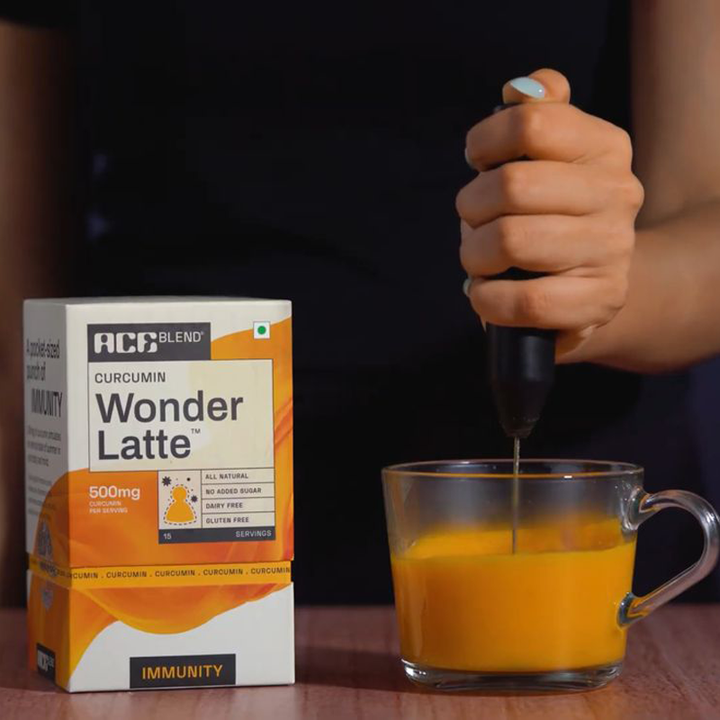
Recovery isn't just about what you do after a workout—it's about creating the foundation for your body to rebuild stronger. While the supplement industry promises quick fixes with powders and pills, the most powerful recovery tool might already be in your bedroom. Sleep vs supplements for recovery has become a heated debate among athletes, fitness enthusiasts, and health professionals. The truth is, your body's natural recovery mechanisms are incredibly sophisticated, but they require the right conditions to function optimally. Understanding how sleep quality for recovery compares to synthetic alternatives can revolutionize your approach to performance and well-being. This comprehensive guide will explore the science behind both approaches, helping you make informed decisions about your recovery strategy.
Sleep serves as your body's primary recovery mechanism, orchestrating a complex symphony of physiological processes that repair, restore, and strengthen your system. During deep sleep stages, your body releases growth hormone at levels up to 10 times higher than during waking hours, directly supporting muscle protein synthesis and tissue repair. The restorative sleep benefits extend far beyond physical recovery, encompassing cognitive restoration, immune system strengthening, and metabolic regulation.
Research consistently shows that athletes who maintain consistent sleep schedules experience significantly faster recovery times compared to those with irregular sleep patterns. The glymphatic system reveals how sleep literally cleanses your brain of metabolic waste products that accumulate during waking hours.
The majority of growth hormone secretion occurs during the first few hours of deep sleep, specifically during slow-wave sleep phases. This natural hormone surge supports muscle recovery, bone density maintenance, and fat metabolism without any external supplementation.
Sleep provides the optimal environment for muscle protein synthesis, with rates increasing significantly during quality sleep periods. This natural process outperforms many synthetic recovery aids in terms of efficiency and safety.
Sleep deprivation effects on recovery create a cascade of physiological disruptions that can undermine even the most sophisticated supplement regimens. When you consistently get less than seven hours of sleep, your body's ability to recover from physical stress decreases dramatically, regardless of what supplements you consume. Cortisol levels remain elevated, inflammation markers increase, and your immune system becomes compromised.
Studies demonstrate that athletes experiencing chronic sleep debt show dramatically slower reaction times and decreased accuracy in performance tasks. The impact extends beyond immediate performance, affecting long-term adaptation to training stimuli and increasing injury risk substantially.
Insufficient sleep disrupts the delicate balance of anabolic and catabolic hormones. Testosterone levels can drop significantly after just one week of reduced sleep, while cortisol remains chronically elevated, creating an environment hostile to recovery.
Sleep-deprived individuals show decreased natural killer cell activity and reduced antibody production, making them more susceptible to illness and slower to recover from both training stress and minor injuries.
Supplements for muscle recovery work through various mechanisms, from reducing inflammation to supporting energy production at the cellular level. Popular options include protein powders, creatine, branched-chain amino acids, and anti-inflammatory compounds like curcumin or omega-3 fatty acids. While these can provide targeted support, they function as additions to, not replacements for, fundamental recovery processes.
The supplement industry generates massive revenue annually, yet research consistently shows that basic sleep hygiene often outperforms expensive supplement stacks. At Ace Blend, we recognize that our products work best when combined with solid sleep foundations rather than attempting to compensate for poor sleep habits.
These supplements can support muscle protein synthesis, particularly when dietary protein intake is insufficient. However, they cannot replicate the comprehensive hormonal environment that quality sleep provides for recovery.
Supplements like curcumin, tart cherry extract, and omega-3s can help manage exercise-induced inflammation, but sleep naturally regulates inflammatory markers more effectively than isolated compounds.
Sleep quality for recovery operates on a systemic level that no single supplement can replicate. While supplements target specific pathways or provide isolated nutrients, sleep coordinates multiple recovery systems simultaneously. The autonomic nervous system shifts into parasympathetic dominance, heart rate variability improves, and cellular repair processes accelerate across all organ systems.
Research consistently finds that individuals with optimized sleep patterns show recovery markers equivalent to those using comprehensive supplement protocols, but with significantly better long-term health outcomes and lower financial costs.
Sleep addresses recovery holistically, supporting cardiovascular health, cognitive function, hormonal balance, and immune system strength in ways that isolated supplements cannot match.
Optimizing sleep costs virtually nothing compared to monthly supplement expenses, which can range significantly for comprehensive recovery stacks. The return on investment for sleep optimization far exceeds supplement protocols.
Optimizing sleep for performance requires a systematic approach that addresses both sleep quantity and quality. The foundation starts with consistent sleep-wake times, even on weekends, which helps regulate your circadian rhythm and improve sleep efficiency. Creating an environment conducive to deep sleep involves controlling temperature, minimizing light exposure, and reducing noise disruptions.
Elite athletes typically follow strict sleep hygiene for athletes protocols that include pre-sleep routines, strategic light exposure, and careful timing of meals and caffeine consumption. These natural recovery methods often produce better results than expensive supplement regimens.
Your bedroom should be a sanctuary designed specifically for recovery. Blackout curtains, white noise machines, and temperature control create the ideal conditions for restorative sleep that supplements cannot provide.
Consistent light exposure patterns, meal timing, and sleep schedules help optimize your body's natural recovery cycles. This biological programming is more powerful than any external supplement.
While sleep remains the cornerstone of recovery, certain supplements can enhance sleep quality and support the natural recovery processes that occur during rest. Magnesium, for instance, supports muscle relaxation and nervous system function, potentially improving sleep depth. Our Max Magnesium uses liposomal technology for superior absorption, making it India's first truly optimized magnesium supplement.
The key is using supplements to support sleep rather than replace it. At Ace Blend, our approach focuses on products that enhance your body's natural recovery mechanisms rather than attempting to bypass them entirely.
Certain supplements like glycine, L-theanine, and magnesium can improve sleep quality, creating a synergistic effect that enhances natural recovery processes beyond what either sleep or supplements could achieve alone.
Strategic supplement timing around sleep cycles can amplify recovery benefits. Taking protein before bed, for example, can support overnight muscle protein synthesis when combined with quality sleep.
Holistic recovery strategies recognize that optimal recovery comes from integrating multiple approaches rather than relying on a single solution. This comprehensive method combines prioritized sleep optimization with targeted supplementation, stress management techniques, and lifestyle modifications. The most successful athletes and fitness enthusiasts use supplements as tools to enhance their sleep quality and recovery processes, not replace them.
Research from elite sports organizations emphasizes that top-performing athletes consistently prioritize sleep quality over supplement quantity. However, they also strategically use specific nutrients to support their enhanced sleep and recovery protocols.
Successful recovery protocols layer sleep optimization, targeted nutrition, sleep and stress management, and selective supplementation to create synergistic effects that exceed the sum of individual components.
Individual responses to both sleep optimization and supplementation vary significantly. Tracking personal recovery markers helps determine the most effective combination for each person's unique physiology and lifestyle demands.
Alternatives to recovery supplements focus on optimizing your body's natural healing mechanisms through evidence-based lifestyle interventions. These include strategic hydration protocols, anti-inflammatory nutrition, active recovery techniques, and environmental modifications. Many of these approaches provide superior long-term benefits compared to supplement dependence.
Cold therapy, heat therapy, massage, and proper nutrition timing can significantly enhance recovery without the ongoing costs and potential side effects associated with supplement regimens. These natural recovery methods work synergistically with quality sleep to maximize your body's inherent recovery capabilities.
Whole food nutrition provides comprehensive recovery support through naturally occurring compounds, fiber, and nutrient synergies that isolated supplements cannot replicate effectively.
Techniques like contrast showers, gentle movement, and soft tissue work support recovery through improved circulation and nervous system regulation, complementing the benefits of quality sleep.
No supplement can replace the comprehensive recovery benefits of quality sleep. While certain supplements may support specific aspects of recovery, sleep coordinates multiple physiological systems simultaneously in ways that no combination of supplements can replicate. Supplements work best when used to enhance, not replace, adequate sleep.
Most adults require 7-9 hours of quality sleep for optimal recovery, with athletes often needing closer to 9-10 hours. The key is consistency in both timing and duration, as irregular sleep patterns can impair recovery even when total sleep time is adequate.
Magnesium, glycine, L-theanine, and melatonin have research support for improving sleep quality. However, these should be used to enhance good sleep hygiene practices, not compensate for poor sleep habits or environments.
Many people notice improved energy and mood within 3-7 days of consistent sleep optimization. Physical recovery improvements typically become apparent within 2-3 weeks, while long-term adaptations continue to develop over months of consistent quality sleep.
The debate between sleep vs supplements for recovery reveals a clear winner: sleep provides the foundation that makes all other recovery interventions more effective. While supplements can play a supporting role, they cannot replace the comprehensive, systemic recovery that occurs during quality sleep. The most successful approach combines optimized sleep habits with strategic, targeted supplementation rather than relying heavily on one or the other.
Investing in sleep quality delivers better long-term results, costs significantly less than comprehensive supplement regimens, and provides health benefits that extend far beyond recovery. At Ace Blend, we believe our products work best when they support your body's natural recovery processes rather than attempting to replace them. Prioritize your sleep first, then consider how targeted supplementation might enhance your already solid recovery foundation.


Someone sent you
Powered by ReferRush