


Isolate vs Concentrate: Your Whey Protein Checklist

Get personalised recommendations with our assessment.
Personalised Health Diagnosis (PHD)
Choosing between whey protein isolate and concentrate can feel overwhelming with countless options flooding the market. Both protein supplements offer unique benefits, but understanding their differences is crucial for maximizing your fitness goals. Whether you're focused on muscle recovery, post workout protein needs, or simply want the best protein powder for your lifestyle, this comprehensive checklist will guide you through every consideration. From processing methods to digestibility factors, we'll break down what makes each protein source distinct and help you determine which aligns with your specific requirements and budget.
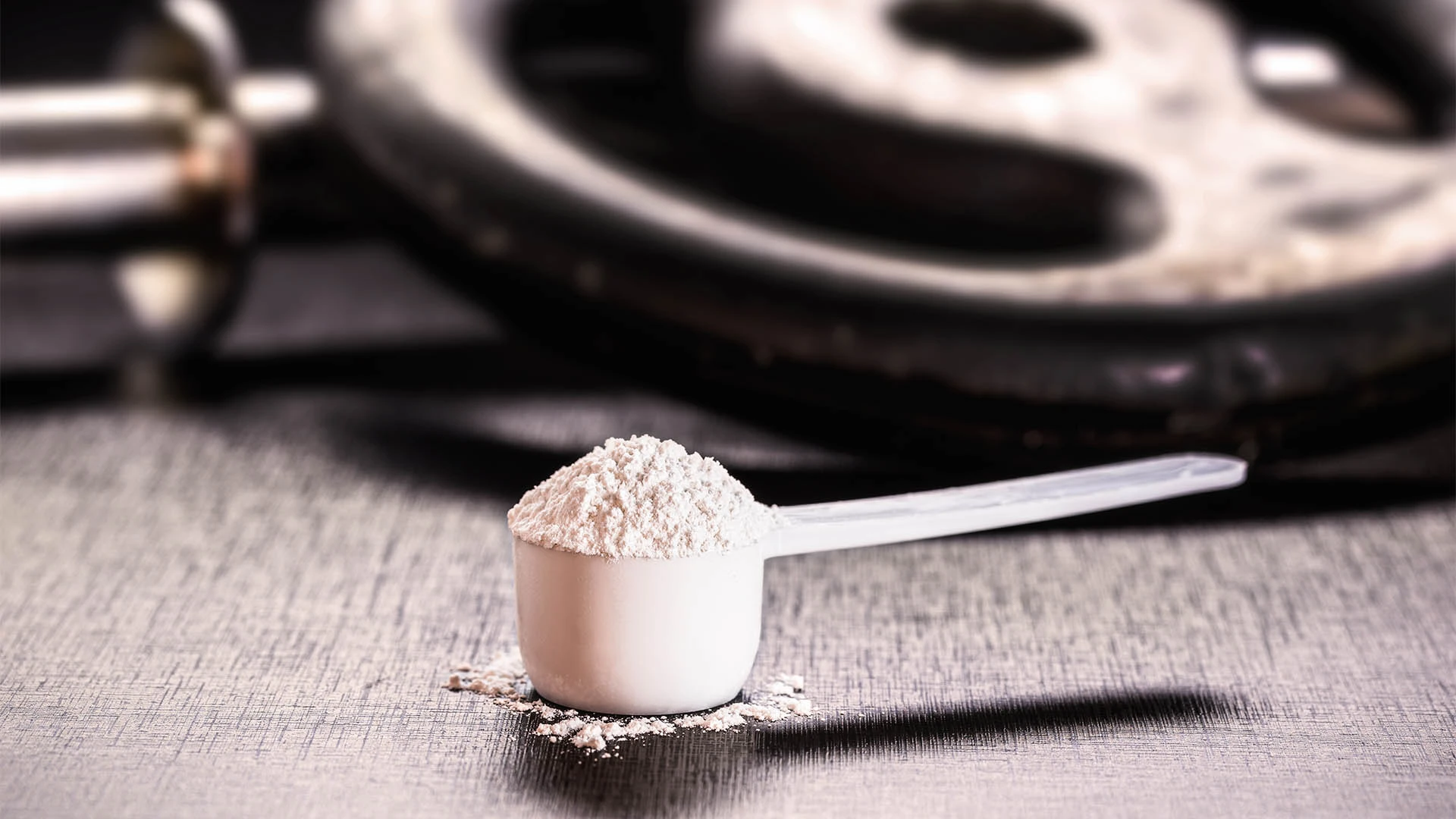
Whey protein stands as one of the most popular and effective protein supplements available today. Derived from milk during the cheese-making process, this complete protein contains all nine essential amino acids your body needs for optimal muscle recovery and growth. The protein powder market offers various forms, but whey remains the gold standard for athletes and fitness enthusiasts.
Whey protein boasts the highest biological value among all protein sources, meaning your body can utilize it more efficiently than other types of protein. Its rapid absorption rate makes it ideal as a post workout protein, delivering amino acids to your muscles when they need it most.
The protein powder market primarily features two forms of whey: concentrate and isolate. Both undergo different processing methods that significantly impact their nutritional profiles, digestibility, and price points.
Protein concentrate represents the less processed form of whey protein, typically containing 70-80% protein by weight. This processing method retains more of the original nutrients found in whey, including beneficial compounds like immunoglobulins and lactoferrin. These additional nutrients contribute to immune system support and overall health benefits.
Concentrate contains higher amounts of lactose, fats, and carbohydrates compared to isolate. While this means slightly fewer grams of protein per serving, it also provides additional calories that some athletes find beneficial for their training goals.
The manufacturing process for concentrate involves basic filtration techniques that remove water and some non-protein elements. This gentler processing preserves more of whey's natural bioactive compounds while keeping production costs lower.
Concentrate typically costs less than isolate due to its simpler processing requirements. This makes it an attractive option for budget-conscious consumers who still want quality protein supplements without premium pricing.
Protein isolate undergoes additional processing steps to achieve 90-95% protein content by weight. This extensive filtration removes most lactose, fats, and carbohydrates, creating a purer protein powder with distinct advantages for specific users. The advanced processing makes isolate ideal for those seeking maximum protein density per serving.
Isolate production involves microfiltration, ion exchange, or cross-flow microfiltration methods. These sophisticated techniques strip away non-protein elements while preserving the protein's amino acid profile and bioavailability.
With its superior protein concentration, isolate delivers more protein per gram than concentrate. This efficiency appeals to athletes who want maximum protein intake without additional calories from fats and carbohydrates.
The extensive processing removes virtually all lactose, making isolate suitable for individuals with lactose intolerance. This digestive advantage allows more people to enjoy the protein benefits without gastrointestinal discomfort.
Making the right choice between isolate vs concentrate requires evaluating multiple factors that impact your fitness journey. This comprehensive checklist covers every aspect you need to consider before making your protein powder investment. Use these criteria to systematically compare your options and make an informed decision.
Compare the actual protein grams per serving rather than just percentages. Calculate cost per gram of protein to determine true value, and consider how protein density affects your daily macro targets.
Assess your lactose tolerance levels and any previous experiences with dairy products. Consider absorption speed requirements based on your workout timing and meal planning preferences.
Evaluate cost per serving alongside protein quality and additional nutrients. Factor in long-term usage costs and whether premium pricing aligns with your specific fitness goals and dietary requirements.
Both protein sources excel at supporting muscle recovery, but their different compositions can influence recovery speed and effectiveness. Understanding these nuances helps optimize your post-workout nutrition strategy for maximum gains. The choice between isolate and concentrate can significantly impact your training results and recovery timeline.
Isolate's purer composition allows for slightly faster amino acid absorption, potentially benefiting immediate post workout protein needs. Concentrate's additional nutrients may provide sustained amino acid release over a longer period.
High-intensity athletes often prefer isolate's rapid absorption and minimal digestive load. Endurance athletes might benefit from concentrate's additional calories and sustained energy release during longer training sessions.
Your individual dietary needs and restrictions play a crucial role in determining the most suitable protein supplement. Consider these factors to ensure your choice aligns with your health requirements and lifestyle preferences. Different protein sources accommodate various dietary restrictions and health conditions.
Individuals with lactose sensitivity should prioritize isolate or seek concentrate products with added lactase enzymes. Test small amounts initially to gauge your body's response before committing to larger quantities.
Those focused on lean muscle gains without excess calories typically benefit from isolate's minimal fat and carbohydrate content. Bulking phases might accommodate concentrate's additional calories as part of a higher-calorie nutrition plan.
Not all protein supplements meet the same quality standards, regardless of whether they're isolate or concentrate. Understanding quality markers helps ensure you're investing in effective, safe protein sources that deliver promised results. Quality control measures separate premium products from inferior alternatives.
Look for products that undergo independent testing for purity, potency, and contaminants. Reputable brands like Ace Blend prioritize transparency by providing detailed testing results and quality certifications.
Seek products manufactured in certified facilities following Good Manufacturing Practices (GMP). These standards ensure consistent quality, proper handling, and contamination prevention throughout the production process.
Your optimal choice depends on balancing multiple factors including budget, dietary restrictions, training goals, and personal preferences. Use this decision framework to weigh each consideration against your specific circumstances and priorities. The right protein supplement should align with both your immediate needs and long-term fitness objectives.
Rank your priorities from most to least important: protein content, digestibility, cost, taste, or additional nutrients. This ranking system helps clarify which product features matter most for your individual situation.
Consider starting with smaller quantities to test how your body responds to each type. Monitor digestive comfort, taste satisfaction, and perceived recovery benefits before committing to larger purchases.
Isolate can work for bulking, especially if you want to control calories precisely while maximizing protein intake. However, concentrate might be more cost-effective for bulking phases where additional calories from fats and carbohydrates aren't a concern.
No, concentrate and isolate differ significantly in protein content, processing methods, and nutritional profiles. Isolate contains 90-95% protein with minimal lactose and fats, while concentrate contains 70-80% protein with higher amounts of lactose, fats, and carbohydrates.
Your choice depends on your specific goals, budget, and dietary restrictions. Choose isolate if you have lactose intolerance, want maximum protein per serving, or prefer faster absorption. Choose concentrate if you're budget-conscious, don't mind additional calories, or want beneficial bioactive compounds.
Neither is universally better—it depends on your individual needs. Isolate offers higher protein purity and faster absorption, while concentrate provides better value and additional nutrients. Consider your goals, budget, and digestive tolerance when making this decision.
The choice between isolate vs concentrate ultimately comes down to your individual priorities and circumstances. Isolate excels when you need maximum protein purity, have lactose sensitivity, or want rapid absorption for post workout protein needs. Concentrate offers excellent value with additional beneficial compounds, making it ideal for budget-conscious users who can tolerate lactose. Both protein supplements effectively support muscle recovery and growth when used consistently as part of a balanced nutrition plan. Remember that the best protein powder is the one you'll actually use regularly, so consider taste, mixability, and digestibility alongside nutritional factors. Whether you choose our isolate or concentrate options, consistency in your protein intake matters more than minor differences between these two excellent protein sources.


Someone sent you
Powered by ReferRush