


9 Natural Sleep Remedies for Insomnia and Deep Sleep

Get personalised recommendations with our assessment.
Personalised Health Diagnosis (PHD)
Sleep troubles affect millions worldwide, yet many reach for synthetic solutions when nature offers powerful alternatives. The quest for quality rest doesn't require a pharmacy visit—it demands understanding how your body naturally prepares for sleep and which plant-powered remedies can support this process. From ancient herbal wisdom to modern scientific discoveries, natural sleep aids offer a gentler path to the deep, restorative sleep your body craves.
Sleep disorders aren't just about feeling tired—they're complex disruptions of your body's natural rhythms. Insomnia involves difficulty falling asleep, staying asleep, or waking too early, while poor sleep quality means you're not cycling through the essential stages of rest your brain needs.
Deep sleep occurs during the non-REM stages, particularly stage 3, when your body repairs tissues, consolidates memories, and releases growth hormones. When stress, anxiety, or poor sleep hygiene disrupts these cycles, you miss out on this crucial restoration time, leading to sleep deprivation that affects everything from immune function to cognitive performance.
These science-backed solutions work with your body's natural processes rather than forcing artificial drowsiness. Each remedy targets different aspects of sleep regulation, from calming an overactive mind to supporting your circadian rhythm.
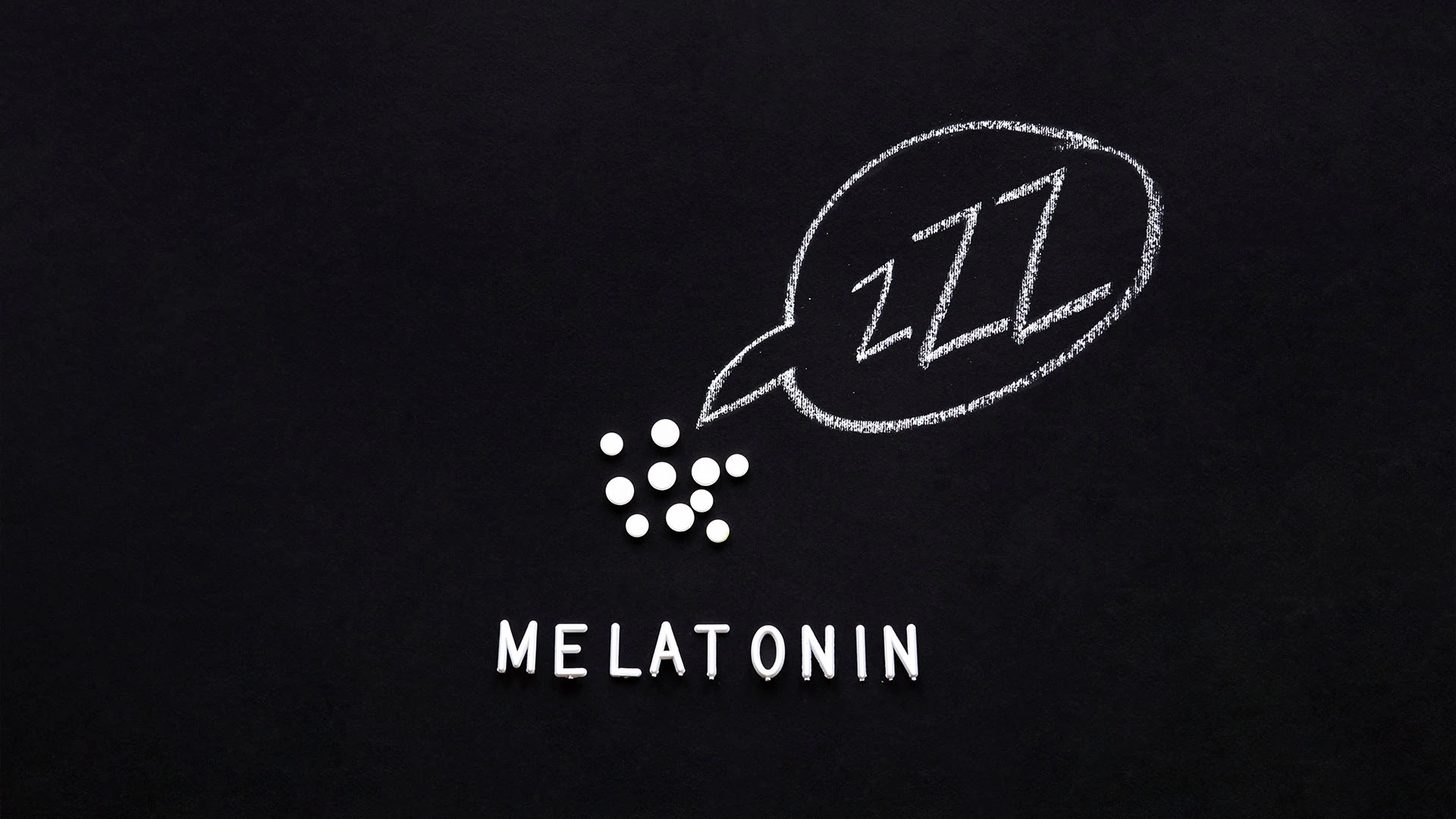
Your pineal gland naturally produces melatonin when darkness falls, signaling bedtime to your brain. Supplemental melatonin for sleep works best at low doses—0.5 to 3mg taken two hours before your desired bedtime. Higher doses often backfire, causing grogginess or disrupted sleep cycles.
This essential mineral acts as nature's relaxation agent, calming both nervous system and muscles. **Magnesium glycinate** proves most effective for sleep, as it's easily absorbed and less likely to cause digestive upset. Take 200-400mg about an hour before bed for optimal results.
Clinical studies show valerian root can reduce the time it takes to fall asleep by up to 15 minutes. This herb works by increasing GABA levels in your brain, promoting natural calm. Take 300-600mg of standardized extract 30 minutes before bedtime.
The compound **apigenin** in chamomile binds to brain receptors that promote sleepiness. While chamomile tea provides gentle effects, concentrated supplements offer more potent benefits. Aim for 400-1600mg of chamomile extract daily.
Found naturally in tea leaves, L-theanine reduces cortisol levels while promoting alpha brain waves associated with relaxation. Unlike sedatives, it calms without causing drowsiness during the day. Take 100-200mg 30-60 minutes before bed for restless sleep relief.
Research shows passionflower can improve sleep quality by enhancing GABA activity in the brain. Studies indicate 90mg of passionflower extract taken before bed can significantly reduce anxiety and improve sleep quality within one week.
Inhaling lavender essential oil activates your parasympathetic nervous system, naturally lowering heart rate and blood pressure. Use 2-3 drops on your pillow or diffuse for 30 minutes before bedtime. Quality matters—look for pure, therapeutic-grade oils.
Montmorency tart cherries contain natural melatonin and compounds that inhibit enzymes that break down tryptophan. Drink 8 ounces of pure tart cherry juice twice daily—once in the morning and once 1-2 hours before bed.
This amino acid helps lower your core body temperature, signaling sleep readiness to your brain. Studies show 3g of glycine taken before bed can improve sleep quality and reduce daytime fatigue. It's particularly effective for those who struggle with restless sleep.
Natural remedies work best when combined with proper sleep hygiene practices. Your sleep environment and habits create the foundation for effective rest, making any supplement more powerful.
Keep your bedroom between 60-67°F, as cooler temperatures support your body's natural temperature drop during sleep. Block out light sources and establish a consistent sleep schedule, even on weekends. These basics amplify the effects of any natural sleep aid you choose.
Racing thoughts and physical tension often fuel insomnia, making stress relief for sleep essential. Progressive muscle relaxation involves tensing and releasing muscle groups systematically, teaching your body to recognize and release tension.
The 4-7-8 breathing technique—inhaling for 4 counts, holding for 7, exhaling for 8—activates your parasympathetic nervous system. Practice this for 4 cycles when you first lie down, helping transition from day stress to nighttime calm.
Cognitive behavioral therapy insomnia techniques address the thoughts and behaviors that perpetuate sleep problems. Sleep restriction therapy involves limiting time in bed to match actual sleep time, rebuilding your sleep drive naturally.
Stimulus control means using your bed only for sleep and intimacy, training your brain to associate your bedroom with rest rather than worry. If you can't fall asleep within 15-20 minutes, leave the room and return only when sleepy.
Magnesium combined with melatonin often provides the most comprehensive support, addressing both physical tension and circadian rhythm disruption. Individual responses vary, so start with one remedy and add others gradually.
When anxiety strikes at bedtime, identify 3 things you can see, 3 sounds you can hear, and move 3 parts of your body. This grounding technique redirects your mind from racing thoughts to present-moment awareness.
Focus on sleep continuity rather than just falling asleep. Magnesium and glycine specifically support deep sleep stages, while maintaining consistent sleep timing helps your body cycle through all sleep phases properly.
Most natural sleep aids are safer than prescription medications for extended use. However, cycle supplements periodically and address underlying causes like stress or poor sleep hygiene for lasting improvement.
Natural sleep remedies offer a gentler, sustainable approach to conquering insomnia and achieving deep sleep. The key lies in understanding your specific sleep challenges and choosing remedies that address root causes rather than just symptoms.
Start with one or two remedies, give them 2-3 weeks to show effects, and combine them with solid sleep hygiene practices. Remember, quality sleep isn't a luxury—it's essential for optimal health, and these natural solutions can help you reclaim the restorative rest you deserve.


Someone sent you
Powered by ReferRush