


Your Guide to the Best Protein For Women: Powders & Sources

Get personalised recommendations with our assessment.
Personalised Health Diagnosis (PHD)
Finding the best protein for women isn't just about picking any powder off the shelf—it's about understanding your unique nutritional needs, fitness goals, and lifestyle preferences. Whether you're a busy professional squeezing in morning workouts, a dedicated athlete pushing performance boundaries, or someone simply looking to maintain healthy muscle mass, the right protein strategy can make all the difference. Women have distinct protein requirements that differ from men, influenced by factors like hormonal fluctuations, metabolism, and body composition goals. This comprehensive guide breaks down everything you need to know about protein powders, whole food sources, timing, and how to choose what works best for your individual needs.
Women's protein needs extend far beyond basic muscle building, encompassing hormonal balance, bone health, and metabolic function. Research from the International Society of Sports Nutrition shows that women require approximately 1.2-2.0 grams of protein per kilogram of body weight, with active women needing the higher end of this range. Unlike men, women experience monthly hormonal fluctuations that affect protein synthesis and recovery rates.
Estrogen and progesterone levels throughout the menstrual cycle directly impact how efficiently your body uses protein for muscle repair and growth. During the luteal phase, protein requirements may increase by up to 12% compared to the follicular phase.
Women typically have higher fat oxidation rates and lower muscle protein synthesis rates than men. This means strategic protein timing becomes even more crucial for maximizing the benefits of your intake.
Not all protein powders for women are created equal. The best options consider digestibility, amino acid profiles, added nutrients, and how they fit into your daily routine. Quality protein powders should provide complete amino acid profiles while being gentle on your digestive system and free from unnecessary fillers or artificial ingredients.
Complete proteins contain all nine essential amino acids your body cannot produce on its own. Most animal-based proteins are complete, while plant proteins often need to be combined to achieve completeness.
Look for proteins with high biological value and digestibility scores. Whey protein isolate typically offers the fastest absorption, while casein provides sustained amino acid release over several hours.
Many quality protein powders include iron, calcium, folate, and B vitamins—nutrients that women often need in higher amounts. Some formulations also include probiotics to support digestive health.
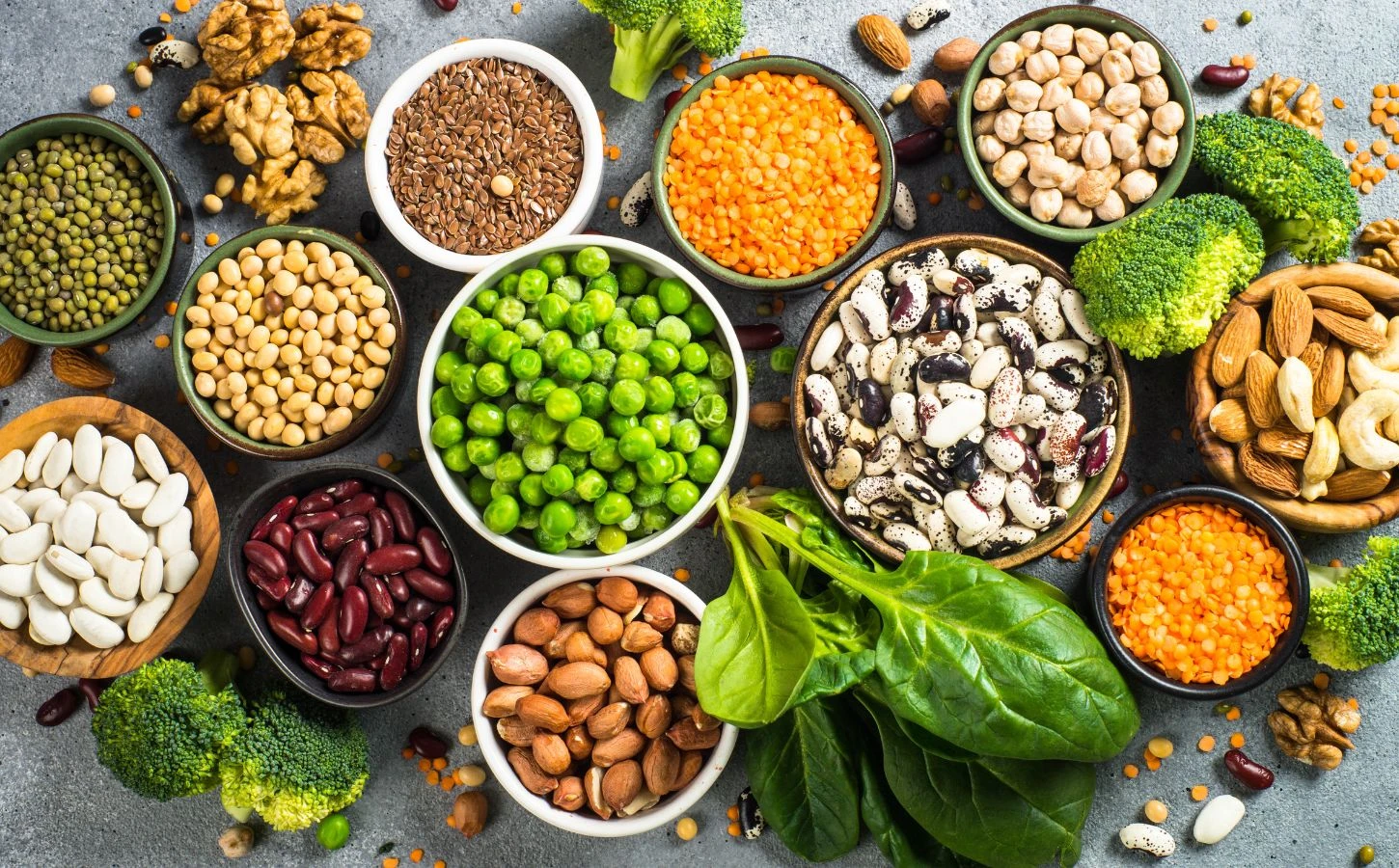
Plant based protein for women has gained significant popularity due to its sustainability, digestibility benefits, and additional phytonutrients. Plant proteins often come with fiber, antioxidants, and minerals that support overall health beyond just muscle building. The key is understanding how to combine different plant sources to create complete amino acid profiles.
Pea protein offers excellent digestibility and high leucine content for muscle synthesis. Hemp protein provides omega-3 fatty acids and fiber, while rice protein is hypoallergenic and easily digestible.
Mixing complementary plant proteins like rice and pea, or hemp and pumpkin seed, ensures you get all essential amino acids. Many commercial blends already optimize these combinations for maximum effectiveness.
Whole food lean protein sources for women provide not just amino acids, but also essential vitamins, minerals, and other nutrients that powders cannot fully replicate. Building your diet around these nutrient-dense options creates a solid foundation that supplements can enhance rather than replace.
Chicken breast, fish, lean beef, and eggs provide complete amino acid profiles with high biological value. Fish like salmon and sardines add omega-3 fatty acids crucial for hormone production and inflammation control.
Lentils, quinoa, tofu, tempeh, and Greek yogurt offer protein along with fiber, probiotics, and phytonutrients. These foods support digestive health while contributing to your daily protein goals.
Hard-boiled eggs, Greek yogurt with nuts, hummus with vegetables, or cottage cheese with berries provide convenient protein between meals. These options help maintain steady amino acid levels throughout the day.
Protein intake for female athletes requires careful consideration of training intensity, sport type, and recovery needs. Female athletes often need 1.6-2.2 grams per kilogram of body weight, with endurance athletes typically requiring less than strength and power athletes. Timing becomes crucial for maximizing training adaptations and recovery.
Endurance athletes benefit from moderate protein intake focused on recovery, while strength athletes need higher amounts to support muscle protein synthesis. Team sport athletes fall somewhere between, requiring adequate protein for both power and endurance demands.
During intense training phases, protein needs increase to support adaptation and prevent overtraining. Recovery periods may require slightly less protein but should maintain adequate intake to preserve muscle mass.
The best protein supplements for women go beyond basic protein content to include targeted nutrients that support women's unique health needs. Quality supplements should be third-party tested, free from harmful additives, and formulated with women's physiology in mind. At Ace Blend, our premium plant proteins like DAILY Protein and INTENSE Protein are specifically designed to be gut-friendly with complete amino acid profiles.
Whey protein offers rapid absorption ideal for post-workout recovery. Casein provides sustained amino acid release perfect for nighttime use. Plant proteins offer additional nutrients and are suitable for various dietary restrictions.
Third-party testing, minimal ingredient lists, no artificial fillers, and appropriate amino acid profiles indicate quality supplements. Look for certifications from organizations like NSF or Informed Sport for athletic use.
Post workout protein for women timing can significantly impact recovery and muscle protein synthesis. The traditional "anabolic window" concept has evolved, but consuming protein within 2-3 hours post-exercise still provides optimal benefits. Women may benefit from slightly different timing strategies due to hormonal influences on protein metabolism.
Muscle protein synthesis remains elevated for up to 48 hours after resistance training in women. Consuming 20-25 grams of high-quality protein post-workout maximizes this response and supports recovery.
Adding carbohydrates to post-workout protein enhances glycogen replenishment and may improve protein utilization. A 3:1 or 4:1 carb-to-protein ratio works well for most women.
Protein for muscle gain in women requires understanding that women build muscle differently than men, often requiring patience and consistent nutrition strategies. Women typically need 1.6-2.2 grams of protein per kilogram of body weight when actively trying to build muscle, distributed throughout the day for optimal synthesis.
Lower testosterone levels mean women build muscle more slowly but can achieve significant strength and definition with proper nutrition and training. Adequate protein intake becomes even more critical for supporting this process.
Start with moderate protein intake and gradually increase based on training response and body composition goals. Monitor energy levels, recovery, and performance to find your optimal intake level.
Vegan protein powder for women has evolved significantly, with modern formulations rivaling animal-based options in taste, texture, and nutritional completeness. The best vegan proteins combine multiple plant sources to ensure complete amino acid profiles while providing additional nutrients like iron, B12, and omega-3s that vegans often need to supplement.
Pea and rice protein combinations provide excellent amino acid completeness. Hemp protein adds healthy fats and fiber, while pumpkin seed protein offers minerals like zinc and magnesium important for women's health.
Some vegan proteins can be gritty or chalky in texture. Look for micronized or specially processed options that blend smoothly and taste pleasant without excessive sweeteners or artificial flavors.
Protein for weight loss in women works through multiple mechanisms including increased satiety, higher thermic effect of food, and preservation of lean muscle mass during caloric restriction. Women aiming for weight loss should prioritize protein to maintain metabolic rate while creating the caloric deficit necessary for fat loss.
Protein increases satiety hormones and reduces hunger hormones, naturally leading to lower caloric intake. The thermic effect of protein also burns more calories during digestion compared to carbs or fats.
Spreading protein throughout the day maintains steady blood sugar and prevents muscle loss during weight loss. Include protein at each meal and snack to maximize these benefits.
Most women need 1.2-2.0 grams of protein per kilogram of body weight daily, with active women requiring the higher end. For a 140-pound woman, this translates to approximately 76-127 grams of protein per day.
Yes, daily protein shakes are safe for most women when used as part of a balanced diet. However, whole food sources should provide the majority of your protein intake, with supplements filling gaps as needed.
Women typically need slightly less total protein than men due to lower muscle mass, but may need more protein per pound of body weight. Women also process protein differently due to hormonal variations throughout their menstrual cycle.
Excessive protein intake may stress the kidneys and displace other important nutrients. Most women can safely consume up to 2.2 grams per kilogram without adverse effects when staying properly hydrated.
Post-workout within 2-3 hours is ideal, but any time that helps you meet your daily protein goals works. Some women benefit from protein before bed or first thing in the morning to maintain steady amino acid levels.
When properly combined to ensure complete amino acid profiles, plant proteins can be just as effective as animal proteins for muscle building and recovery. They often provide additional benefits like fiber and antioxidants.
Choosing the best protein for women involves understanding your individual needs, goals, and lifestyle preferences. Whether you opt for high-quality protein powders, whole food sources, or a combination of both, consistency and adequate intake matter more than perfect timing or expensive supplements. Focus on complete amino acid profiles, digestibility, and how different proteins make you feel. Remember that protein is just one piece of the nutrition puzzle—combine it with adequate carbohydrates, healthy fats, and overall balanced eating for optimal health and performance. Start with whole food sources as your foundation, then use quality supplements to fill any gaps and support your active lifestyle.


Someone sent you
Powered by ReferRush