


Understanding Maltodextrin: A Complete Guide

Get personalised recommendations with our assessment.
Personalised Health Diagnosis (PHD)
You've probably seen maltodextrin listed on countless food labels, from protein powders to packaged snacks. This seemingly innocent ingredient has sparked heated debates in nutrition circles, and for good reason. While food manufacturers love it for its versatility and shelf-stability, mounting research suggests that maltodextrin side effects might be more concerning than previously thought. Understanding what maltodextrin does to your body isn't just academic curiosity—it's essential knowledge for anyone serious about optimizing their health through clean nutrition.
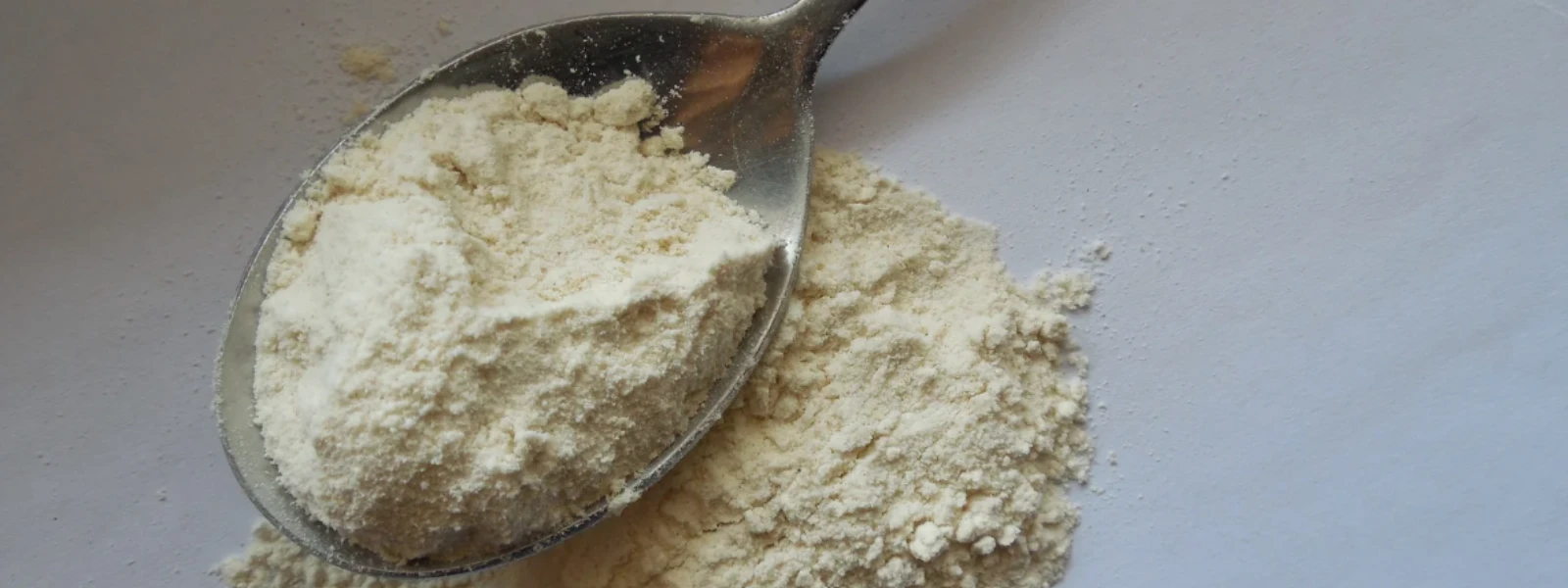
Maltodextrin is a highly processed carbohydrate derived from starch—typically corn, wheat, rice, or potato. Through a chemical process involving acids and enzymes, manufacturers break down these starches into a white, flavorless powder that dissolves easily in water. The result? A cheap, versatile ingredient that extends shelf life, improves texture, and acts as a filler in countless processed foods. Here's where it gets concerning: maltodextrin has a glycemic index between 95-136, meaning it spikes blood sugar faster than table sugar. Despite being technically a complex carbohydrate, your body treats it like pure glucose. Food companies add it to everything from sports drinks and protein powders to salad dressings and baby food, often without consumers realizing the potential health implications. The reason you should care about maltodextrin side effects goes beyond blood sugar spikes. Recent research reveals this ingredient can disrupt gut bacteria, trigger inflammatory responses, and contribute to metabolic dysfunction. For health-conscious individuals who've ditched obvious sugars but still consume processed foods, maltodextrin represents a hidden threat to their wellness goals.
The immediate maltodextrin side effects often catch people off guard because they seem unrelated to what appears to be a harmless ingredient. Understanding these reactions can help you identify whether maltodextrin might be sabotaging your health goals. Digestive distress tops the list of complaints. Many people experience gas, bloating, cramping, and irregular bowel movements after consuming maltodextrin-containing products. The severity varies based on individual sensitivity and the amount consumed, but even small quantities can trigger symptoms in sensitive individuals.
The most documented concern involves blood sugar management. Maltodextrin dangers become apparent when you realize this ingredient can spike glucose levels more dramatically than eating straight sugar. This rapid rise triggers insulin release, potentially leading to energy crashes, increased hunger, and over time, insulin resistance.
Some individuals experience allergic responses including skin irritation, hives, difficulty breathing, and severe cramping. These reactions are particularly common when maltodextrin is derived from wheat (for those with gluten sensitivities) or corn (for those with corn allergies).
Maltodextrin provides empty calories that can interfere with weight management goals. Its rapid absorption can promote fat storage, especially when consumed regularly or in large quantities through processed foods and supplements.
Perhaps the most alarming research surrounds maltodextrin and gut health. Your gut microbiome—the trillions of bacteria living in your digestive system—plays a crucial role in immunity, mood regulation, and overall health. Maltodextrin appears to disrupt this delicate ecosystem in several concerning ways. Studies show that maltodextrin suppresses the growth of beneficial bacteria like Bifidobacterium while promoting harmful strains. This imbalance, known as dysbiosis, can compromise your immune system and increase susceptibility to infections. Even more troubling, research indicates that maltodextrin enhances the ability of dangerous bacteria like Salmonella and E. coli to adhere to intestinal walls.
The connection between maltodextrin and inflammation extends beyond simple digestive upset. This ingredient can thin the protective mucus layer lining your intestines, potentially leading to increased intestinal permeability—commonly called "leaky gut." When this barrier becomes compromised, toxins and partially digested food particles can enter your bloodstream, triggering systemic inflammation.
Regular maltodextrin consumption may cause lasting changes to your gut bacteria composition. Some research suggests these alterations could contribute to inflammatory bowel diseases, autoimmune conditions, and metabolic disorders. The gut-brain connection means these changes might also affect mood and cognitive function.
Certain individuals face heightened risks from maltodextrin consumption. Understanding whether you fall into these categories can help you make informed decisions about avoiding this ingredient. People with diabetes or insulin resistance should be particularly cautious. The rapid blood sugar spikes caused by maltodextrin can make glucose management extremely challenging, potentially interfering with medication effectiveness and long-term health goals.
Those with celiac disease or gluten sensitivity need to scrutinize maltodextrin sources. While the manufacturing process typically removes gluten proteins, wheat-derived maltodextrin may still contain trace amounts that could trigger reactions in highly sensitive individuals. Maltodextrin sensitivity in this population often manifests as digestive symptoms, fatigue, and brain fog.
Individuals with irritable bowel syndrome (IBS), Crohn's disease, or other digestive conditions often experience worsened symptoms with maltodextrin consumption. The ingredient's ability to alter gut bacteria and increase inflammation can exacerbate existing digestive issues.
Maltodextrin intolerance may be more common than realized among people struggling with weight management or metabolic syndrome. The ingredient's impact on insulin sensitivity and fat storage can undermine even the most dedicated health efforts.
Recognizing maltodextrin in food requires detective work because manufacturers use it in surprising places. This ingredient lurks in products marketed as healthy, making it particularly insidious for health-conscious consumers. Protein powders frequently contain maltodextrin as a filler or flow agent. Sports drinks, energy bars, and workout supplements often include significant amounts to provide quick energy. However, maltodextrin also appears in seemingly innocent products like salad dressings, soup mixes, artificial sweeteners, and even some organic foods.
Maltodextrin must be listed by name on ingredient labels, but it may appear under alternative names like "modified food starch" or "corn syrup solids." Look for these terms, especially in the first few ingredients where concentration is highest.
Some of the most surprising sources include sugar-free products (where maltodextrin replaces sugar), seasoning blends, instant coffee, and baby food. Even products labeled "natural" or "organic" may contain maltodextrin, as it can be derived from organic sources.
Fortunately, numerous maltodextrin alternatives can provide similar functional benefits without the health risks. The key is understanding what role maltodextrin plays in specific products and choosing appropriate substitutes. For sweetening applications, natural options like stevia, monk fruit, or raw honey provide sweetness without the blood sugar chaos. These alternatives offer additional benefits—stevia contains antioxidants, monk fruit has anti-inflammatory properties, and raw honey provides enzymes and minerals.
When maltodextrin serves as a thickener or texture enhancer, consider arrowroot powder, tapioca starch, or xanthan gum. These alternatives provide similar functional properties with less impact on blood sugar and gut health.
For athletes seeking quick energy, cluster dextrin offers rapid absorption with less digestive distress. Alternatively, whole food options like dates, bananas, or sweet potatoes provide sustained energy along with beneficial nutrients and fiber.
Answer: No official safe daily limit exists for maltodextrin, but nutrition experts generally recommend minimizing intake, especially for those with blood sugar concerns. Even small amounts (5-10 grams) can cause blood sugar spikes in sensitive individuals.
Answer: While maltodextrin doesn't directly damage the liver, its rapid conversion to glucose can promote fat storage in the liver, potentially contributing to fatty liver disease over time, especially with regular consumption.
Answer: Some people experience skin reactions including hives, rashes, or eczema flare-ups after consuming maltodextrin, particularly if they have underlying food sensitivities or allergies to the source material (corn, wheat, etc.).
Answer: Yes, maltodextrin can hinder weight loss through multiple mechanisms: blood sugar spikes that increase hunger, empty calories that don't provide satiety, and potential promotion of fat storage through insulin response.
Answer: For athletes requiring immediate glucose during intense exercise, maltodextrin can provide rapid energy. However, for most people, the risks outweigh any potential benefits, and better alternatives exist.
Answer: Acute side effects like digestive upset usually resolve within 24-48 hours of elimination. However, gut microbiome disruption may take weeks or months to fully recover, depending on overall diet and health status.
Understanding maltodextrin health risks empowers you to make informed decisions about your nutrition. While this ingredient isn't immediately toxic, its potential to disrupt blood sugar, gut health, and metabolic function makes it worth avoiding, especially for health-conscious individuals. The question "is maltodextrin bad for you" doesn't have a simple yes or no answer—it depends on your individual health status, consumption frequency, and overall diet quality. However, given the abundance of safer alternatives and the mounting evidence of potential harm, most people benefit from minimizing or eliminating maltodextrin from their diets. Focus on whole, unprocessed foods whenever possible. When you do choose packaged products, read labels carefully and opt for brands that prioritize clean ingredients. Your gut bacteria, blood sugar stability, and long-term health will thank you for taking this proactive approach to nutrition.


Someone sent you
Powered by ReferRush