


The Ultimate Post-Workout Muscle Recovery Checklist

Get personalised recommendations with our assessment.
Personalised Health Diagnosis (PHD)
Your workout ends when you leave the gym, but your muscle growth begins in the hours that follow. Most fitness enthusiasts pour their energy into perfecting their training routines, tracking every rep and set, yet completely overlook the critical window where real transformation happens. Post-workout muscle recovery isn't just about feeling less sore tomorrow—it's the foundation of every fitness goal you're chasing.
Here's the reality: without proper recovery protocols, you're essentially spinning your wheels. Your muscles don't grow during the workout; they grow during recovery. The science is clear, yet the execution remains murky for most people. We're cutting through the noise with a systematic approach built on the 3 R's framework: Rehydrate, Refuel, and Rest.
Muscle repair after exercise follows a predictable biological timeline that most people completely misunderstand. When you challenge your muscles, you're creating controlled damage that triggers an intricate healing cascade. This isn't just about soreness—it's about adaptation, strength, and long-term performance gains.
The recovery process involves complex protein synthesis, inflammatory responses, and cellular regeneration. Understanding this timeline helps you optimize every phase instead of leaving recovery to chance.
Recovery happens in distinct phases, each with specific characteristics and optimal interventions. The inflammation phase kicks in immediately and lasts up to 72 hours, where your body sends repair signals and begins clearing damaged tissue. The proliferation phase spans 3-21 days, focusing on building new muscle fibers and strengthening connective tissue.
The remodeling phase extends from 21 days to 6 months, where your body fine-tunes the new tissue structure. Finally, functional adaptation occurs as your nervous system learns to efficiently use the newly built muscle.
Recovery timelines vary dramatically based on workout intensity, training experience, and individual factors. Light workouts typically require 24 hours for full recovery, while moderate intensity sessions need 48-72 hours for beginners. High-intensity training can demand 72+ hours, especially for compound movements targeting multiple muscle groups.
Age, nutrition status, sleep quality, and stress levels all influence these timelines. Advanced athletes often recover faster due to improved efficiency in repair mechanisms.
DOMS peaks between 24-72 hours post-exercise and represents normal muscle adaptation. This isn't just lactic acid buildup—it's microscopic muscle fiber damage triggering inflammatory responses. Understanding the difference between normal soreness and concerning pain prevents unnecessary worry and overtraining.
Soreness that persists beyond 72 hours or prevents normal movement patterns warrants attention and potentially extended rest periods.
Optimizing muscle recovery doesn't require expensive gadgets or complicated protocols. The most effective approach centers on three fundamental pillars that work synergistically. When you nail these basics consistently, you'll outperform people using fancy recovery tools while ignoring the fundamentals.
This framework addresses the primary physiological needs your body has immediately following exercise. Each component serves specific biological functions that directly impact recovery speed and quality.
Dehydration impairs every aspect of recovery, from nutrient transport to waste removal. The golden rule: replace 150% of fluid lost through sweat within 2-6 hours post-workout. For every pound lost during exercise, drink 16-24 ounces of fluid.
Electrolyte replacement becomes crucial for sessions lasting over 60 minutes or in hot conditions. Signs of proper hydration include pale yellow urine and normal energy levels within 2 hours post-workout.
Nutrition for muscle repair centers on strategic protein and carbohydrate timing. Consume 20-40 grams of complete protein within 2 hours post-workout to maximize muscle protein synthesis. Pair this with healthy carbohydrates to replenish glycogen stores and support the recovery process.
Practical combinations include Greek yogurt with berries, chocolate milk, or a balanced meal with lean protein and complex carbs. Our protein offerings provide complete amino acid profiles specifically designed for optimal recovery support.
Quality sleep drives 70% of growth hormone release, making it non-negotiable for serious recovery. Target 7-9 hours nightly, with consistent sleep and wake times. Create an environment conducive to deep sleep: cool temperature, minimal light, and electronic device restrictions 1 hour before bed.
Benefits of rest days extend beyond physical recovery to include nervous system restoration and motivation maintenance. Complete rest allows adaptation to occur without additional stress.
Active recovery techniques promote blood flow without adding training stress. This approach accelerates waste product removal while maintaining movement quality. The key lies in finding the sweet spot between beneficial movement and additional fatigue.
Research consistently shows that light activity outperforms complete rest for reducing muscle fatigue and soreness. The goal isn't to break a sweat—it's to gently stimulate circulation and maintain mobility.
Walking, swimming, and gentle yoga provide ideal active recovery options. Aim for 20-30 minutes at 50-60% of your maximum heart rate. This intensity promotes circulation without triggering additional inflammatory responses.
The movement should feel refreshing, not draining. If you're breathing heavily or sweating significantly, you've crossed into training territory rather than recovery.
Stretching for post-workout recovery focuses on static holds rather than dynamic movements. Target major muscle groups used during your session with 15-30 second holds. This approach helps maintain range of motion and reduces muscle tension.
Timing matters: perform stretching 30-60 minutes post-workout when muscles are warm but not immediately fatigued. Avoid aggressive stretching that causes pain or discomfort.
Daily mobility routines address movement restrictions before they become problematic. Focus on joint mobility exercises that target areas of tightness or previous injury. Spend 10-15 minutes daily on movement quality rather than waiting for problems to develop.
Assessment tools like overhead reaches, deep squats, and shoulder mobility tests help identify areas needing attention.
Recovery tools amplify the benefits of proper nutrition, hydration, and rest—they don't replace them. The most effective techniques work by improving circulation, reducing muscle tension, or modulating inflammatory responses. Smart tool selection based on specific needs yields better results than random application.
Natural approaches often prove more sustainable and cost-effective than high-tech alternatives. The key lies in consistent application rather than sporadic intensive sessions.
Foam rolling for 10-15 minutes targets trigger points and fascial restrictions. Apply moderate pressure—discomfort is normal, but sharp pain indicates excessive force. Focus on major muscle groups used during training, spending 30-60 seconds per area.
Benefits include improved blood flow, reduced muscle tension, and enhanced range of motion. Consistency matters more than intensity for long-term results.
Cold therapy immediately post-workout reduces inflammation and numbs pain receptors. Ice baths (50-60°F for 10-15 minutes) or cold showers provide accessible options. Heat therapy works better for chronic stiffness, promoting blood flow and muscle relaxation.
Contrast therapy alternates hot and cold applications, potentially offering combined benefits. Start with 3-4 cycles of 3 minutes hot, 1 minute cold.
Compression garments improve venous return and reduce swelling when worn 2-4 hours post-workout. Professional massage provides targeted treatment for specific issues, while self-massage tools offer daily maintenance options.
Focus on consistency rather than intensity for self-massage techniques. Regular light pressure often proves more beneficial than occasional deep tissue work.
Supplements for muscle recovery work best when they address specific nutritional gaps or timing challenges. The supplement industry loves to overcomplicate recovery, but research supports relatively few interventions. Focus on proven options with clear mechanisms of action rather than chasing the latest trends.
Quality matters significantly more than quantity. Third-party tested products ensure you're getting what the label promises without harmful contaminants.
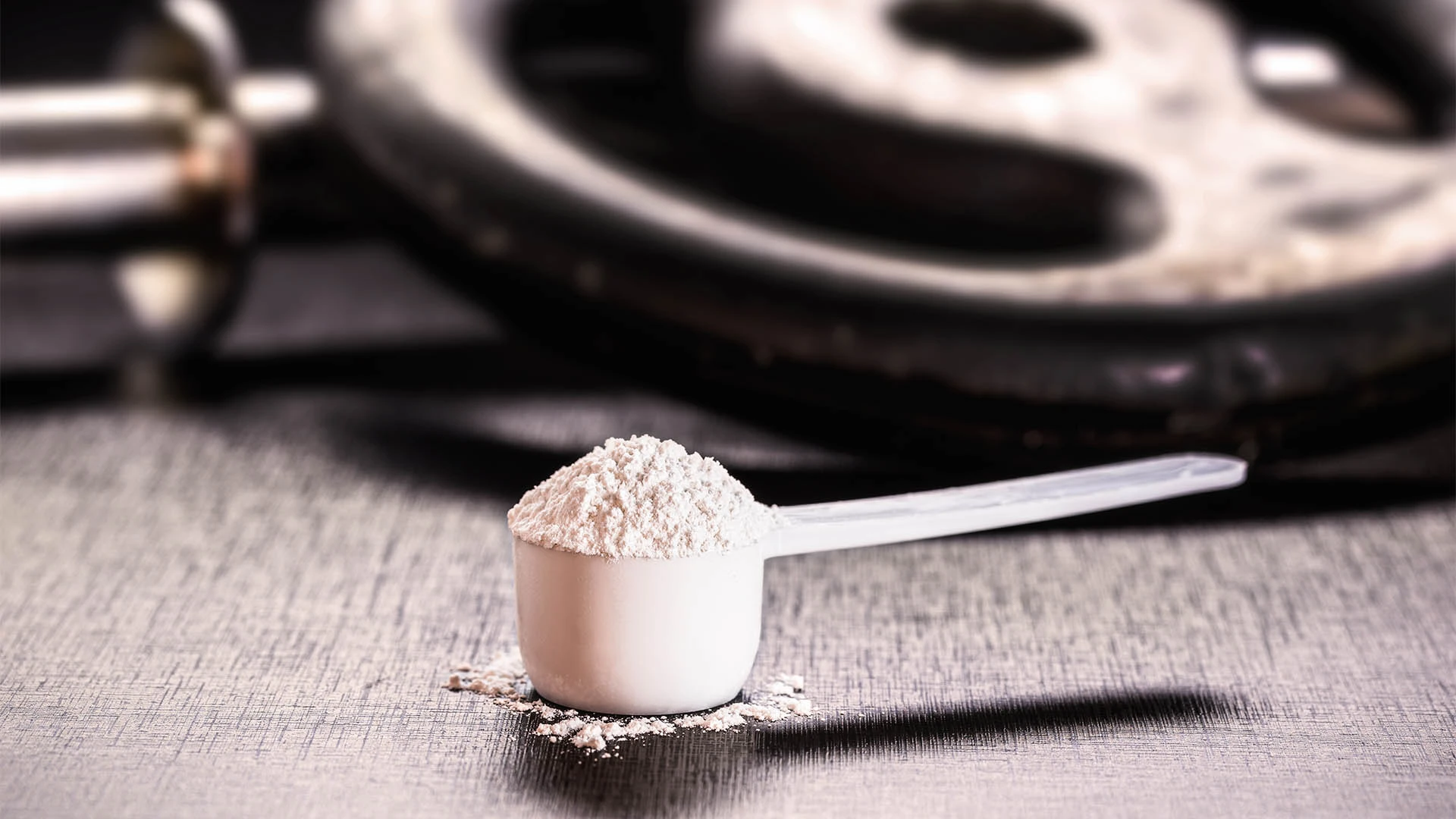
Protein powder provides convenient post-workout nutrition when whole foods aren't practical. Our plant-based options deliver complete amino acid profiles without digestive stress. BCAAs become beneficial only when total protein intake falls short of requirements—whole proteins typically provide superior results.
Creatine supports both performance and recovery through enhanced cellular energy production and reduced exercise-induced muscle damage. Standard dosing involves 3-5 grams daily, timing doesn't significantly impact results.
Tart cherry juice contains natural anti-inflammatory compounds that may reduce soreness and improve sleep quality. Magnesium supports muscle function and sleep quality—our liposomal formulation ensures superior absorption compared to standard forms.
Omega-3 fatty acids reduce inflammation and support overall recovery. Our high-potency fish oil provides 4x strength concentration for maximum benefit per dose.
Post-workout supplementation focuses on protein and carbohydrates within the 2-hour window. Pre-workout supplements like creatine work through chronic loading rather than acute timing. Avoid stacking multiple stimulants or overlapping ingredients between products.
Quality considerations include third-party testing, transparent labeling, and reputable manufacturing practices. Our products meet the highest purity standards available in the Indian market.
Post-exercise soreness relief requires distinguishing between normal adaptation responses and concerning symptoms. Most people either ignore warning signs or panic over normal soreness. Understanding the difference prevents both overtraining injuries and unnecessary medical visits.
Normal soreness follows predictable patterns and responds to standard recovery interventions. Abnormal pain presents with different characteristics that warrant professional evaluation.
DOMS presents as general muscle aching that peaks 24-72 hours post-exercise and gradually subsides. It's symmetrical, affects the muscle belly rather than joints, and improves with light movement. Injury pain often appears immediately, affects one side, involves joints or specific points, and worsens with movement.
Red flags include sharp shooting pains, numbness, tingling, significant swelling, or inability to bear weight. These symptoms require immediate professional evaluation.
Natural anti-inflammatory approaches include proper nutrition, adequate sleep, and gentle movement. Foods rich in omega-3s, antioxidants, and polyphenols support the body's natural healing processes. NSAIDs can be used sparingly for severe discomfort but may interfere with adaptation when used regularly.
Alternative methods like heat therapy, gentle massage, and stress reduction techniques often provide relief without side effects.
Persistent soreness beyond 72 hours suggests inadequate recovery resources or excessive training stress. Evaluate sleep quality, nutrition adequacy, and training volume before adding more interventions. Individual recovery rates vary significantly based on genetics, training history, and lifestyle factors.
Adjust training intensity and volume based on recovery feedback rather than predetermined schedules. Your body provides constant information about its readiness for additional stress.
Recovery time varies by intensity and individual factors, ranging from 24 hours for light workouts to 72+ hours for intense sessions. Beginners typically need longer recovery periods, while experienced athletes often recover faster due to improved adaptation mechanisms.
The 3 R's approach provides the foundation: proper rehydration, protein-rich refueling, and quality rest. Combine these with active recovery techniques like gentle movement and stretching for optimal results.
Muscle healing progresses through inflammation (0-72 hours), proliferation (3-21 days), remodeling (21 days-6 months), and functional adaptation phases. Each stage has specific characteristics and optimal recovery interventions.
Gentle movement, proper hydration, anti-inflammatory foods, adequate sleep, and temperature therapy effectively reduce soreness. Avoid complete rest, which often prolongs discomfort compared to light activity.
Combine active recovery, strategic nutrition timing, quality sleep, and recovery tools like foam rolling. Consistency with basic interventions typically outperforms sporadic use of advanced techniques.
Effective post-workout muscle recovery doesn't require complicated protocols or expensive equipment. The 3 R's framework—Rehydrate, Refuel, and Rest—provides the foundation for optimal recovery. Build on these basics with active recovery techniques, proven supplements, and smart use of recovery tools.
Remember that recovery is highly individual. What works for others may need adjustment for your specific needs, training style, and lifestyle factors. Start with the fundamentals, track your response, and gradually refine your approach based on results. Consistency with simple interventions beats sporadic use of complex protocols every time.


Someone sent you
Powered by ReferRush