


Soya Chunks Protein: Your Complete FAQ Guide

Get personalised recommendations with our assessment.
Personalised Health Diagnosis (PHD)
Plant-based protein has never been more accessible, yet confusion around soya chunks protein content runs rampant. While fitness enthusiasts scramble for expensive protein powders, this humble legume derivative packs an impressive protein punch that rivals even premium supplements. The real question isn't whether soya chunks deserve a spot in your nutrition arsenal—it's how to maximize their potential. From understanding the dramatic difference between dry and cooked measurements to optimizing absorption, we're cutting through the noise to deliver science-backed insights that actually matter for your health goals.
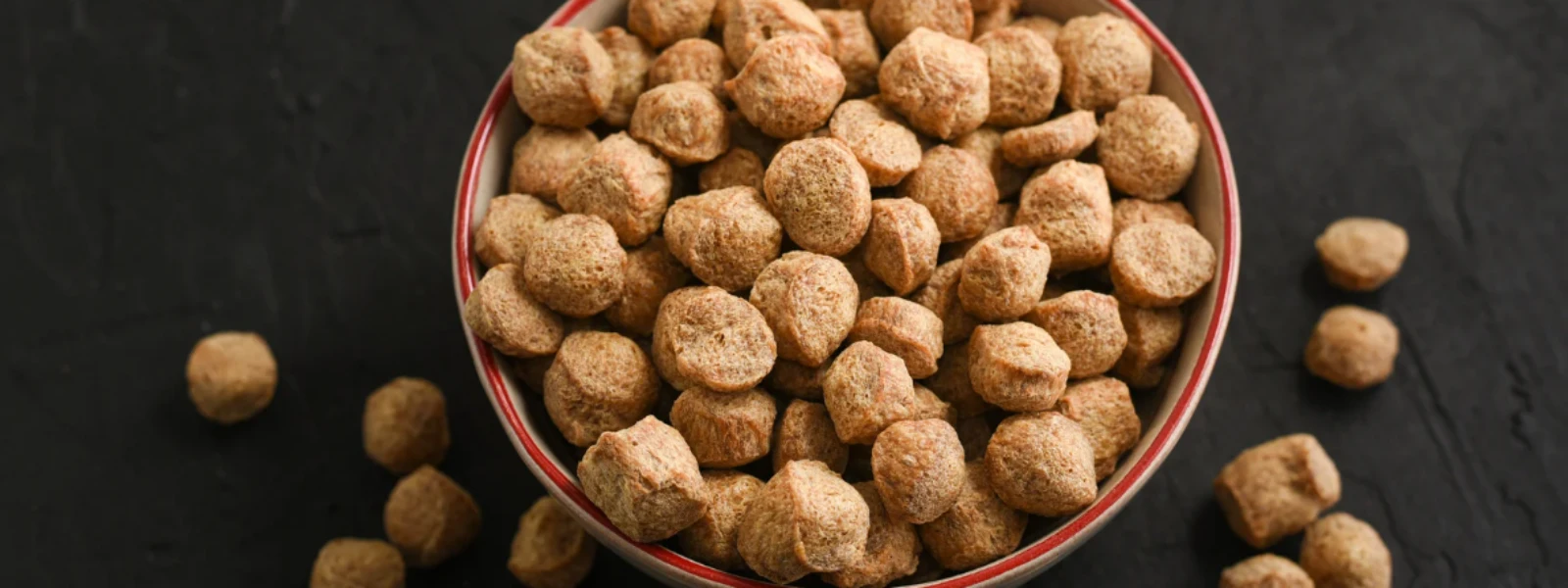
Let's demolish the confusion around soya chunks protein content once and for all. The numbers you see online often lack crucial context, leading to miscalculated meal plans and disappointed fitness goals. Dry soya chunks contain approximately 52-54g of protein per 100g. This isn't marketing fluff—it's verified nutritional data that positions soya chunks among the highest protein-density foods available.
However, here's where most people stumble: cooked soya chunks deliver only 18-22g protein per 100g due to water absorption during preparation. This difference isn't trivial. When you soak and cook soya chunks, they absorb roughly 2.5-3 times their weight in water. Your 100g of dry chunks becomes approximately 250-300g of cooked product.
Understanding this conversion prevents the common mistake of underestimating portions needed to hit protein targets. The complete nutritional profile per 100g dry weight reveals why soya chunks dominate plant-based nutrition discussions. You're getting 336-345 calories, 33g carbohydrates, 13g fiber, and a mere 0.5g fat. This macro distribution creates an almost perfect protein-to-calorie ratio that's difficult to match with whole foods. What sets soya chunks apart from incomplete plant proteins is their complete amino acid profile.
Unlike most vegetarian protein sources that lack one or more essential amino acids, soya chunks provide all nine in adequate proportions. This completeness rivals animal proteins, making them particularly valuable for vegetarians and vegans who struggle to combine complementary proteins throughout the day.
The plant-based protein landscape is crowded with options, but few deliver the concentrated nutrition that soya chunks provide. Let's examine how they stack up against popular alternatives. Lentils, often hailed as protein powerhouses, contain approximately 25g protein per 100g cooked. Chickpeas deliver around 19g, while quinoa provides 14g. Even when comparing dry weights, soya chunks maintain their lead with double the protein density of most legumes. This concentration translates to practical advantages: smaller portions, easier meal planning, and more efficient nutrient delivery.
Beyond raw protein numbers, soya chunks excel in cost-per-gram protein calculations. While premium protein sources like paneer or imported quinoa can strain budgets, soya chunks deliver exceptional value. You're getting approximately 50-60% more protein per rupee compared to most alternative vegetarian sources.
Unlike fresh proteins that demand immediate consumption, dry soya chunks maintain nutritional integrity for months when stored properly. This stability makes them ideal for meal prep enthusiasts and those seeking consistent protein availability without frequent shopping trips.
The question of daily soya chunks consumption requires nuanced understanding rather than blanket recommendations. Your optimal intake depends on overall dietary patterns, fitness goals, and individual tolerance levels. For most adults, 30-60g of dry soya chunks daily provides 15-30g of high-quality protein without overwhelming your system. This range supports muscle maintenance, repair, and growth while allowing room for protein variety from other sources. Athletes or individuals with elevated protein needs might safely consume up to 80-100g dry weight, though this should represent part of a diverse protein strategy.
Timing matters significantly for optimal utilization. Post-workout consumption within 30-60 minutes maximizes muscle protein synthesis, while spreading intake across meals ensures steady amino acid availability throughout the day.
Regular soya chunks consumption offers compelling health benefits beyond muscle building. The high fibre content supports digestive health and promotes satiety, making weight management more achievable. Additionally, soy proteins have demonstrated cardiovascular benefits, including improved cholesterol profiles and reduced inflammation markers.
Phytoestrogen content in soy products generates unnecessary anxiety among some consumers. Research consistently shows that moderate soy consumption doesn't negatively impact hormone levels in healthy adults. The phytoestrogens in soy may actually provide protective benefits, particularly for heart and bone health. Digestive sensitivity varies among individuals. Starting with smaller portions and gradually increasing intake allows your system to adapt to the fiber content and protein load.
While protein content captures attention, soya chunks deliver impressive micronutrient density that enhances their nutritional value proposition. The iron content in 100g dry soya chunks provides approximately 20-25% of daily requirements, making them particularly valuable for vegetarians at risk of iron deficiency. This iron comes in a readily absorbable form, especially when consumed with vitamin C-rich foods.
Calcium levels reach 350-400mg per 100g, supporting bone health and muscle function. For individuals avoiding dairy, this calcium contribution becomes especially significant. Magnesium content supports energy metabolism and muscle recovery, while B-vitamins aid in protein metabolism and energy production. The 13g fibre per 100g deserves special attention. This substantial fibre content promotes digestive health, feeds beneficial gut bacteria, and enhances satiety.
The combination of protein and fibre creates a powerful duo for weight management, as both nutrients increase feelings of fullness and reduce overall calorie intake. The minimal fat content (0.5g per 100g) creates caloric efficiency rarely found in protein-rich foods. You're maximizing protein intake while minimizing unnecessary calories, making soya chunks ideal for lean muscle building or weight loss phases.
Proper preparation transforms soya chunks from bland, chewy pieces into flavorful, digestible protein sources. The preparation method significantly impacts both taste and nutritional absorption. Soaking soya chunks in warm water for 15-20 minutes ensures complete hydration and removes any residual processing flavors. Squeezing out excess water after soaking prevents diluted flavors in your final dish. This step also concentrates the protein content per serving.
Combining soya chunks with vitamin C-rich ingredients like tomatoes, bell peppers, or citrus enhances iron absorption. This simple pairing can increase iron bioavailability by up to 300%, maximizing the nutritional benefits of your meal. For optimal protein utilization, avoid consuming large amounts of calcium-rich foods simultaneously, as calcium can interfere with iron absorption. Timing these nutrients separately throughout the day ensures maximum benefit from both.
Creating satisfying, protein-rich meals with soya chunks requires understanding flavor absorption and texture management. Marinating prepared chunks in spice blends, yogurt, or acidic solutions enhances both taste and digestibility. Stir-frying with minimal oil preserves the low-fat advantage while creating appealing textures. Adding complementary proteins like nuts, seeds, or legumes creates complete amino acid profiles and increases overall protein density.
Fifty grams of dry soya chunks contains approximately 26-27g of protein. This serving size works well for single meals and provides substantial protein without overwhelming portion sizes.
One hundred grams of dry soya chunks contains 336-345 calories, with protein contributing roughly 60% of total calories. This creates an excellent protein-to-calorie ratio for muscle building or weight management goals.
Dry soya chunks typically absorb 2.5-3 times their weight in water during cooking. So 100g dry becomes approximately 250-300g cooked, with proportionally diluted protein content per gram.
While soya chunks provide complete protein, nutritional variety remains important. They should complement, not completely replace, other protein sources in a balanced diet.
Post-workout consumption within 30-60 minutes optimizes muscle protein synthesis. However, spreading protein intake throughout the day provides consistent amino acid availability for ongoing muscle maintenance and growth.
Moderate daily consumption (30-60g dry weight) is safe for most people. Some individuals may experience digestive discomfort initially, which typically resolves as the system adapts to increased fibre intake.
Soya chunks provide whole food nutrition with fibre, micronutrients, and natural satiety factors that isolated protein powders lack. However, protein powders offer convenience and rapid absorption that whole foods cannot match.
Soya chunks represent one of nature's most concentrated, affordable protein sources, delivering complete amino acid profiles that rival expensive supplements. The key lies in understanding proper preparation, realistic serving sizes, and integration into balanced nutrition plans. Whether you're building muscle, managing weight, or simply seeking sustainable protein sources, soya chunks offer proven nutrition backed by decades of research.


Someone sent you
Powered by ReferRush