


Protein for Breakfast: Your Complete FAQ Guide

Get personalised recommendations with our assessment.
Personalised Health Diagnosis (PHD)
Starting your day with adequate protein isn't just another wellness trend—it's a science-backed strategy that can transform how you feel, perform, and look. While most people grab sugary cereals or carb-heavy toast, smart nutrition enthusiasts are discovering that prioritizing protein for breakfast sets the stage for sustained energy, better appetite control, and optimized body composition. Whether you're chasing muscle gains, weight loss, or simply want to feel more energized throughout the day, understanding how to leverage breakfast protein can be your secret weapon. This comprehensive guide answers every question you might have about incorporating protein into your morning routine, from optimal amounts to practical recipes that actually taste incredible.
Your body has been fasting for 8-12 hours by the time you wake up. During this period, muscle protein breakdown has been occurring, and your glycogen stores are depleted. Starting your day with a high protein breakfast kickstarts muscle protein synthesis, stabilizes blood sugar, and sets a metabolic tone that benefits you for hours. Research consistently shows that consuming 20-30 grams of protein at breakfast leads to better satiety throughout the day. This means fewer cravings, reduced snacking, and naturally lower calorie intake without the misery of feeling deprived. The thermic effect of protein—the energy cost of digesting and metabolizing it—is also significantly higher than carbohydrates or fats, giving your metabolism an early boost.
Protein slows down carbohydrate absorption, preventing the blood sugar spikes and crashes that leave you reaching for more food within hours. This steady energy release keeps your brain sharp and your mood stable, eliminating that mid-morning energy crash.
Breakfast protein provides essential amino acids when your body needs them most. After hours of fasting, your muscles are primed to utilize these building blocks for repair and growth, especially if you're active or training regularly.
The magic number isn't one-size-fits-all, but research points to 20-30 grams as the sweet spot for most adults. This amount maximally stimulates muscle protein synthesis while providing substantial satiety benefits. However, your individual needs depend on several factors. For sedentary individuals, 20-25 grams of high-quality protein works well. Active people and those focused on muscle gain should aim for 25-35 grams. If you're over 50, consider the higher end of this range, as aging muscles become less responsive to protein stimulation.
A simple formula: aim for 0.4-0.5 grams of protein per kilogram of body weight at breakfast. For a 70kg person, this translates to roughly 28-35 grams. Athletes or those in intense training phases might push this to 0.6 grams per kilogram.
Not all proteins are created equal. Complete proteins containing all essential amino acids—like eggs, dairy, or our plant-based blends—are more effective than incomplete sources. The leucine content is particularly important, as this amino acid triggers muscle protein synthesis.
Navigating protein sources can feel overwhelming, but understanding the protein content and bioavailability of different foods simplifies your choices. Here's your complete breakdown of the most effective breakfast protein sources. Eggs remain the gold standard, with one large egg providing 6 grams of complete protein. Three eggs give you 18 grams, and adding cheese or Greek yogurt easily pushes you past 25 grams. Greek yogurt is another powerhouse, with a single cup containing 15-20 grams of protein.
Plant proteins have evolved dramatically. Our DAILY Protein delivers 20 grams of complete amino acids in a single serving, while INTENSE Protein provides 30 grams for serious athletes. These aren't just protein sources—they're gut-friendly formulations that digest easily and taste incredible. Legumes, nuts, and seeds contribute meaningful protein, though they're often incomplete. Combining different plant sources or using a high-quality plant protein powder ensures you get all essential amino acids.
Smoked salmon, turkey, and lean meats pack serious protein punch. Two ounces of smoked salmon provides 14 grams of protein plus omega-3 fatty acids. Turkey or chicken sausages can add 10-15 grams per serving.
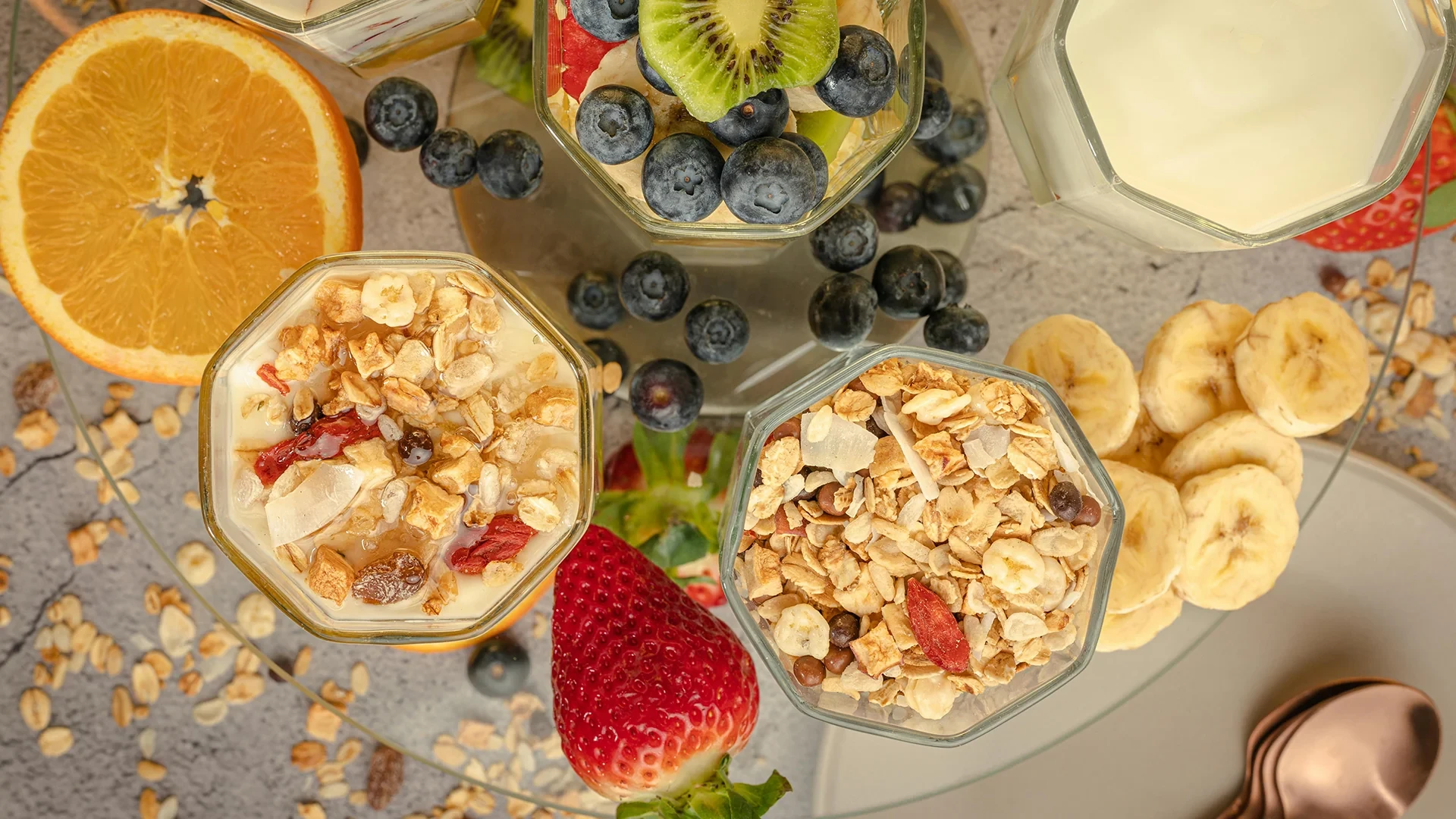
Theory is useless without practical application. These protein-packed breakfast ideas are organized by preparation time, so you can choose based on your schedule and preferences. Quick wins include Greek yogurt parfaits with nuts and berries (25g protein), scrambled eggs with cheese (22g protein), or a protein smoothie using our plant-based blends (20-30g protein). These take under 10 minutes and require minimal cleanup.
Overnight oats with protein powder, chia seeds, and Greek yogurt can be prepared in batches. Each serving delivers 20-25 grams of protein and stays fresh for days. Egg muffins loaded with vegetables and cheese are another prep-friendly option, providing 15-18 grams per serving.
When you have more time, protein pancakes using our Unflavoured Protein mixed into the batter create fluffy, delicious pancakes with 25+ grams of protein per serving. Vegetable omelets with multiple eggs and cheese can easily hit 30+ grams while feeling indulgent.
Indian cuisine offers incredible protein-rich breakfast options that many people overlook. These traditional recipes can be optimized for higher protein content without sacrificing authentic flavors. Moong dal chilla is a protein superstar, providing 15-20 grams per serving. Made from ground moong dal, these savory pancakes are naturally high in protein and can be stuffed with paneer or served with yogurt for additional protein. Besan cheela offers similar benefits with 10-15 grams of protein per serving.
Paneer bhurji with multigrain roti delivers 20-25 grams of protein while satisfying traditional taste preferences. The key is using generous amounts of paneer and pairing with protein-rich accompaniments like Greek yogurt or a glass of milk.
Sprouted moong salads with added nuts and seeds create refreshing, protein-rich breakfasts perfect for warmer months. Ragi dosa filled with protein-rich ingredients like scrambled paneer or egg can provide 18-22 grams of protein while maintaining authentic flavors.
Real life doesn't always allow for elaborate breakfast preparation. Having reliable, quick protein breakfast strategies prevents you from defaulting to low-protein, high-sugar options when time is tight. Five-minute solutions include protein smoothies, hard-boiled eggs prepared in advance, or Greek yogurt with nuts. Keep these ingredients readily available for grab-and-go situations. Our protein powders dissolve instantly, making smoothies a foolproof option even on the most hectic mornings.
Many high protein breakfasts travel well. Overnight oats, protein bars (choose wisely), or even a protein shake can be consumed at your desk. The key is preparation—having the right ingredients and containers ready makes healthy choices effortless.
Keep shelf-stable protein sources available for unexpected situations. Our Unflavoured Protein can be mixed into coffee, added to instant oatmeal, or even stirred into yogurt for an instant protein boost without altering taste significantly.
Your protein breakfast strategy should align with your specific health and fitness objectives. Weight loss, muscle gain, and athletic performance each benefit from slightly different approaches. For weight loss, focus on high-protein, moderate-calorie combinations that maximize satiety. Greek yogurt with berries and a small amount of nuts provides excellent protein while controlling calories. The goal is feeling satisfied for hours while maintaining a caloric deficit.
Those pursuing muscle gain need higher overall calories alongside their protein. Add healthy fats like avocado, nuts, or olive oil to increase caloric density. Our INTENSE Protein with added fruits, oats, and nut butter creates a muscle-building breakfast that tastes like a treat.
Athletes need to consider training timing. Pre-workout breakfasts should be easily digestible, while post-workout meals can be more substantial. The leucine content becomes particularly important for recovery and adaptation.
The best breakfast proteins are complete proteins that digest easily and taste good. Eggs, Greek yogurt, cottage cheese, and high-quality protein powders like our plant-based blends are excellent choices. They provide all essential amino acids and integrate well into various breakfast formats.
Combine multiple protein sources: three eggs (18g) plus Greek yogurt (15g) exceeds 30g. Alternatively, use our INTENSE Protein (30g) in a smoothie with milk for even higher protein content. Cottage cheese with nuts, or an omelet with cheese also easily reaches this target.
Eggs (6g each), Greek yogurt (15-20g per cup), cottage cheese (14g per half cup), smoked salmon (14g per 2oz), paneer (11g per ounce), almonds (6g per ounce), chia seeds (5g per 2 tablespoons), quinoa (8g per cup cooked), protein powder (20-30g per serving), and milk (8g per cup).
Protein provides superior satiety and blood sugar stability compared to carbs alone. However, the optimal approach combines both—protein for satiety and muscle support, with some carbs for energy. The ratio should favor protein, especially if weight management is a goal.
For healthy individuals, 30-40g of protein at breakfast is safe and beneficial. Extremely high amounts (50g+) aren't harmful but may be unnecessary and could cause digestive discomfort in sensitive individuals. Focus on quality over excessive quantity.
High-quality protein shakes can be excellent breakfast options when made properly. Add fruits, vegetables, healthy fats, and fiber to create a complete meal. Our plant-based proteins blend smoothly and provide complete amino acid profiles, making them ideal for breakfast smoothies.
Plant-based proteins like our DAILY or INTENSE blends, combined with foods like Greek yogurt, nuts, seeds, and legumes, easily meet protein needs. Combining different plant sources or using complete plant proteins ensures all essential amino acids are covered.
Protein for breakfast isn't just about hitting numbers—it's about creating sustainable energy, supporting your goals, and feeling genuinely satisfied. Whether you prefer traditional Indian breakfasts, quick smoothies, or elaborate weekend creations, the key is consistency and quality. Start with 20-25 grams of protein and adjust based on your response and goals. Focus on complete proteins when possible, and don't be afraid to combine sources for both nutritional completeness and taste variety. The investment in a protein-rich breakfast pays dividends in energy, appetite control, and long-term health outcomes. Remember, the best protein breakfast is one you'll actually eat consistently. Experiment with different combinations, prep strategies, and flavors until you find your perfect routine. Your future self will thank you for prioritizing this crucial nutritional foundation.


Someone sent you
Powered by ReferRush