


Plant Protein Powder: Your Complete Nutrition Guide

Get personalised recommendations with our assessment.
Personalised Health Diagnosis (PHD)
The fitness world is buzzing with plant-powered nutrition, and for good reason. Plant protein powder has evolved from a niche supplement to a mainstream powerhouse that's reshaping how we think about muscle building, recovery, and overall wellness. Gone are the days when plant-based meant compromising on performance or taste. Today's plant protein formulations deliver complete amino acid profiles, exceptional digestibility, and flavors that actually make you look forward to your post-workout shake. Whether you're a dedicated athlete, weekend warrior, or someone simply looking to optimize their nutrition, understanding plant protein powder can transform your approach to fueling your body.
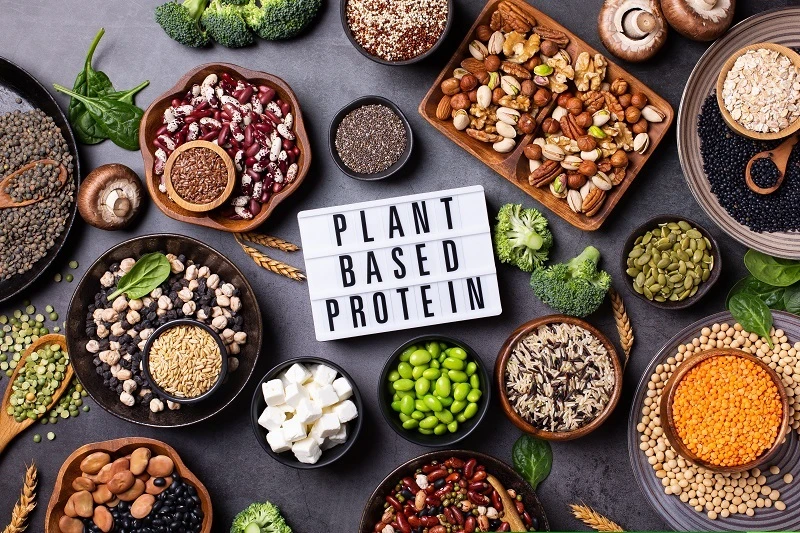
Plant protein powder represents a concentrated source of protein derived from various plant sources, offering a clean alternative to traditional animal-based supplements. Unlike whey or casein proteins that come from dairy, plant protein powder harnesses the nutritional power of legumes, grains, seeds, and other botanical sources to deliver high-quality protein without the environmental footprint or potential digestive issues associated with dairy products.
The magic lies in how these plant sources are processed and combined. Modern extraction techniques concentrate the protein content while preserving essential nutrients like fibre, minerals, and phytonutrients that you won't find in animal-based alternatives. This means you're not just getting protein – you're getting a comprehensive nutritional package that supports overall health.
One common misconception about plant protein is that it's inherently incomplete. While some single-source plant proteins may lack certain amino acids, strategic blending creates complete amino acid profiles that rival any animal-based protein. The key is understanding how different plant sources complement each other.
The plant protein landscape includes several powerhouse sources, each with unique benefits. Pea protein stands out for its high BCAA content and hypoallergenic properties. Brown rice protein offers excellent digestibility and a gentle amino acid profile. Soy protein provides a complete amino acid spectrum, while newer sources like hemp and quinoa bring additional nutritional complexity to the mix.
Research consistently demonstrates that plant protein powder delivers impressive benefits that extend far beyond basic protein requirements. Studies show that plant-based proteins can match whey protein for muscle protein synthesis when amino acid profiles are optimized, making them equally effective for muscle building and recovery.
The digestive advantages of plant protein powder set it apart from dairy-based alternatives. The natural fibre content supports gut health and promotes satiety, while the absence of lactose eliminates digestive discomfort for the millions who struggle with dairy sensitivity. Additionally, plant proteins often come packaged with beneficial compounds like antioxidants, minerals, and omega-3 fatty acids that support overall wellness.
Athletes and fitness enthusiasts can confidently rely on plant protein powder for serious muscle-building goals. Research published in sports nutrition journals demonstrates that plant-based proteins stimulate muscle protein synthesis effectively when they provide adequate leucine and other branched-chain amino acids.
Beyond personal health benefits, plant protein powder represents a more sustainable choice for both your body and the planet. Production requires significantly less water and generates fewer greenhouse gases compared to animal-based proteins, making it an environmentally conscious choice that doesn't compromise performance.
Understanding different types of plant protein powder helps you make informed decisions based on your specific needs, taste preferences, and health goals. Each source brings unique characteristics that can align with different lifestyle requirements and fitness objectives.
Pea protein powder has emerged as a favorite among athletes due to its impressive BCAA profile and muscle-building potential. It's naturally hypoallergenic, making it suitable for those with common food sensitivities, and provides excellent mixability in shakes and smoothies.
Brown rice protein offers exceptional digestibility and a gentle amino acid profile that's easy on sensitive stomachs. While it may be lower in lysine compared to other sources, it pairs beautifully with pea protein to create a complete amino acid spectrum.
Soy protein stands as one of the few plant sources that naturally provides a complete amino acid profile. Research supports its effectiveness for muscle growth and recovery, though some individuals prefer to avoid soy due to personal dietary choices or hormonal considerations.
The most sophisticated plant protein powders combine multiple sources to optimize amino acid completeness and nutritional value. Our formulations utilize strategic ratios that ensure you're getting the full spectrum of essential amino acids your body needs for optimal performance and recovery.
The debate between plant protein powder and whey protein has been settled by science: when matched for protein content and amino acid profiles, both deliver comparable results for muscle building and recovery. This revelation has transformed how we view plant-based nutrition in athletic performance.
Where plant protein powder truly shines is in its additional nutritional value. While whey protein provides primarily protein and minimal additional nutrients, plant-based options deliver fibre, antioxidants, minerals, and phytonutrients that support overall health beyond muscle building. The digestibility factor also favors plant proteins for many individuals who experience bloating or digestive discomfort with dairy-based supplements.
Modern plant protein formulations have addressed historical concerns about absorption rates. Advanced processing techniques and strategic amino acid balancing ensure that plant proteins are readily absorbed and utilized by your muscles for optimal recovery and growth.
Plant protein powder often provides better long-term value when you consider the additional nutritional benefits beyond basic protein content. While initial costs may vary, the comprehensive nutrition profile makes it a smart investment in your overall health and performance goals.
Selecting the right plant protein powder requires evaluating several key factors that align with your specific goals and preferences. The protein content per serving should provide 20-30 grams of high-quality protein, with a complete amino acid profile that includes adequate levels of leucine and other BCAAs for optimal muscle protein synthesis.
Look for products that undergo third-party testing for purity and potency. This ensures you're getting exactly what's listed on the label without unwanted contaminants or fillers. Organic certification can provide additional assurance about ingredient quality and farming practices.
The best plant protein powders feature clean ingredient lists with minimal additives or artificial components. Look for products that include digestive enzymes to enhance absorption and bioavailability, especially if you have a sensitive digestive system.
Taste and texture significantly impact long-term compliance with any supplement routine. Modern plant protein powders have overcome the chalky, gritty reputation of earlier formulations, offering smooth textures and appealing flavors that make daily consumption enjoyable.
Plant protein powder is generally well-tolerated by most individuals, but understanding potential side effects helps you make informed decisions and optimize your experience. The most common issues relate to digestive adjustment, particularly when transitioning from animal-based proteins or significantly increasing fibre intake.
Some individuals may experience mild digestive symptoms like bloating or gas when first introducing plant protein powder. These effects typically resolve as your digestive system adapts to the increased fibre content. Starting with smaller servings and gradually increasing can minimize these temporary adjustments.
While plant proteins are generally less allergenic than dairy-based options, individuals with specific food allergies should carefully review ingredient lists. Soy, for example, is a common allergen, while pea and rice proteins are typically well-tolerated by those with food sensitivities.
Plant protein powder rarely interacts with medications, but individuals taking blood thinners or other prescription medications should consult healthcare providers before making significant dietary changes. This is particularly important for those with existing health conditions or specific medical requirements.
Timing and dosage play crucial roles in maximizing the benefits of plant protein powder. For muscle building and recovery, consuming protein within the post-workout window helps optimize muscle protein synthesis and supports faster recovery between training sessions.
Daily protein requirements vary based on activity level, body weight, and fitness goals. Athletes and highly active individuals may need 1.6-2.2 grams per kilogram of body weight, while moderately active individuals can typically meet their needs with 1.2-1.6 grams per kilogram. Plant protein powder provides a convenient way to bridge the gap between dietary protein intake and optimal requirements.
While post-workout protein consumption gets the most attention, pre-workout protein can also support performance and recovery. Consuming plant protein powder 30-60 minutes before training provides amino acids that can help prevent muscle breakdown during intense exercise.
Beyond traditional shakes, plant protein powder can be incorporated into various recipes to boost the protein content of meals and snacks. From protein-packed pancakes to smoothie bowls and energy balls, creative applications make it easier to meet daily protein goals while enjoying diverse flavors and textures.
Yes, research demonstrates that plant protein powder is equally effective as whey protein for muscle building when it provides similar amounts of protein and essential amino acids per serving. The key is choosing high-quality plant proteins with complete amino acid profiles.
Plant protein powder can support weight loss goals by promoting satiety, preserving lean muscle mass during caloric restriction, and providing additional fibre that aids in appetite control. The protein content helps maintain metabolic rate while the fibre supports healthy digestion.
Daily protein needs vary based on activity level and goals, but most individuals benefit from 20-30 grams of plant protein powder per serving, consumed 1-2 times daily. Athletes may require higher amounts to meet their increased protein requirements for optimal recovery and performance.
Plant protein powder is generally well-tolerated, though some individuals may experience mild digestive adjustment when first introducing it. Starting with smaller servings and gradually increasing can minimize any temporary bloating or gas as your system adapts to the increased fibre content.
Multi-blend plant proteins that combine pea and rice proteins offer an excellent starting point for beginners. These blends provide complete amino acid profiles, good digestibility, and typically have pleasant flavors that make the transition to plant-based protein more enjoyable.
Absolutely. Plant protein powder offers benefits for anyone looking to diversify their protein sources, reduce dairy consumption, or add more plant-based nutrition to their diet. Many non-vegans choose plant protein for its digestibility and additional nutritional benefits.
Plant protein powder has evolved into a sophisticated nutritional tool that delivers exceptional results for muscle building, recovery, and overall health. The science clearly supports its effectiveness when formulated with complete amino acid profiles, making it a viable alternative to traditional animal-based proteins.
The choice between different plant protein sources ultimately depends on your individual needs, taste preferences, and health goals. Whether you opt for single-source proteins or multi-blend formulations, the key is consistency and choosing high-quality products that undergo rigorous testing for purity and potency. As the plant-based nutrition landscape continues to evolve, plant protein powder stands as a testament to how innovation can create products that benefit both personal health and environmental sustainability.


Someone sent you
Powered by ReferRush