


Plant Protein Powder: Your Complete Guide

Get personalised recommendations with our assessment.
Personalised Health Diagnosis (PHD)
The plant protein revolution isn't just a trend—it's a fundamental shift in how we think about nutrition. While traditional protein sources dominated the market for decades, plant-based alternatives are proving they can deliver the same muscle-building power with added benefits your body craves. Whether you're a dedicated athlete, health-conscious professional, or someone exploring cleaner nutrition options, understanding plant protein powder can transform your wellness journey. The science is clear: plants pack serious protein punch when you know what to look for.
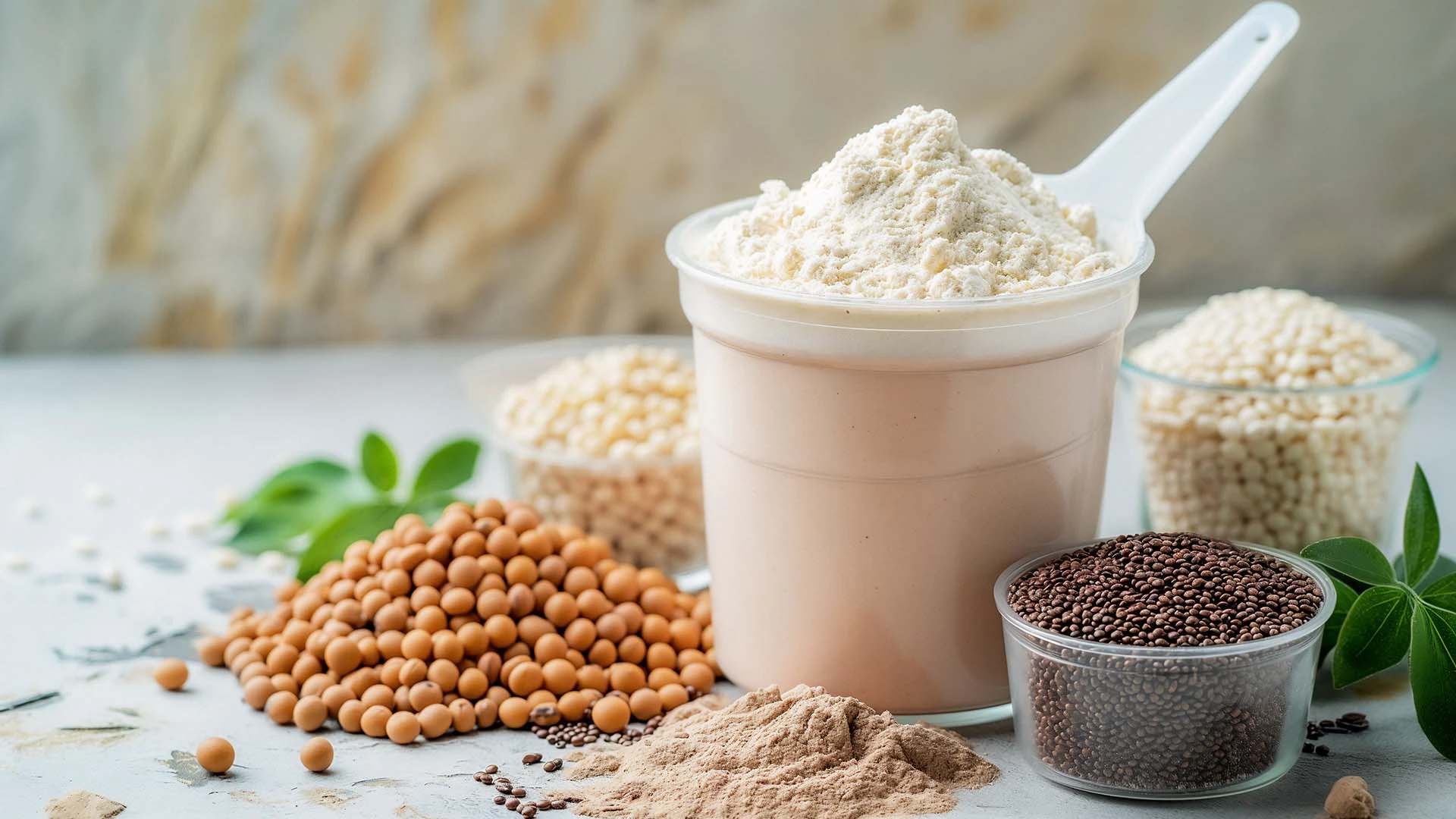
Plant protein powder represents a concentrated form of protein extracted from various plant sources through careful processing methods. Unlike animal-based proteins like whey or casein, plant protein powder comes from sources like peas, rice, hemp, and soy, offering a clean alternative that your digestive system can handle with ease.
The extraction process involves isolating protein from the plant source while preserving its nutritional integrity. This creates a powder that typically contains 15-30 grams of protein per serving, depending on the source and processing method. What sets plant proteins apart isn't just their origin—it's their complete nutritional package that includes fiber, antioxidants, and essential minerals.
One common misconception about plant proteins involves their amino acid completeness. While some individual plant sources may lack certain essential amino acids, strategic combinations create complete profiles that rival any animal protein. The key lies in understanding how different plant sources complement each other.
Modern extraction methods preserve the protein's bioavailability while removing unwanted compounds. Cold-processing techniques maintain the protein's natural structure, ensuring your body can utilize every gram effectively. Quality manufacturers focus on minimal processing to retain maximum nutritional value.
Different plant sources offer distinct advantages, making the choice of best plant protein highly individual. Understanding each source helps you select the option that aligns with your specific health goals and dietary preferences.
Pea protein powder stands out for its exceptional digestibility and complete amino acid profile. Extracted from yellow split peas, this protein source provides all nine essential amino acids your body needs for optimal function. Its neutral taste and smooth texture make it incredibly versatile for various applications.
Pea protein offers superior digestibility compared to many other protein sources. It's naturally hypoallergenic, making it suitable for people with dairy, soy, or gluten sensitivities. The protein also contains high levels of branched-chain amino acids (BCAAs), particularly leucine, which plays a crucial role in muscle protein synthesis.
Brown rice protein provides a hypoallergenic option with excellent amino acid content. While it may be lower in lysine compared to other sources, combining it with pea protein creates a superior amino acid profile. Rice protein is particularly gentle on sensitive digestive systems.
Hemp protein powder delivers more than just protein—it's a complete nutritional package. Rich in omega-3 and omega-6 fatty acids, hemp protein supports heart health while providing quality protein. Its natural fiber content aids digestion and promotes satiety.
Soy protein powder offers one of the most complete plant-based amino acid profiles available. It contains all essential amino acids in optimal ratios and provides additional phytonutrients that support overall health. Quality soy protein undergoes careful processing to remove anti-nutritional factors.
The protein powder benefits extend far beyond simple muscle building. Research consistently demonstrates how quality plant proteins support multiple aspects of health and performance, making them valuable additions to any nutrition strategy.
Muscle building and recovery represent the most recognized benefits of protein supplementation. Plant proteins provide the essential amino acids necessary for muscle protein synthesis, supporting both muscle growth and repair after exercise. Studies show that plant protein can be just as effective as animal protein for building lean muscle mass when consumed in adequate amounts.
Plant proteins excel at promoting satiety and supporting healthy weight management. The combination of protein and fibre found in many plant sources helps regulate appetite and reduce overall caloric intake. This makes plant protein powder an excellent tool for those looking to maintain or achieve a healthy weight.
Unlike some animal proteins that can be hard on the digestive system, quality plant proteins are generally easier to digest. They often come with additional fibre and prebiotics that support gut health. This makes them particularly beneficial for people with sensitive stomachs or digestive issues.
Plant proteins contribute to cardiovascular health through multiple mechanisms. They're naturally free from cholesterol and often contain heart-healthy compounds like fibre and antioxidants. Regular consumption of plant proteins has been associated with improved cholesterol profiles and reduced risk of heart disease.
Selecting the best plant protein requires understanding quality indicators and matching them to your specific needs. The market offers numerous options, but not all plant proteins are created equal.
Quality starts with the source. Look for organic protein powder when possible, as organic certification ensures the plants were grown without synthetic pesticides or fertilizers. This reduces your exposure to potentially harmful chemicals while supporting sustainable farming practices.
Aim for products providing 20-30 grams of protein per serving with high bioavailability. The protein content should be clearly listed, and the amino acid profile should be complete or strategically combined to ensure completeness. Third-party testing for purity and potency provides additional assurance.
Quality manufacturers provide complete ingredient lists without hiding behind proprietary blends. Avoid products with excessive fillers, artificial additives, or unnecessary ingredients. The best plant proteins contain minimal ingredients while maximizing nutritional value.
Taste and texture significantly impact long-term compliance. Quality plant proteins should mix smoothly without grittiness and offer pleasant flavors that you actually enjoy consuming. Poor-tasting proteins often end up unused, regardless of their nutritional quality.
Different individuals have varying protein needs based on their activity levels, health goals, and life stages. Understanding how to tailor plant protein use ensures maximum benefit from your supplementation strategy.
Athletes and active individuals require higher protein intake to support training adaptations and recovery. Muscle recovery protein becomes particularly important for those engaging in regular intense exercise. Plant proteins can effectively support these increased needs when consumed strategically.
Post-workout protein consumption within 30-60 minutes optimizes muscle protein synthesis. Consuming 20-25 grams of quality plant protein during this window supports optimal recovery. For general health, spreading protein intake throughout the day maintains steady amino acid availability.
Combining different plant protein sources creates superior amino acid profiles. The classic combination of pea and rice protein in a 70:30 ratio provides all essential amino acids in optimal proportions. This strategy ensures you're getting complete protein nutrition from plant sources.
While plant proteins are generally safe for most people, understanding potential side effects and contraindications ensures safe supplementation. Most adverse effects are mild and can be minimized with proper introduction and selection.
Digestive issues represent the most common side effects when starting plant protein supplementation. These typically include mild bloating, gas, or changes in bowel movements. Starting with smaller servings and gradually increasing allows your digestive system to adapt.
While plant proteins are generally hypoallergenic, some individuals may have sensitivities to specific sources. Soy allergies are relatively common, while pea and rice proteins are typically well-tolerated. Reading labels carefully and starting with single-source proteins helps identify any sensitivities.
Heavy metal contamination can be a concern with some plant protein sources. Choosing products from reputable manufacturers who conduct third-party testing minimizes this risk. Quality certifications and transparent testing results provide additional safety assurance.
Yes, plant protein powder can be just as effective as whey protein for muscle building when consumed in adequate amounts. Research shows that plant proteins provide all the essential amino acids needed for muscle protein synthesis. The key is choosing complete protein sources or strategic combinations that provide optimal amino acid profiles.
Most people benefit from 20-30 grams of plant protein powder per serving, with total daily protein needs varying based on body weight and activity level. Active individuals typically need 1.6-2.2 grams of protein per kilogram of body weight daily. Plant protein powder can contribute significantly to meeting these requirements.
Some people may experience mild digestive issues when first introducing plant protein powder, including bloating or gas. These effects are usually temporary and can be minimized by starting with smaller servings and choosing easily digestible options like pea protein. Most people tolerate plant proteins better than dairy-based alternatives.
Plant proteins with added fibre content, such as hemp protein, can be particularly beneficial for weight loss due to their satiety-promoting effects. Any quality plant protein can support weight management by helping maintain muscle mass during caloric restriction and promoting feelings of fullness.
Organic plant protein powder offers several advantages, including reduced exposure to synthetic pesticides and fertilizers, and often higher quality control standards. While more expensive, the investment in organic options can be worthwhile for those prioritizing clean nutrition and environmental sustainability.
Yes, many plant protein powders work well in baking and cooking applications. Unflavored options are particularly versatile and can be added to various recipes without significantly altering taste. This makes it easy to increase the protein content of meals and snacks throughout the day.
Plant protein powder represents a powerful tool for meeting your protein needs while supporting overall health and wellness. The science clearly demonstrates that quality plant proteins can match animal proteins in terms of muscle-building effectiveness while offering additional benefits like improved digestive health and environmental sustainability.
Success with plant protein supplementation comes down to choosing quality products that provide complete amino acid profiles, whether through single superior sources or strategic combinations. Understanding your individual needs and goals allows you to select the most appropriate option and use it effectively.
At Ace Blend, our plant protein offerings are designed to deliver the potency and purity you deserve. Our DAILY Protein provides 20g of complete plant protein for everyday nutrition, while our INTENSE Protein delivers 30g for serious athletes. For those who prefer to fortify their regular meals, our Unflavored Protein offers 26g of versatile protein that seamlessly integrates into any dish. Each formula is crafted with complete amino acid profiles and optimized for both taste and effectiveness, because your nutrition shouldn't require compromise.


Someone sent you
Powered by ReferRush