


Plant Protein 101: Your Complete Nutrition Guide

Get personalised recommendations with our assessment.
Personalised Health Diagnosis (PHD)
The plant protein revolution isn't just a trend—it's a complete shift in how we think about nutrition. While traditional protein sources dominated the fitness world for decades, plant-based alternatives are proving they can deliver the same muscle-building power with added benefits. Whether you're a seasoned athlete, weekend warrior, or someone simply looking to optimize their health, understanding plant protein can transform your approach to nutrition. The science is clear: plant-powered nutrition offers complete amino acid profiles, superior digestibility, and environmental sustainability that animal proteins simply can't match.
Plant protein comes from various plant-based sources like legumes, grains, nuts, and seeds. Unlike the outdated belief that plant proteins are "incomplete," modern nutrition science shows that many plant-based protein sources contain all nine essential amino acids your body needs. The real game-changer? These proteins often come packaged with fibre, antioxidants, and phytonutrients that animal proteins lack.
The fitness community has finally caught up to what nutritionists have known for years. Plant protein isn't just adequate—it's often superior. Studies consistently show that plant-based protein sources can support muscle growth, recovery, and overall health just as effectively as traditional options. The difference lies in the additional benefits: better digestion, reduced inflammation, and enhanced nutrient absorption. What makes plant protein particularly compelling is its versatility. From high protein vegan foods like hemp seeds to convenient plant protein powder options, there's a solution for every lifestyle and dietary preference. The key is understanding which sources work best for your specific goals and how to combine them effectively.
Not all plant proteins are created equal, but the best ones deliver complete amino acid profiles that rival any animal source. Understanding which plant-based protein sources pack the biggest nutritional punch can revolutionize your diet and performance. The top-tier plant proteins offer 20-30 grams of protein per 100-gram serving, making them serious contenders for anyone focused on muscle building or general health optimization. These aren't your grandmother's vegetables—they're scientifically-backed nutritional powerhouses.
Hemp seeds lead the pack with an impressive 30+ grams of protein per 100 grams. They're not just high in protein; they contain all essential amino acids in optimal ratios. Peanuts follow closely with 25.8 grams, while cashews and almonds provide quality protein with healthy fats.
Lentils, chickpeas, and black beans form the backbone of plant-based nutrition. These complete plant protein sources offer 15-25 grams of protein per cooked cup, plus fiber and complex carbohydrates for sustained energy. Edamame deserves special mention with 17 grams of protein per cup.
Quinoa stands out as a rare grain that's a complete protein, offering 8 grams per cooked cup. Chia seeds and pumpkin seeds provide 24.4 grams and 19 grams per 100 grams respectively, making them excellent additions to smoothies or snacks.
Tempeh and tofu represent the processed end of plant proteins, offering 15-20 grams per serving. These fermented options provide additional probiotics and are incredibly versatile in cooking applications.
The myth that plant protein can't support serious athletic performance has been thoroughly debunked. Elite athletes across every sport are proving that protein for athletes doesn't need to come from animal sources. The science supports what these athletes experience: plant protein can build and maintain muscle just as effectively as traditional sources. Research published in the Journal of the International Society of Sports Nutrition shows that plant-based athletes can achieve the same muscle protein synthesis rates as their omnivorous counterparts. The key lies in consuming adequate amounts and timing intake properly around training sessions.
Athletes need 1.2-2.0 grams of protein per kilogram of body weight daily. Vegetarian protein sources can easily meet these requirements when properly planned. A 70kg athlete needs 84-140 grams daily—achievable through strategic food choices and supplementation.
The post-workout window remains crucial for muscle building protein synthesis. Consuming 20-30 grams of plant protein within 30 minutes of training optimizes recovery and growth. Our INTENSE Protein delivers exactly this amount with complete amino acid profiles designed for serious athletes.
While many plant proteins are complete on their own, combining different sources throughout the day ensures optimal amino acid availability. Rice and pea protein complement each other perfectly, which is why many best plant protein formulations use this combination.
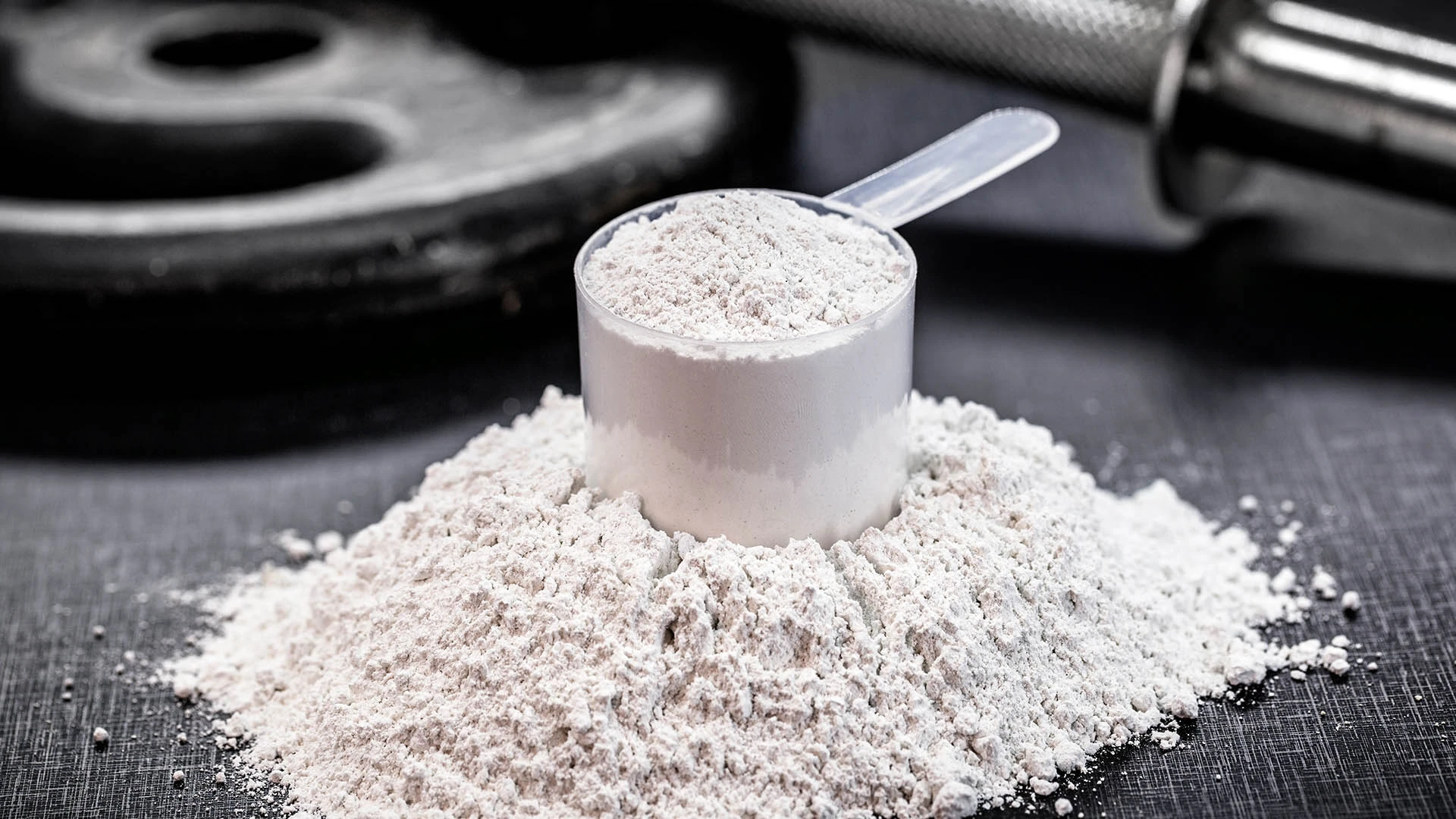
The convenience and concentration of plant protein powder makes it an essential tool for anyone serious about their nutrition. Unlike whole food sources, powders provide precise dosing and rapid absorption when you need it most. Modern plant protein powders have evolved far beyond the chalky, flavorless options of the past. Today's formulations rival traditional whey in taste, texture, and bioavailability while offering additional benefits like easier digestion and environmental sustainability.
Pea protein isolate leads in amino acid completeness and digestibility. Rice protein offers hypoallergenic properties, while hemp protein provides omega fatty acids. Soy protein, despite controversy, remains one of the most complete plant options available.
The plant protein benefits extend beyond muscle building. These powders typically contain fibre, antioxidants, and phytonutrients absent in animal-based alternatives. They're also easier on the digestive system and don't cause the bloating or discomfort some experience with dairy-based proteins.
Look for third-party tested products with complete amino acid profiles. Avoid unnecessary fillers, artificial sweeteners, and proprietary blends that hide actual protein content. Our DAILY Protein and INTENSE Protein lines exemplify these quality standards with transparent labeling and premium ingredients.
Plant protein powders blend seamlessly into smoothies, baked goods, and even savory dishes. Our Unflavoured Protein can be added to dal, gravies, or atta for those who prefer incorporating protein into traditional meals rather than drinking shakes.
While plant protein offers numerous advantages, individual responses can vary. Understanding potential considerations helps you make informed decisions about incorporating these proteins into your routine. The higher fibre content in many plant proteins can initially cause digestive adjustments in some people. This isn't necessarily negative—fibre supports gut health and satiety—but the transition should be gradual for optimal comfort.
Some individuals may experience initial bloating or gas when dramatically increasing plant protein intake. This typically resolves within 1-2 weeks as gut bacteria adapt to the increased fibre load. Starting with smaller portions and gradually increasing helps minimize any discomfort.
The fibre in plant proteins is actually beneficial for most people, supporting digestive health and blood sugar regulation. However, those with certain digestive conditions may need to monitor their response and adjust intake accordingly.
Plant proteins offer options for those with dairy allergies or lactose intolerance. However, some individuals may have sensitivities to specific plants like soy or nuts. The variety of plant protein sources means alternatives are always available.
The highest-quality plant proteins include edamame (17g per cup), hemp seeds (30g per 100g), lentils (18g per cooked cup), quinoa (8g per cooked cup), and pumpkin seeds (24.4g per 100g). These provide complete or near-complete amino acid profiles essential for muscle building and overall health.
Hemp seeds top the list with over 30 grams of protein per 100 grams, followed by peanuts at 25.8 grams and pumpkin seeds at 24.4 grams. Among legumes, cooked lentils provide about 18 grams per cup, making them excellent everyday protein sources.
Yes, research shows plant proteins can support muscle protein synthesis equally well when consumed in adequate amounts. The key is ensuring complete amino acid profiles and proper timing around workouts. Many elite athletes successfully build and maintain muscle mass on plant-based diets.
General recommendations suggest 0.8-1.2 grams per kilogram of body weight for sedentary individuals, while athletes may need 1.2-2.0 grams per kilogram. A 70kg person would need 56-140 grams daily depending on activity level and goals.
Individuals with digestive sensitivities to high-fibre foods should introduce plant proteins gradually. Those with specific plant allergies (soy, nuts) should choose appropriate alternatives. People with kidney conditions should consult healthcare providers before significantly increasing protein intake.
Isolates undergo additional processing to remove carbohydrates and fats, resulting in 90%+ protein content. Concentrates retain more of the original nutrients but have lower protein percentages (70-80%). Isolates digest faster, while concentrates provide additional nutrients and fibre.
Plant protein represents the future of nutrition—combining optimal muscle-building potential with enhanced health benefits and environmental sustainability. The science is clear: properly formulated plant proteins deliver complete amino acid profiles that support every fitness goal from casual wellness to elite athletic performance. The variety of vegan protein sources means there's an option for every taste preference and dietary need. Whether you choose whole food sources like hemp seeds and lentils or convenient powder formulations, plant protein can seamlessly integrate into any lifestyle.
At Ace Blend, we've formulated our protein lines to deliver the potency and purity that serious athletes and health-conscious individuals demand. Our DAILY, INTENSE, and Unflavoured proteins represent the cutting edge of plant-based nutrition—proving that you don't need to compromise on performance to align with your values.


Someone sent you
Powered by ReferRush