


Paneer Protein: Your Complete Nutritional Guide

Get personalised recommendations with our assessment.
Personalised Health Diagnosis (PHD)
Paneer has quietly become the protein powerhouse of Indian kitchens, but most people have no clue about its true nutritional potential. While everyone debates chicken versus dal, this humble cottage cheese packs a serious protein punch that rivals the best sources out there. The real question isn't whether paneer belongs in your diet—it's whether you're maximizing what those 100 grams can actually deliver. Let's break down the numbers, bust some myths, and figure out how this traditional favorite stacks up in the modern nutrition game.
Here's the straight answer: 100 grams of paneer contains 18-25 grams of protein, depending on the type and preparation method. That's roughly equivalent to three large eggs or a decent-sized chicken breast portion. But here's where it gets interesting—paneer delivers what nutritionists call a complete protein, meaning it contains all nine essential amino acids your body can't produce on its own. The protein in paneer comes primarily from casein, which is a slow-digesting protein that provides a steady release of amino acids into your bloodstream. This makes it particularly valuable for muscle recovery and sustained energy, especially when consumed before bed or between meals.
Not all proteins are created equal. Paneer protein has a high biological value, meaning your body can efficiently use most of what you consume. The casein-rich composition ensures that amino acids are released gradually, providing sustained muscle protein synthesis for hours after consumption.
The protein content in paneer isn't fixed—it varies significantly based on the milk source, fat content, and preparation method. Understanding these variations helps you make smarter choices based on your specific goals. Full-fat paneer typically contains 18-22 grams of protein per 100 grams, along with 265-321 calories. This is your standard market variety, rich and creamy but higher in calories. Low-fat or toned milk paneer bumps up the protein content to 20-23 grams while reducing overall calories, making it ideal for those watching their weight.
Buffalo milk paneer generally contains slightly higher protein levels—around 20-25 grams per 100 grams—compared to cow milk paneer at 18-22 grams. Buffalo milk's naturally higher protein content translates directly to the final product.
Homemade paneer often has higher moisture content, which can dilute the protein concentration slightly. Commercial varieties are typically pressed and drained more thoroughly, resulting in denser protein content per gram.
While protein gets the spotlight, paneer brings much more to the table. Those 100 grams pack approximately 200-250 mg of calcium—about 20% of your daily requirement. You're also getting significant amounts of phosphorus, vitamin B12, and riboflavin. The paneer calories per 100g range from 265-321, depending on fat content. The macronutrient breakdown typically looks like this: 18-25g protein, 20-25g fat, and 1-4g carbohydrates. This makes paneer naturally low in carbs while being rich in both protein and healthy fats.
Beyond the macros, paneer delivers essential B vitamins crucial for energy metabolism, along with selenium and zinc that support immune function. The calcium-to-phosphorus ratio is particularly well-balanced for optimal bone health.
Let's put paneer protein in perspective. 100 grams of chicken breast contains about 23-25 grams of protein with roughly 165 calories—higher protein density but lower overall nutrition diversity. Paneer holds its ground remarkably well, especially considering it brings calcium, healthy fats, and other nutrients that lean meats lack. Among vegetarian protein sources, paneer ranks high. It beats most legumes and grains in terms of protein quality and amino acid completeness. While quinoa and soy are complete proteins too, paneer offers better bioavailability and digestibility for most people.
From a protein-per-rupee perspective, paneer often wins in Indian markets. While prices fluctuate, the combination of protein quality, additional nutrients, and versatility makes it a smart investment for your nutrition budget.
Paneer's muscle-building potential comes from its rich leucine content—an amino acid that triggers muscle protein synthesis. The slow-digesting casein provides sustained amino acid release, making it excellent for recovery and muscle maintenance. Beyond muscles, the calcium-protein combination supports bone density, particularly important as we age. The high protein content also promotes satiety, helping with weight management by keeping you full longer and supporting metabolic rate.
Paneer has a low glycemic impact, meaning it won't spike your blood sugar. The protein and fat content actually help stabilize glucose levels when consumed with carbohydrates. Some varieties also contain beneficial bacteria that support gut health.
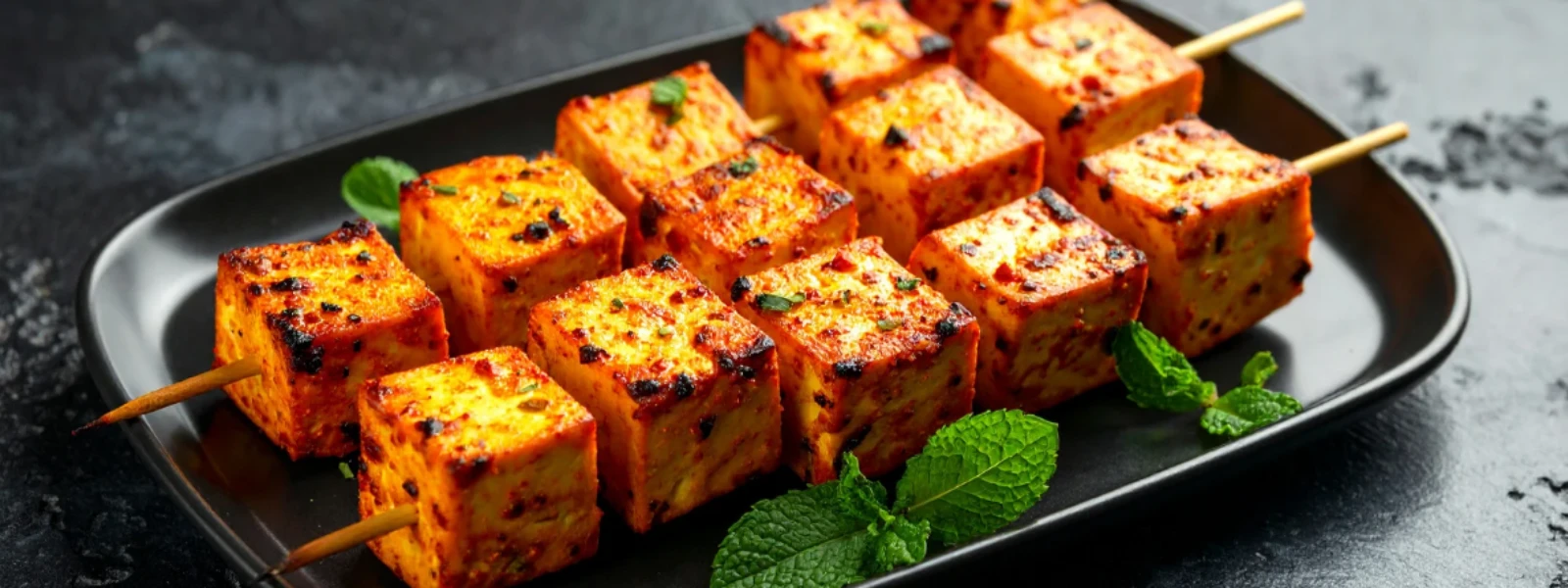
To hit your protein targets effectively, consider these approaches: 150 grams of paneer gives you roughly 27-37 grams of protein—perfect for post-workout recovery. Grilled paneer tikka, paneer bhurji with vegetables, or simply cubed paneer in salads all preserve the protein content while adding variety. For pre-workout fuel, try 75-100 grams of paneer with some fruit. The combination provides both quick and sustained energy. Post-workout, pair paneer with complex carbs like quinoa or brown rice to optimize recovery.
Grilling, steaming, and light sautéing preserve paneer's protein content best. Deep frying can reduce protein bioavailability and adds unnecessary calories. Raw paneer in salads or as snacks maintains maximum nutritional value.
For most adults, 100-150 grams of paneer daily provides 18-37 grams of high-quality protein. This should be part of a varied diet, not your sole protein source. Athletes or those with higher protein needs might consume up to 200 grams daily.
For healthy adults, 200 grams of paneer daily is generally safe and provides 36-50 grams of protein. However, this also means 530-640 calories and significant saturated fat intake. Balance it with other protein sources and monitor your overall caloric intake.
To get 30 grams of protein, you'd need approximately 120-165 grams of paneer, depending on the type. This translates to about 6-8 medium-sized paneer cubes or roughly 3/4 cup of crumbled paneer.
Paneer's slow-digesting casein makes it excellent before bed for overnight muscle recovery. It's also great post-workout when combined with faster proteins, or as a mid-day snack to maintain steady amino acid levels.
While paneer provides excellent protein, it digests slower than whey and comes with additional calories from fat. For immediate post-workout needs, whey might be superior. However, for overall daily protein intake and sustained nutrition, paneer offers unique advantages that supplements can't match.
Homemade paneer often has higher moisture content, which can slightly reduce protein density per gram. However, you control the milk quality and preparation method. Store-bought varieties are more standardized but may contain additives. Both provide excellent protein when made from quality milk.
Paneer delivers impressive protein content—18-25 grams per 100 grams—along with complete amino acid profiles and additional nutrients like calcium and B vitamins. Its versatility, cost-effectiveness, and sustained protein release make it a valuable addition to any nutrition plan, whether you're building muscle, managing weight, or simply seeking quality nutrition. The key is understanding that paneer isn't just about protein numbers—it's about protein quality, nutrient density, and how it fits into your overall dietary pattern.


Someone sent you
Powered by ReferRush