


Nutrient Deficiencies: Foods That Heal & Restore

Get personalised recommendations with our assessment.
Personalised Health Diagnosis (PHD)
Your body is a complex machine that requires over 40 essential nutrients to function optimally. Yet millions of people worldwide struggle with nutrient deficiencies that silently sabotage their health, energy, and vitality. The modern diet, filled with processed foods and stripped of natural nutrients, has created a hidden health crisis. But here's the rebellious truth the wellness industry doesn't want you to know: you don't need expensive supplements or complicated protocols. The most powerful healing tools are sitting right in your kitchen. Real, whole foods possess an unmatched ability to restore what your body lacks and rebuild your health from the ground up.
Nutrient deficiencies aren't just about feeling tired or run down. They're systematic breakdowns that affect every cell in your body. When your system lacks essential vitamins and minerals, it triggers a cascade of health issues that conventional medicine often treats as separate problems. The most common deficiencies plaguing modern adults include iron deficiency anemia, vitamin D insufficiency, B12 depletion, folate shortages, and zinc deficits. These aren't rare conditions affecting a small population. Iron deficiency alone impacts over 2 billion people globally, making it the most widespread nutritional disorder worldwide.
Your body communicates deficiencies through specific signals. Persistent fatigue, brittle nails, hair loss, frequent infections, poor wound healing, and mood changes aren't just signs of stress. They're your system's way of screaming for specific nutrients.
Certain lifestyle factors dramatically increase your risk. Restrictive diets, chronic stress, poor gut health, excessive alcohol consumption, and certain medications all interfere with nutrient absorption. Even seemingly healthy choices like drinking too much tea or coffee can block iron absorption.
Iron deficiency anemia affects your body's ability to transport oxygen, leaving you exhausted and weak. But the solution isn't just eating more iron-rich foods. It's about understanding how to maximize absorption and avoid the foods that sabotage your efforts. The best foods for anemia include both heme and non-heme iron sources. Heme iron, found in animal products, absorbs more efficiently than plant-based non-heme iron. Lean red meat, organ meats like liver, and seafood provide the most bioavailable iron your body can use immediately.
For those following plant-based diets, spinach, lentils, chickpeas, quinoa, and fortified cereals offer substantial iron content. The key is pairing these foods with vitamin C-rich options like citrus fruits, bell peppers, or strawberries to enhance absorption.
Avoid drinking tea, coffee, or milk with iron-rich meals. These beverages contain compounds that significantly reduce iron uptake. Calcium supplements and antacids also interfere with iron absorption when taken simultaneously.
Vitamin B12 deficiency creates a perfect storm of fatigue, brain fog, and mood disturbances. This essential vitamin powers your nervous system and helps produce red blood cells. Without adequate B12, your energy production grinds to a halt. The best foods for energy through B12 include eggs, dairy products, fish like salmon and sardines, and lean meats. These animal-based sources provide the most bioavailable form of B12 your body recognizes and uses efficiently.
Vegetarians and vegans face unique challenges since B12 occurs naturally only in animal products. Fortified cereals, nutritional yeast, and nori seaweed provide some B12, but absorption varies significantly. Regular monitoring becomes crucial for those avoiding animal products.
Your stomach produces intrinsic factor, a protein essential for B12 absorption. Age, certain medications, and digestive disorders can impair this process, making dietary sources less effective even when consumed regularly.
Vitamin D and calcium work together to build and maintain strong bones. This partnership extends beyond bone health, influencing immune function, muscle strength, and cardiovascular health. Most people focus solely on calcium while ignoring vitamin D, creating an incomplete approach to bone nutrition. Fatty fish like mackerel, salmon, and tuna provide substantial vitamin D along with healthy omega-3 fatty acids. Egg yolks from pasture-raised chickens and fortified foods offer additional sources, though natural food sources remain limited.
While dairy products provide easily absorbed calcium, many people can't or choose not to consume them. Dark leafy greens like collard greens and bok choy, canned sardines with bones, almonds, and fortified plant milks offer excellent calcium alternatives.
Magnesium, vitamin K, and vitamin D all support calcium absorption and utilization. Eating calcium-rich foods alongside magnesium sources like nuts and seeds creates synergistic effects that maximize bone-building potential.
Mineral deficiencies often fly under the radar but create significant health impacts. Zinc deficiency weakens immune function, impairs wound healing, and affects taste and smell. Magnesium deficiency contributes to muscle cramps, sleep disturbances, and anxiety. Folate deficiency particularly affects pregnant women and can cause serious birth defects. Oysters contain more zinc per serving than any other food, but pumpkin seeds, chickpeas, and cashews provide excellent plant-based alternatives. These foods support immune system function and help maintain healthy skin and hair.
Dark chocolate, nuts, seeds, and whole grains deliver substantial magnesium while satisfying cravings. These foods help regulate muscle and nerve function, support healthy sleep patterns, and maintain steady energy levels throughout the day.
Leafy greens like spinach and kale, legumes, asparagus, and fortified grains provide folate essential for DNA synthesis and red blood cell formation. This vitamin becomes critically important during pregnancy and periods of rapid growth.
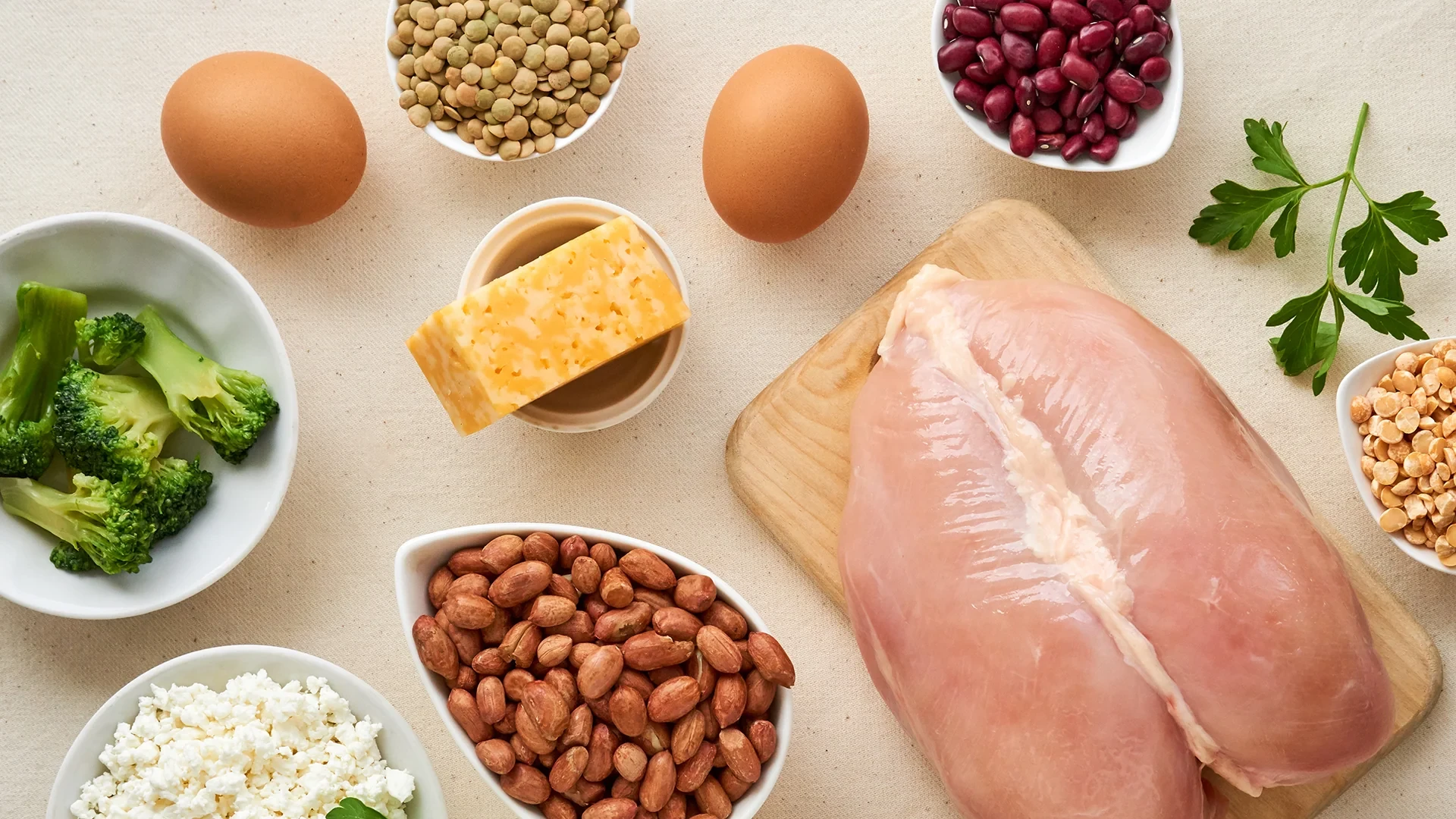
Certain foods pack multiple nutrients into single servings, making them incredibly efficient for addressing several deficiencies simultaneously. These nutritional powerhouses simplify meal planning while maximizing nutrient density. Eggs deserve recognition as one of nature's most complete foods. They provide B12, vitamin D, high-quality protein, choline for brain health, and selenium for antioxidant protection. A single egg delivers nutrients that would require multiple supplements to match. Leafy greens like spinach and kale contain iron, folate, vitamin K, vitamin C, and numerous antioxidants. These vegetables support everything from blood formation to bone health to immune function.
Beans, lentils, and chickpeas provide iron, folate, zinc, protein, and fibre. These affordable foods support multiple body systems while promoting digestive health and stable blood sugar levels.
Salmon, sardines, and mackerel deliver vitamin D, B12, high-quality protein, and omega-3 fatty acids. These fish support brain health, reduce inflammation, and provide nutrients often lacking in modern diets.
Answer: Focus on whole, unprocessed foods that provide multiple nutrients per serving. Include a variety of colorful vegetables, lean proteins, whole grains, and healthy fats in your daily meals. Leafy greens, eggs, fatty fish, legumes, nuts, and seeds form the foundation of a nutrient-dense diet. Avoid processed foods that provide empty calories without essential vitamins and minerals.
Answer: Start by identifying your specific deficiencies through proper testing, then create a targeted eating plan. Increase foods rich in your lacking nutrients while improving absorption through smart food combinations. For example, pair iron-rich foods with vitamin C sources, and consume calcium with magnesium. Consistency matters more than perfection - aim for nutrient-dense choices at every meal.
Answer: No single food contains all 13 essential vitamins in meaningful amounts. This is why dietary variety remains crucial for optimal nutrition. However, some foods like eggs, liver, and fatty fish come close by providing multiple vitamins simultaneously. The best approach involves eating a diverse range of whole foods rather than searching for one magical superfood.
Answer: Many mild to moderate deficiencies can be corrected through dietary changes alone, but severe deficiencies often require supplementation initially. The timeline for improvement varies - iron deficiency may take 3-6 months to resolve, while B12 deficiency can take longer. Work with a healthcare provider to monitor progress and determine when food alone becomes sufficient for maintaining optimal levels.
Nutrient deficiencies don't have to control your health destiny. The most powerful healing tools exist in whole, real foods that work synergistically to restore what your body lacks. Focus on nutrient density over calorie counting, embrace food combinations that enhance absorption, and remember that consistency trumps perfection. Your body has an remarkable ability to heal and restore itself when given the right raw materials. By choosing foods to combat nutrient deficiencies strategically and understanding how different nutrients work together, you're not just addressing symptoms - you're rebuilding your health from the cellular level up. The path to optimal nutrition doesn't require expensive supplements or complicated protocols. It requires a return to real food and an understanding of how to use it as medicine.


Someone sent you
Powered by ReferRush