


Metabolic Health Foods: Your Complete FAQ Guide

Get personalised recommendations with our assessment.
Personalised Health Diagnosis (PHD)
Your metabolism isn't just about burning calories—it's the foundation of your entire health ecosystem. The right foods can literally rewire your metabolic machinery, transforming how your body processes energy, stores fat, and maintains optimal health. This isn't about restrictive dieting or chasing the latest superfood trend. It's about understanding which foods scientifically support your metabolic health and how to use them strategically.
Metabolic health goes far beyond your metabolic rate—the speed at which you burn calories. True metabolic health encompasses five critical markers: blood sugar levels, triglycerides, HDL cholesterol, blood pressure, and waist circumference. When these markers fall within optimal ranges without medication, you've achieved what researchers call metabolic flexibility. Food directly impacts every aspect of metabolic function. Every bite you take triggers a cascade of hormonal responses that either support or sabotage your metabolic machinery. Insulin sensitivity, thyroid function, and cellular energy production all depend on the nutrients you provide your body. The metabolic health diet isn't about restriction—it's about precision.
Blood sugar stability forms the cornerstone of metabolic wellness. When you consume foods that cause dramatic glucose spikes, your body scrambles to produce insulin, often overshooting and creating energy crashes. Triglycerides reflect how well your body processes fats, while HDL cholesterol indicates your cardiovascular metabolic efficiency.
Ultra-processed foods dominate modern diets, stripping away the nutrients essential for metabolic function while flooding your system with inflammatory compounds. This creates a perfect storm of insulin resistance, chronic inflammation, and metabolic slowdown. Understanding foods for metabolic syndrome becomes crucial for reversing this damage.
The Thermic Effect of Food (TEF) represents the energy cost of digesting, absorbing, and processing nutrients. Not all calories are created equal—protein requires 20-30% more energy to process compared to carbohydrates (8-15%) or fats (0-3%). This means choosing the right foods to boost metabolism can literally increase your daily energy expenditure. Thermogenesis, your body's heat production process, can be significantly influenced by specific compounds found in foods. Capsaicin from chili peppers, catechins from green tea, and caffeine all trigger thermogenic responses that elevate metabolic rate for hours after consumption.
Iron deficiency slashes metabolic rate by up to 20%, as this mineral is essential for oxygen transport and cellular energy production. Magnesium participates in over 300 enzymatic reactions, many directly related to energy metabolism. B-vitamins serve as cofactors in the conversion of food into cellular energy.
Studies show capsaicin can increase energy expenditure by 50 calories per day—seemingly small, but equivalent to 5 pounds of fat loss annually. EGCG from green tea enhances fat oxidation by 17%, while chlorogenic acid in coffee improves glucose metabolism and insulin sensitivity.
The most effective metabolism boosting foods list focuses on nutrient density, thermic effect, and metabolic support compounds. These foods don't just burn calories—they optimize the entire metabolic process from cellular energy production to hormone regulation. Protein-rich foods top the list for their exceptional thermic effect and muscle-preserving properties. Lean meats provide complete amino acid profiles essential for metabolic enzyme production, while fish delivers omega-3 fatty acids that reduce inflammation and improve insulin sensitivity.
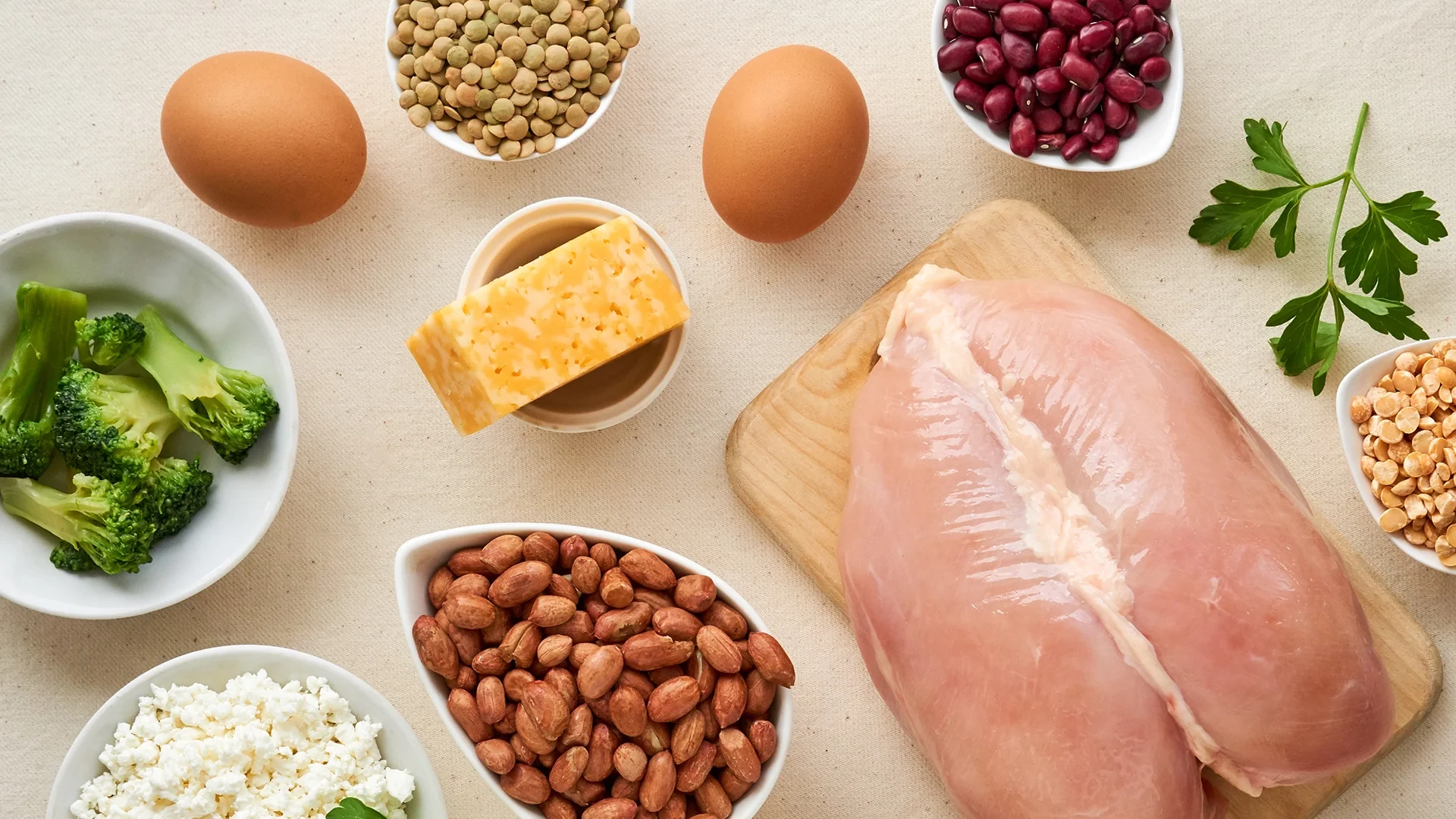
Chicken breast contains 31 grams of protein per 100 grams with minimal saturated fat, making it ideal for muscle maintenance and metabolic support. Wild-caught salmon provides both high-quality protein and omega-3s that enhance metabolic flexibility. Eggs offer the highest biological value protein, meaning your body can utilize nearly 100% of their amino acids.
Chili peppers contain capsaicin, which can increase metabolic rate by 5% for up to 3 hours post-consumption. Broccoli requires significant energy to digest while providing vitamin C essential for carnitine synthesis—a compound crucial for fat burning. Spinach delivers iron and nitrates that improve cellular oxygen utilization.
Green tea's EGCG content can increase fat oxidation by 17% when combined with exercise. Coffee's chlorogenic acid improves glucose metabolism and can boost metabolic rate by 3-11%. Beans and lentils provide resistant starch that feeds beneficial gut bacteria, improving metabolic health from the inside out.
A strategic diet for healthy metabolism focuses on meal timing, macronutrient balance, and food combinations that optimize metabolic function throughout the day. This isn't about perfection—it's about consistency and making choices that support your body's natural metabolic rhythms. Morning represents your metabolic reset opportunity. After an overnight fast, your body is primed to efficiently process nutrients and establish stable blood sugar patterns for the day ahead.
Breakfast should emphasize protein and healthy fats to stabilize blood sugar and provide sustained energy. A combination of eggs with avocado and vegetables delivers protein, healthy fats, and fibre that keep insulin levels stable. Greek yogurt with nuts and berries provides probiotics for gut health alongside metabolism-supporting nutrients.
Our protein-rich smoothie combines plant-powered nutrition with metabolism superfoods. Blend spinach, berries, protein powder, and a tablespoon of ground flaxseed for a nutrient-dense meal that supports metabolic function. For lunch, try a quinoa bowl with grilled chicken, roasted vegetables, and a tahini dressing that provides complete proteins and healthy fats.
Eating protein within 30 minutes of waking kickstarts your metabolic rate and supports muscle protein synthesis. Consuming your largest meal earlier in the day aligns with your body's natural circadian rhythms, when insulin sensitivity is highest. Evening meals should be lighter, focusing on easily digestible proteins and vegetables.
Certain foods actively sabotage metabolic function, creating inflammation, insulin resistance, and metabolic slowdown. Ultra-processed foods strip away nutrients while adding inflammatory compounds that disrupt normal metabolic signaling. Understanding what to avoid is equally important as knowing which foods that support metabolism. Added sugars trigger dramatic insulin spikes that promote fat storage and create energy crashes. High-fructose corn syrup is particularly problematic, as it bypasses normal satiety signals and directly promotes liver fat accumulation.
Foods with more than five ingredients, especially those you can't pronounce, often contain preservatives and additives that disrupt gut bacteria and metabolic function. These foods are engineered to be hyperpalatable, overriding natural hunger and satiety cues.
Eating large meals late at night works against your body's natural circadian rhythms, when insulin sensitivity is lowest. Skipping meals can actually slow metabolic rate as your body enters conservation mode. Irregular eating patterns disrupt metabolic hormones and blood sugar stability.
The five most effective metabolism-boosting foods are lean proteins (chicken, fish), chili peppers for capsaicin, green tea for EGCG, eggs for complete amino acids, and broccoli for its high thermic effect. These foods increase energy expenditure through various mechanisms including thermogenesis and protein synthesis.
Focus on whole, unprocessed foods with emphasis on lean proteins, fiber-rich vegetables, and healthy fats. Prioritize foods with high thermic effects and avoid ultra-processed options. Consistent meal timing and adequate protein intake at each meal support optimal metabolic function.
Foods rich in omega-3 fatty acids, fibre, and antioxidants can help reverse metabolic syndrome markers. Include fatty fish, leafy greens, berries, nuts, and legumes while eliminating added sugars and refined carbohydrates. These dietary changes can improve insulin sensitivity and reduce inflammation.
Aim for 0.8-1.2 grams of protein per kilogram of body weight, distributed across meals. Active individuals may need up to 1.6 grams per kilogram. Consuming 20-30 grams of protein per meal optimizes muscle protein synthesis and metabolic rate.
Consume protein-rich foods throughout the day, with emphasis on morning and post-workout periods. Eat your largest meals earlier when insulin sensitivity is highest. Include metabolism-boosting spices and teas between meals to maintain elevated metabolic rate.
Women benefit from iron-rich foods like lean meats and spinach, calcium sources for bone health, and foods supporting hormone balance like fatty fish and flaxseeds. During menstrual cycles, increased iron needs make metabolism-supporting foods even more crucial.
Avoid foods marketed as "fat burners" with unproven ingredients or excessive stimulants. Many commercial metabolism supplements contain synthetic compounds that can disrupt natural metabolic processes. Stick to whole foods with proven metabolic benefits.
Blood sugar improvements can occur within days, while metabolic rate changes typically manifest within 2-4 weeks of consistent dietary changes. Sustainable metabolic health improvements develop over 3-6 months of consistent nutrition and lifestyle practices.
Optimizing metabolic health through food choices represents one of the most powerful tools for long-term wellness. The science is clear: specific foods can enhance your body's ability to process energy, maintain stable blood sugar, and support optimal metabolic function. Success lies not in perfection, but in consistently choosing nutrient-dense, minimally processed options that work with your body's natural systems. Remember that metabolic health is a journey, not a destination. Small, consistent changes in food choices compound over time, creating significant improvements in energy, body composition, and overall health markers. Focus on adding beneficial foods rather than restricting, and allow your taste preferences to adapt to these nourishing options. Your metabolism will thank you with sustained energy, improved body composition, and enhanced overall vitality.


Someone sent you
Powered by ReferRush