


Protein and Peanut Butter: A Complete Guide

Get personalised recommendations with our assessment.
Personalised Health Diagnosis (PHD)
Peanut butter sits in nearly every pantry, but most people underestimate its protein punch. This creamy spread delivers more than just flavor—it's a legitimate protein source that can support your fitness goals and daily nutrition needs. Whether you're building muscle, managing weight, or simply trying to optimize your diet, understanding peanut butter's protein content helps you make smarter food choices. The numbers might surprise you, especially when you compare them to other popular protein sources.
Let's cut straight to the numbers. A standard 2-tablespoon serving of peanut butter contains approximately 7-8 grams of protein. That translates to about 4 grams per tablespoon, making it a surprisingly dense protein source for such a small serving size. Per 100 grams, peanut butter delivers around 25 grams of protein. This puts it in the same league as many dedicated protein foods. To put this in perspective, that's roughly equivalent to the protein in 3-4 ounces of chicken breast or a large egg.
Compared to other nuts, peanuts (technically legumes) offer more protein per serving than most tree nuts. Almonds provide about 6 grams per ounce, while walnuts deliver only 4 grams. This makes peanut butter a smart choice for anyone looking to boost their protein intake through whole food sources.
For the average adult needing 50-60 grams of protein daily, a 2-tablespoon serving of peanut butter contributes about 13-16% of that requirement. For athletes or those with higher protein needs (1.2-2.0 grams per kilogram of body weight), peanut butter becomes an excellent supplementary source.
Peanut butter isn't just about protein—it's a complex nutritional package. Understanding the complete macronutrient breakdown helps you see how it fits into your overall nutrition strategy. A 2-tablespoon serving contains approximately 190 calories, with protein making up about 16% of those calories. The remaining calories come from healthy fats (about 16 grams) and a small amount of carbohydrates (8 grams). This combination creates a satisfying, energy-dense food that supports sustained energy levels.
While peanut butter provides quality protein, it's not technically a complete protein source. It's lower in certain essential amino acids like lysine and methionine. However, this doesn't make it inferior—combining peanut butter with complementary proteins throughout the day easily fills these gaps.
Beyond macronutrients, peanut butter delivers impressive amounts of niacin, vitamin E, magnesium, and potassium. These nutrients support everything from energy metabolism to muscle function, making peanut butter a nutrient-dense choice rather than empty calories.
Not all peanut butter is created equal when it comes to protein content. Understanding the differences helps you choose the best option for your nutritional goals. Natural peanut butter typically contains the highest protein concentration because it has fewer added ingredients diluting the peanut content. These varieties usually contain just peanuts and salt, maximizing the protein-to-calorie ratio.
Some brands now offer protein-enhanced peanut butter with added protein powder. These products can contain up to 10-12 grams of protein per serving, making them particularly appealing for strength training nutrition needs.
Organic peanut butter doesn't necessarily contain more protein, but it may offer cleaner nutrition without pesticide residues. The protein content remains relatively consistent across organic and conventional options, typically varying by only 1-2 grams per serving.
The protein in peanut butter offers several advantages for active individuals and fitness enthusiasts. Understanding how your body processes this plant-based protein helps optimize timing and portions. Peanut butter protein digests at a moderate rate, making it suitable for both pre and post-workout nutrition. The combination of protein and healthy fats provides sustained amino acid release, supporting muscle protein synthesis over several hours.
While not as fast-acting as whey protein, peanut butter's protein profile supports muscle recovery when consumed as part of a balanced post-workout meal. The healthy fats also help with the absorption of fat-soluble vitamins and provide anti-inflammatory benefits.
For strength training nutrition, peanut butter works best as part of a broader protein strategy rather than a standalone source. Its calorie density makes it excellent for those looking to gain lean mass, while the protein content supports muscle maintenance during training phases.
Maximizing peanut butter's protein benefits requires smart integration into your overall nutrition plan. The key lies in understanding portion control and complementary protein pairing. A typical serving size (2 tablespoons) provides optimal protein-to-calorie efficiency. Going beyond this serving size quickly adds calories without proportionally increasing protein, which may not align with certain fitness goals.
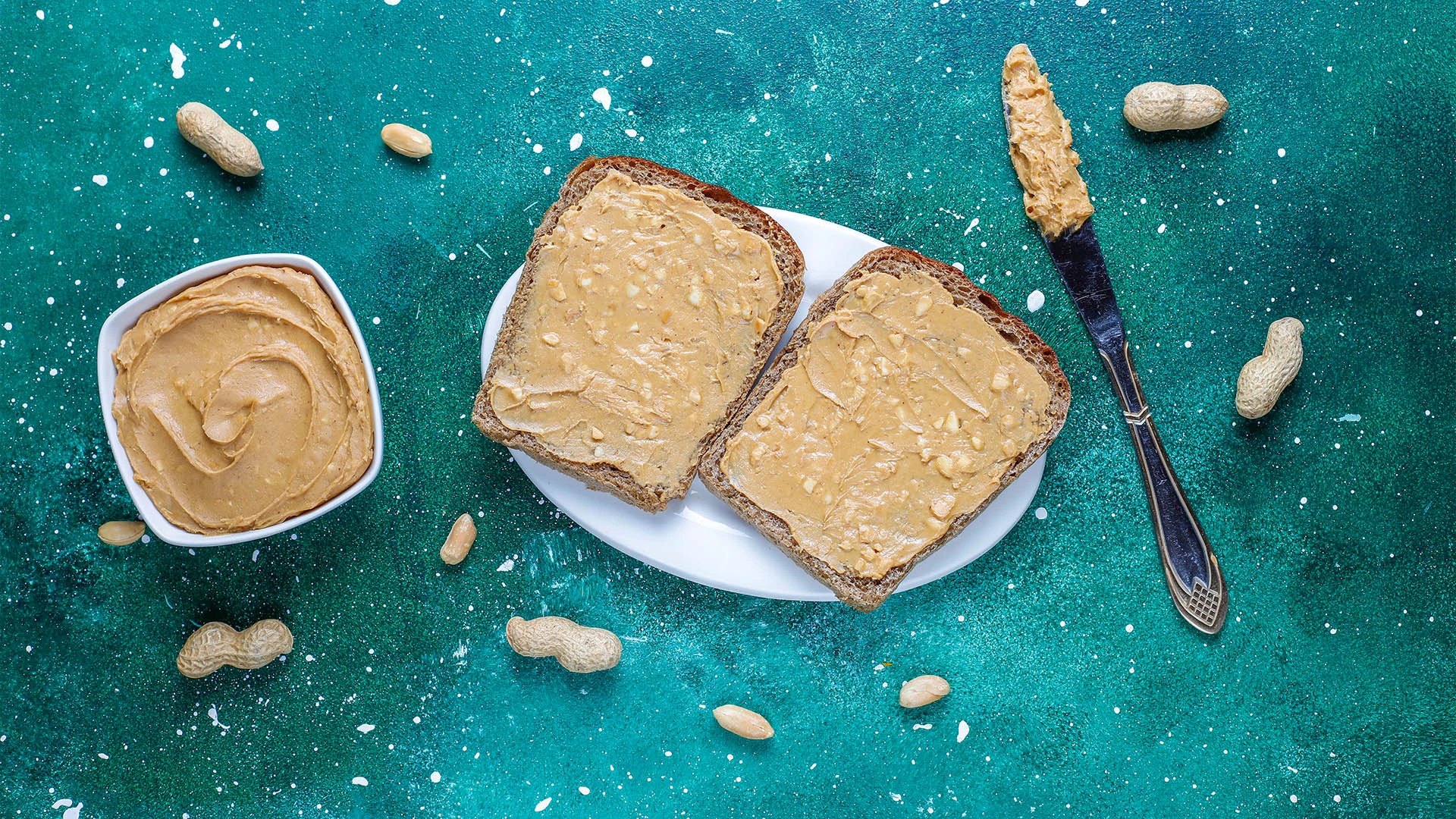
Pairing peanut butter with whole grains, dairy, or other protein sources creates more complete amino acid profiles. Classic combinations like peanut butter on whole grain bread or mixed into oatmeal optimize protein quality while creating satisfying, balanced meals.
For athletes and active individuals, consuming peanut butter 1-2 hours before workouts provides sustained energy without causing digestive discomfort. Post-workout, it works well combined with faster-digesting proteins for comprehensive recovery nutrition.
Answer: One tablespoon of peanut butter contains approximately 4 grams of protein. This makes it a convenient way to add moderate amounts of protein to meals and snacks without significantly increasing portion sizes.
Answer: No, peanut butter is not considered a complete protein because it's lower in certain essential amino acids like lysine and methionine. However, consuming it as part of a varied diet easily provides all essential amino acids throughout the day.
Answer: Peanut butter works well at any time of day for protein intake. Its moderate digestion rate makes it suitable for breakfast, pre-workout snacks, or evening meals. The combination of protein and healthy fats provides sustained amino acid release.
Answer: While protein powder offers higher protein concentration per calorie, peanut butter provides additional nutrients like healthy fats, fibre, and micronutrients. For overall nutrition, peanut butter offers more comprehensive benefits, while protein powder excels for pure protein supplementation.
Answer: Yes, peanut butter serves as an excellent protein source for vegans and vegetarians. While not complete on its own, it contributes significantly to daily protein needs and pairs well with plant-based foods to create complete amino acid profiles.
Answer: In a 2-tablespoon serving containing about 190 calories, approximately 30-32 calories come from protein (8 grams × 4 calories per gram). This represents about 16% of the total calories, making it a protein-dense food despite its calorie content.
Peanut butter delivers solid protein content with 7-8 grams per 2-tablespoon serving, making it a legitimate protein source for various nutritional goals. While not a complete protein, it contributes meaningfully to daily protein requirements and offers additional nutritional benefits through healthy fats and micronutrients.
The key to maximizing peanut butter's protein potential lies in strategic consumption—using appropriate portions, timing intake around your activity levels, and combining it with complementary proteins. Whether you're supporting strength training nutrition, managing weight, or simply optimizing your diet, peanut butter provides a convenient, tasty way to boost protein intake while delivering comprehensive nutrition that processed protein sources often lack.


Someone sent you
Powered by ReferRush