


Foods for Better Metabolic Health: Your Guide

Get personalised recommendations with our assessment.
Personalised Health Diagnosis (PHD)
Your metabolism isn't just about burning calories—it's the engine that powers every cell in your body. From converting food into energy to regulating hormones and maintaining cellular repair, metabolic health determines how efficiently your body operates. The foods you choose directly influence this complex system, either supporting optimal function or creating roadblocks that slow you down. Understanding which foods for better metabolic health can transform your energy levels, weight management, and overall wellness isn't just trendy science—it's foundational to living your best life. This guide cuts through the noise to deliver evidence-based nutrition strategies that actually work.
Metabolism encompasses all the chemical reactions happening in your body right now. It's not just about weight loss—it's about how efficiently you convert nutrients into energy, build and repair tissues, and eliminate waste. Your metabolic health diet directly impacts this process through several key mechanisms.
The thermic effect of food (TEF) is one of the most fascinating aspects of metabolism. When you eat, your body burns calories just to digest, absorb, and process that food. Protein has the highest TEF, requiring 20-30% of its calories for processing, while carbs use 5-10% and fats only 0-3%. This means choosing protein-rich foods to boost metabolism literally makes your body work harder and burn more energy.
Key nutrients that support metabolic function include B vitamins for energy production, iron for oxygen transport, magnesium for enzyme function, and omega-3 fatty acids for cellular efficiency. Research shows that certain compounds like capsaicin from chili peppers and catechins from green tea can temporarily increase metabolic rate by 4-5%. While this might seem small, these effects compound over time when you consistently include metabolism boosting foods in your daily routine.
Not all foods are created equal when it comes to metabolic support. Some require more energy to process, others contain compounds that directly stimulate metabolic pathways, and many provide essential nutrients your metabolism needs to function optimally.
Lean proteins are the ultimate foods for metabolic support because of their high thermic effect. Chicken breast, fish, eggs, and lean cuts of meat require significant energy to digest and provide complete amino acid profiles for muscle maintenance. Plant-based options like lentils, chickpeas, and quinoa offer similar benefits while adding fibre that further supports metabolic health.
Certain foods naturally increase your body's heat production, temporarily boosting metabolic rate. Chili peppers contain capsaicin, which can increase calorie burning for hours after eating. Green tea and coffee provide caffeine plus additional compounds like EGCG that enhance fat oxidation. Ginger, cinnamon, and turmeric offer warming effects while providing anti-inflammatory benefits that support overall metabolic function.
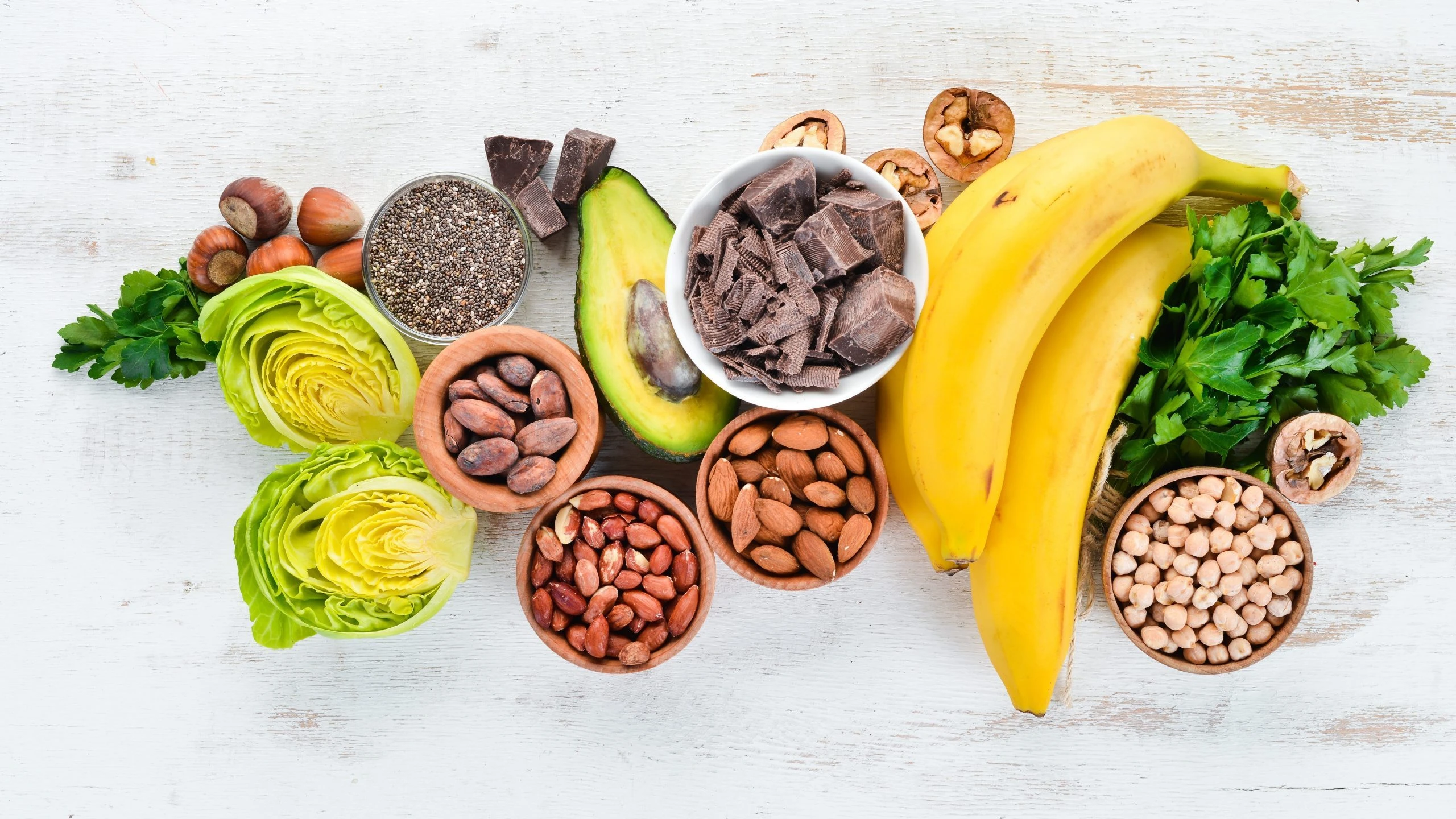
Whole grains like oats and brown rice require more energy to digest than refined versions while providing B vitamins essential for energy metabolism. Nuts and seeds offer healthy fats, protein, and magnesium—a mineral crucial for over 300 enzymatic reactions. Berries pack antioxidants that protect cellular machinery, while leafy greens and cruciferous vegetables provide nutrients that support liver detoxification and thyroid function.
Women face unique metabolic challenges due to hormonal fluctuations, iron needs, and differences in muscle mass. Understanding these factors helps optimize your healthy eating for metabolism approach based on your body's specific requirements.
Iron deficiency significantly impacts metabolic rate because iron is essential for thyroid hormone production and oxygen transport. Women need nearly twice as much iron as men, making iron-rich foods like lean red meat, spinach, and legumes particularly important. Pairing these with vitamin C sources like citrus fruits enhances absorption.
Calcium and vitamin D work together to support metabolic health through their roles in muscle function and hormone regulation. Research suggests adequate calcium intake may help with weight management by influencing how fat cells store and break down fat.
Dairy products, fortified plant milks, and leafy greens provide calcium, while fatty fish and egg yolks offer vitamin D. Foods that support healthy estrogen metabolism become increasingly important as women age.
Cruciferous vegetables like broccoli and Brussels sprouts contain compounds that help the liver process estrogen efficiently, while flaxseeds provide lignans that may help balance hormone levels.
Building a sustainable diet for healthy metabolism isn't about restriction—it's about strategic choices that support your body's natural processes. Focus on creating balanced meals that combine protein, fibre, and healthy fats to optimize the thermic effect while providing steady energy. Start each meal with a protein source to maximize TEF and promote satiety. Add fibre-rich vegetables or whole grains to slow digestion and prevent blood sugar spikes. Include a small amount of healthy fat from sources like avocado, nuts, or olive oil to support hormone production and nutrient absorption. Timing matters too. Eating larger meals earlier in the day when your metabolic rate is naturally higher can be more beneficial than heavy evening meals. Consider having your biggest meal at lunch and keeping dinner lighter with easily digestible proteins and vegetables.
Breakfast might include scrambled eggs with spinach and a slice of whole grain toast, providing protein, fibre, and B vitamins. Lunch could feature a quinoa bowl with grilled chicken, mixed vegetables, and a tahini dressing for complete amino acids and healthy fats. Dinner might be baked salmon with roasted broccoli and sweet potato, offering omega-3s, fibre, and complex carbohydrates.
Once you've mastered the basics, advanced strategies can further enhance your metabolic health. Understanding the difference between foods for energy metabolism and general calorie burning helps you make more targeted choices.
Intermittent fasting can enhance metabolic flexibility—your body's ability to switch between burning carbs and fats for fuel. When practicing time-restricted eating, focus on nutrient-dense foods during your eating window. Protein remains crucial for maintaining muscle mass during fasting periods.
Pre-workout nutrition should emphasize easily digestible carbs and some protein to fuel performance without causing digestive distress. Post-workout, prioritize protein within 30-60 minutes to support muscle recovery and maintain metabolic rate. Simple combinations like Greek yogurt with berries or a protein smoothie work well.
Hydration plays an often-overlooked role in metabolic function. Even mild dehydration can slow metabolic rate by 2-3%. Water also has a small thermic effect, and drinking cold water may slightly increase calorie burning as your body warms it to body temperature.
Answer: Protein-rich foods have the highest impact on metabolism due to their thermic effect. Lean meats, fish, eggs, and legumes require 20-30% of their calories just for digestion. Spicy foods with capsaicin and green tea also provide measurable metabolic boosts.
Answer: The top five include lean protein sources like chicken or fish, green tea for its catechins and caffeine, chili peppers for capsaicin, whole grains for their fiber content, and leafy greens for their nutrient density and low caloric cost.
Answer: Some effects are immediate—the thermic effect of protein begins within hours of eating. However, meaningful changes in overall metabolic health typically take 2-4 weeks of consistent dietary improvements to become noticeable.
Answer: While food choices significantly impact metabolic rate, combining proper nutrition with regular exercise, adequate sleep, and stress management provides the most substantial and lasting metabolic benefits.
Answer: Highly processed foods, excessive sugar, and trans fats can impair metabolic function. These foods often lack nutrients needed for optimal metabolism while promoting inflammation that can slow metabolic processes.
Answer: Aim for 0.8-1.2 grams per kilogram of body weight for basic needs, or up to 1.6-2.2 grams per kilogram if you're active. Spreading protein intake across meals maximizes the thermic effect throughout the day.
Optimizing your metabolic health through food choices isn't about quick fixes or extreme measures—it's about understanding how your body processes different nutrients and making informed decisions that support long-term wellness. Protein should form the foundation of your metabolic health recipes, while thermogenic foods like chili peppers and green tea can provide additional benefits.
Remember that metabolic health extends far beyond weight management. The foods you choose influence energy levels, hormone balance, cellular repair, and overall vitality. Focus on whole, minimally processed foods that provide both macronutrients and micronutrients your metabolism needs to function optimally.
Consistency matters more than perfection. Small, sustainable changes like adding more protein to each meal, including a serving of vegetables, and staying adequately hydrated can compound over time to create significant improvements in how efficiently your body operates. Your metabolism is an investment in your long-term health—choose foods that honor that investment.


Someone sent you
Error
Powered by ReferRush