


Essential Checklist: Plant-Based vs. Whey Protein for Your Goals

Get personalised recommendations with our assessment.
Personalised Health Diagnosis (PHD)
The protein powder aisle can feel like a battlefield. On one side, you've got the tried-and-true whey protein that's dominated gym bags for decades. On the other, plant-based proteins are gaining serious ground with their clean ingredient lists and environmental benefits. But here's the thing—choosing between plant-based vs whey protein isn't about following trends. It's about understanding which one aligns with your goals, your body, and your lifestyle. Let's cut through the noise and give you a practical checklist to make this decision with confidence.
Let's start with the basics. Whey protein comes from milk—it's the liquid part that separates during cheese production. Plant protein sources include pea, rice, hemp, and soy, often blended together to create complete amino acid profiles. Both serve the same fundamental purpose: delivering high-quality protein to support your fitness and health goals.
The key differences lie in their origins, absorption rates, and additional nutrients. Whey protein typically absorbs faster, hitting your bloodstream within 30-60 minutes. Plant proteins take a bit longer but offer fiber, antioxidants, and phytonutrients that whey simply can't match.
Here's what you need to know at a glance:
Absorption speed: Whey wins for rapid uptake, plant protein provides sustained release
Amino acid completeness: Both can offer complete profiles when properly formulated
Digestibility: Plant proteins are gentler on sensitive stomachs
Additional nutrients: Plant proteins pack extra fiber and antioxidants
Environmental impact: Plant-based options have a significantly lower carbon footprint
When it comes to muscle building protein, both options can get the job done effectively. The real question is how they do it differently. Whey protein contains all nine essential amino acids in optimal ratios, particularly high levels of leucine—the amino acid that triggers muscle protein synthesis.
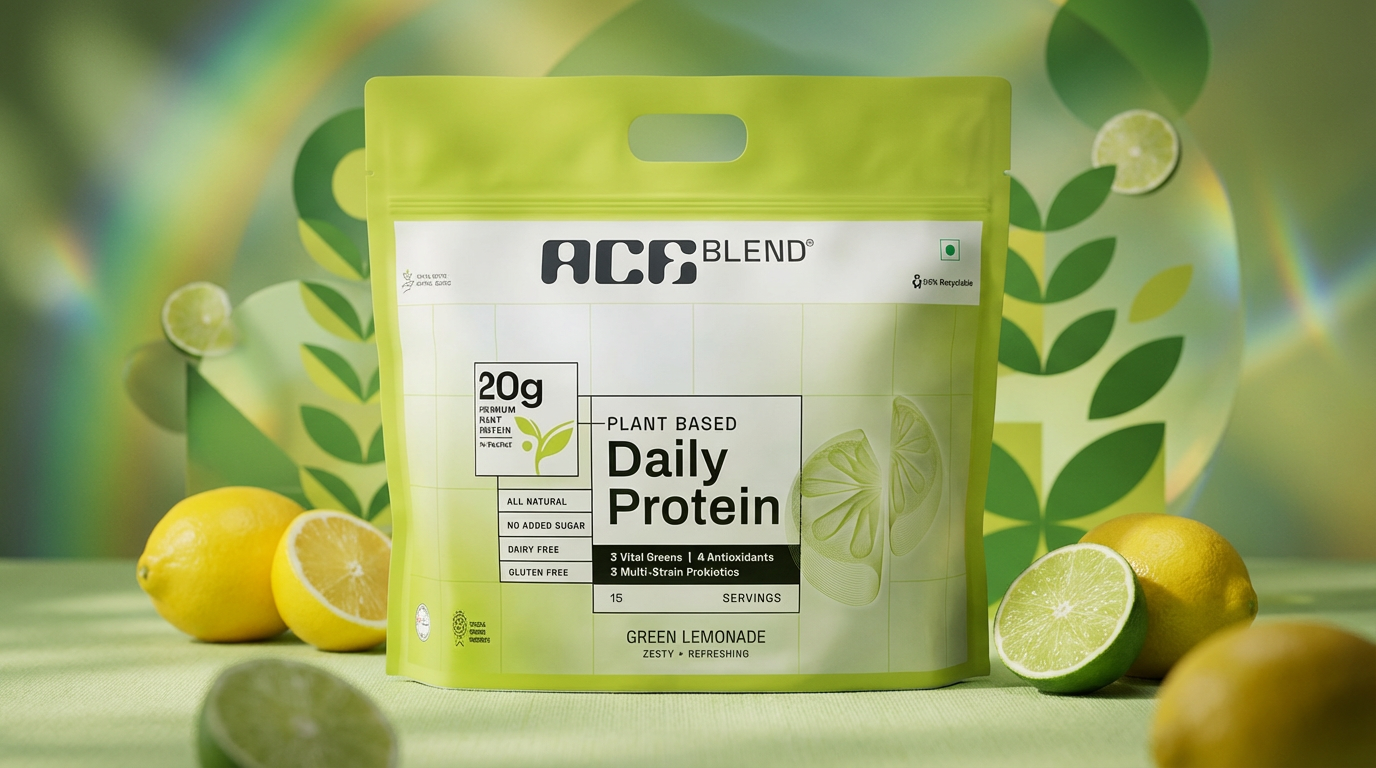
Plant proteins have evolved significantly. Modern formulations combine multiple protein sources to create complete amino acid profiles that rival whey. Our plant proteins, for instance, deliver complete amino acid profiles that support muscle growth just as effectively as traditional options.
The leucine content in your protein powder directly impacts muscle building. Whey naturally contains about 2.5-3g of leucine per 25g serving. Quality plant protein blends can match this through strategic sourcing and formulation.
Studies show that when total protein intake is adequate, both plant and whey proteins support similar muscle growth outcomes. The key is consistency and total daily protein intake, not just the source.
Your gut health plays a massive role in how well you absorb and utilize protein. This is where plant protein sources often shine. They're naturally easier on the digestive system and don't trigger lactose-related issues that affect roughly 65% of adults worldwide.
Plant proteins come with built-in fiber, which supports healthy digestion and feeds beneficial gut bacteria. This creates a positive cycle—better gut health leads to improved nutrient absorption, including the protein itself.
While whey protein has higher bioavailability scores in traditional testing, real-world results depend on individual tolerance. If you're dealing with bloating, gas, or digestive discomfort from whey, plant protein benefits become immediately apparent.
Plant protein supplements often contain natural antioxidants from their source ingredients. These compounds support recovery and overall health in ways that isolated whey protein simply cannot.
For weight loss goals, both protein types offer appetite control and metabolic benefits. However, plant proteins have some unique advantages that make them particularly effective for sustainable weight management.
The fiber content in plant proteins increases satiety and helps regulate blood sugar levels. This means you feel fuller longer and experience fewer energy crashes that lead to cravings.
Plant proteins typically provide more volume per calorie due to their fiber content. This psychological and physical fullness can be a game-changer for those managing portion sizes and hunger between meals.
The thermic effect of plant proteins—the energy cost of digestion—is slightly higher than whey protein. While the difference is modest, every bit counts in a weight loss journey.
Let's talk money. The protein supplements market has interesting pricing dynamics that don't always reflect production costs. Whey protein has been mass-produced for decades, creating economies of scale that keep prices relatively stable.
Plant protein pricing varies more widely because the market is newer and sources are more diverse. However, high-quality plant proteins often provide better value when you consider the additional nutrients and health benefits included.
When comparing costs, look beyond price per container. Calculate the cost per gram of protein, then factor in additional benefits like fiber, antioxidants, and digestibility. Plant proteins often win on overall value.
Here's your practical decision-making framework. Use this checklist to determine which protein powder aligns best with your specific needs and goals.
Start by honestly assessing your current situation and priorities. This isn't about what's theoretically best—it's about what works for your lifestyle and body.
Muscle building: Both work effectively with adequate total protein intake
Weight loss: Plant proteins offer satiety advantages
General health: Plant proteins provide broader nutritional benefits
Athletic performance: Consider timing and absorption preferences
Lactose intolerance: Plant protein is the clear choice
Vegan lifestyle: Plant protein aligns with your values
Food allergies: Check specific ingredients in both categories
Digestive sensitivity: Plant proteins are generally gentler
Taste preferences: Both categories offer excellent flavoring options
Mixability: Quality matters more than protein source
Environmental impact: Plant proteins have lower carbon footprints
Budget considerations: Calculate value per serving, not just upfront cost
Plant protein offers additional health benefits like fiber, antioxidants, and easier digestion. While both provide quality protein, plant options deliver broader nutritional value and are gentler on the digestive system.
Absolutely. When formulated with complete amino acid profiles, plant proteins support muscle growth just as effectively as whey. The key is choosing quality products and maintaining adequate total protein intake.
Plant proteins are generally easier to digest because they don't contain lactose and include natural fiber that supports gut health. People with sensitive stomachs often find plant options more comfortable.
Plant proteins have slight advantages for weight loss due to their fiber content, which increases satiety and helps regulate blood sugar. However, both can be effective when used as part of a balanced diet.
Quality plant protein blends combine multiple sources to create complete amino acid profiles. Modern formulations can match or exceed the amino acid completeness of whey protein.
While initial prices vary, plant proteins often provide better overall value when you factor in additional nutrients like fiber and antioxidants. Calculate cost per gram of protein plus additional benefits for accurate comparison.
The plant-based vs whey protein debate isn't about declaring a universal winner—it's about finding what works best for your unique situation. Both can effectively support your fitness goals when chosen thoughtfully.
Consider your digestive health, environmental values, and long-term wellness goals alongside your immediate fitness objectives. The best protein powder is the one you'll consistently use and that makes you feel your best. Whether that's a fast-absorbing whey or a nutrient-dense plant blend, consistency trumps perfection every time.


Someone sent you
Powered by ReferRush