


Essential Checklist for Clean Sports Hydration and Electrolytes

Get personalised recommendations with our assessment.
Personalised Health Diagnosis (PHD)
The sports drink aisle is flooded with neon-colored liquids promising peak performance, but most are loaded with synthetic ingredients that do more harm than good. Clean sports hydration isn't just a trend—it's a return to what your body actually needs for optimal performance and recovery. When you're pushing your limits, whether in the gym or on the field, your hydration choices can make or break your results. The difference between clean and conventional sports drinks isn't just about what's on the label; it's about how your body processes and utilizes these nutrients for sustained energy and recovery.
Clean sports hydration means choosing beverages free from artificial colors, synthetic sweeteners, and chemical preservatives. Unlike conventional sports drinks that rely on high fructose corn syrup and artificial additives, clean alternatives use natural ingredients your body recognizes and processes efficiently.
Traditional sports beverages often contain Red Dye 40, Blue 1, and other synthetic colors linked to hyperactivity and potential health concerns. These healthy sports beverages alternatives focus on function over flashy marketing, delivering what athletes actually need without the chemical baggage.
The impact on performance is significant. Artificial ingredients can cause digestive distress, energy crashes, and inflammation—exactly what you don't want during or after intense training. Clean energy drinks provide sustained fuel without the rollercoaster effect of synthetic stimulants and sugars.
Your body loses more than just water when you sweat. Essential electrolytes—sodium, potassium, magnesium, and chloride—maintain fluid balance, muscle function, and nerve transmission. Understanding electrolyte balance for exercise is crucial for maintaining peak performance and preventing cramping or fatigue.
During intense exercise, you can lose 200-700mg of sodium per hour through sweat. Potassium helps regulate muscle contractions, while magnesium supports energy production and prevents muscle cramps. Proper hydration for athletes means replacing these minerals in the right ratios, not just chugging plain water.
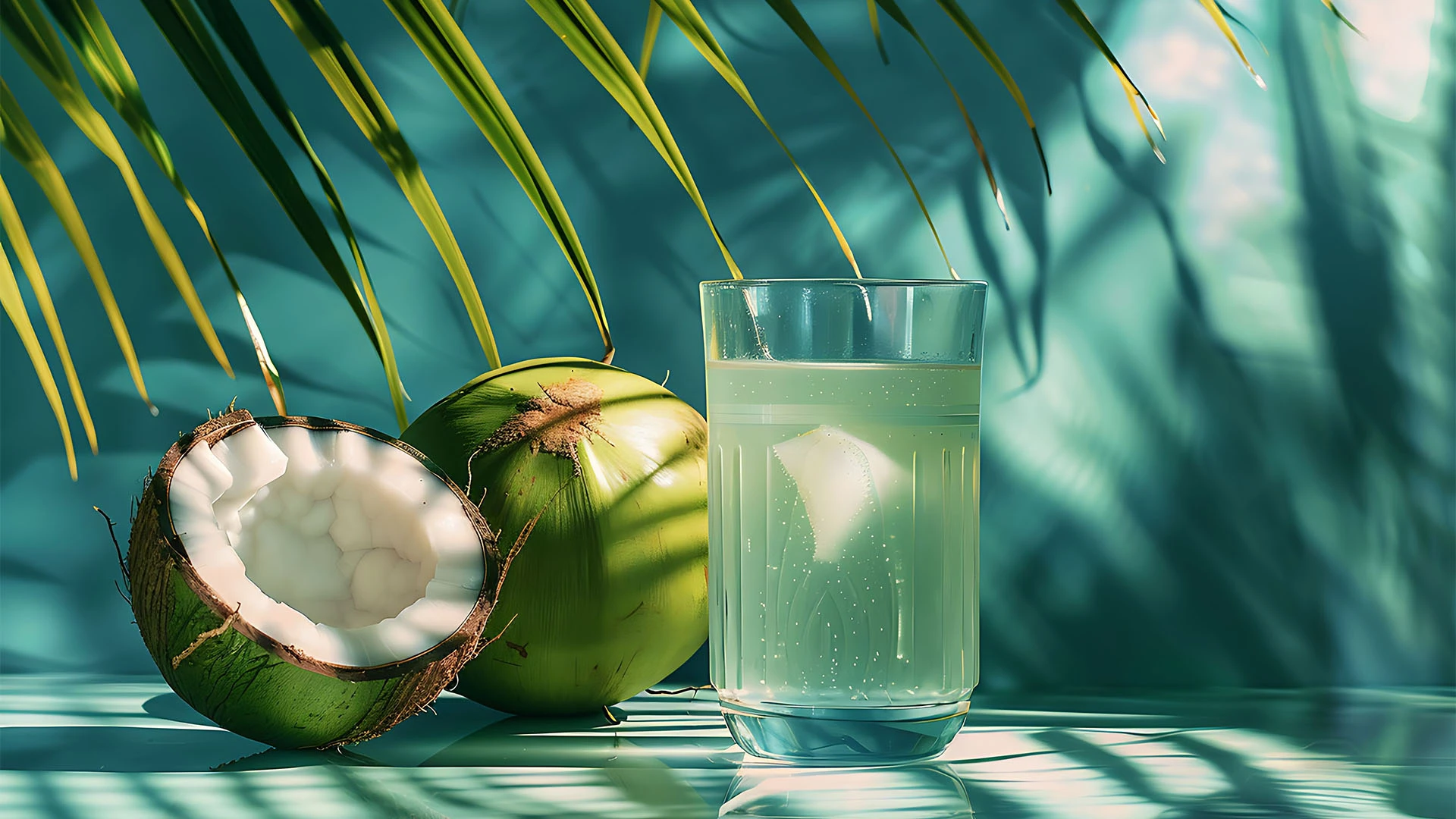
Natural electrolyte replenishment doesn't require synthetic supplements. Coconut water provides potassium and magnesium naturally, while sea salt offers bioavailable sodium and trace minerals. Fresh fruits like bananas and oranges contribute potassium and natural sugars for quick energy.
The key is timing. Pre-exercise hydration should begin 2-4 hours before activity, while during-exercise replacement depends on sweat rate and duration. Mineral replenishment for sports works best when nutrients come from whole food sources or minimally processed supplements.
High-sugar sports drinks create energy spikes followed by crashes that can derail your workout or competition. A quality sports drink without sugar maintains steady energy levels while providing essential electrolytes for optimal function.
Natural sweetening alternatives like stevia or monk fruit provide taste without the glycemic impact. Zero-sugar options work particularly well for longer endurance activities where sustained energy matters more than quick glucose hits. Performance hydration focuses on maintaining fluid balance and electrolyte status rather than providing empty calories.
The best sugar-free alternatives contain 200-300mg sodium per 8oz serving, balanced with potassium and magnesium. This ratio supports optimal fluid retention and muscle function without the digestive stress of excess sugar.
Timing your hydration strategy maximizes performance and recovery. Best sports nutrition practices start hours before you exercise and continue well after your last rep or mile.
Pre-exercise protocols involve drinking 16-20oz of fluid 2-4 hours before activity, followed by 8oz 15-20 minutes before starting. During exercise lasting over an hour, aim for 6-8oz every 15-20 minutes, adjusting based on sweat rate and environmental conditions.
Post-workout recovery drink strategies focus on replacing fluid losses and supporting muscle repair. The golden window for optimal recovery is within 30 minutes post-exercise, when your muscles are most receptive to nutrient uptake. Clean hydration during this period accelerates recovery and prepares your body for the next training session.
Making smart hydration choices requires knowing what separates clean products from marketing hype. This checklist helps you navigate the crowded sports drink market with confidence.
What to Look For:
Third-party tested ingredients for purity and potency
Minimal, recognizable ingredient lists
Proper sodium-to-potassium ratios (typically 3:1 or 4:1)
No artificial colors, flavors, or preservatives
Transparent labeling with exact amounts
Bioavailable mineral forms
What to Avoid:
High fructose corn syrup and artificial sweeteners
Synthetic dyes (Red 40, Blue 1, Yellow 6)
Chemical preservatives like sodium benzoate
Excessive caffeine or undisclosed stimulants
Proprietary blends without ingredient transparency
Added sugars exceeding 6-8g per serving
The cleanest electrolyte supplements contain bioavailable minerals without artificial additives, sugar, dyes, or fillers. Look for products with simple ingredient lists featuring sea salt, potassium chloride, and magnesium from natural sources. Third-party testing ensures purity and potency.
Yes, but daily needs depend on your activity level, climate, and sweat rate. Most people benefit from electrolyte supplementation during intense exercise lasting over an hour. For daily use, choose lower-sodium options unless you're training intensely or in hot conditions.
Natural options like coconut water provide balanced electrolytes with minimal processing, while clean supplement powders offer concentrated minerals without unnecessary additives. The best choice depends on your specific needs, taste preferences, and activity level.
The best sports drinks contain 200-300mg sodium per 8oz, minimal ingredients, and no artificial additives. Look for third-party tested products with transparent labeling that clearly state electrolyte amounts and sources.
Clean sports hydration isn't about following trends—it's about giving your body what it needs to perform and recover optimally. By choosing products with natural ingredients, proper electrolyte ratios, and transparent labeling, you're investing in long-term health and performance gains.
The transition from conventional sports drinks to clean alternatives might take some adjustment, but the benefits—sustained energy, better recovery, and reduced inflammation—make it worthwhile. Start by reading labels carefully, understanding your individual hydration needs, and choosing products that align with your health goals. Your body will thank you for making the switch to clean, effective hydration that actually works.


Someone sent you
Powered by ReferRush