


Digestive Enzymes: Your Guide to Better Nutrient Absorption

Get personalised recommendations with our assessment.
Personalised Health Diagnosis (PHD)
Your gut is working overtime, but are you getting the most out of every meal? Despite eating nutrient-dense foods, many people struggle with digestive discomfort, bloating, and suboptimal nutrient absorption. The culprit often lies in insufficient digestive enzyme production. Digestive enzymes for nutrient breakdown are the unsung heroes of your digestive system, transforming complex food molecules into absorbable nutrients that fuel your body's peak performance. Understanding how these biological catalysts work can revolutionize your approach to nutrition and wellness.
Digestive enzymes are specialized proteins that accelerate the breakdown of food into smaller, absorbable components. Think of them as molecular scissors, cutting complex nutrients into bite-sized pieces your body can actually use. Without adequate enzymes for digestion, even the most nutritious meals would pass through your system largely unprocessed.
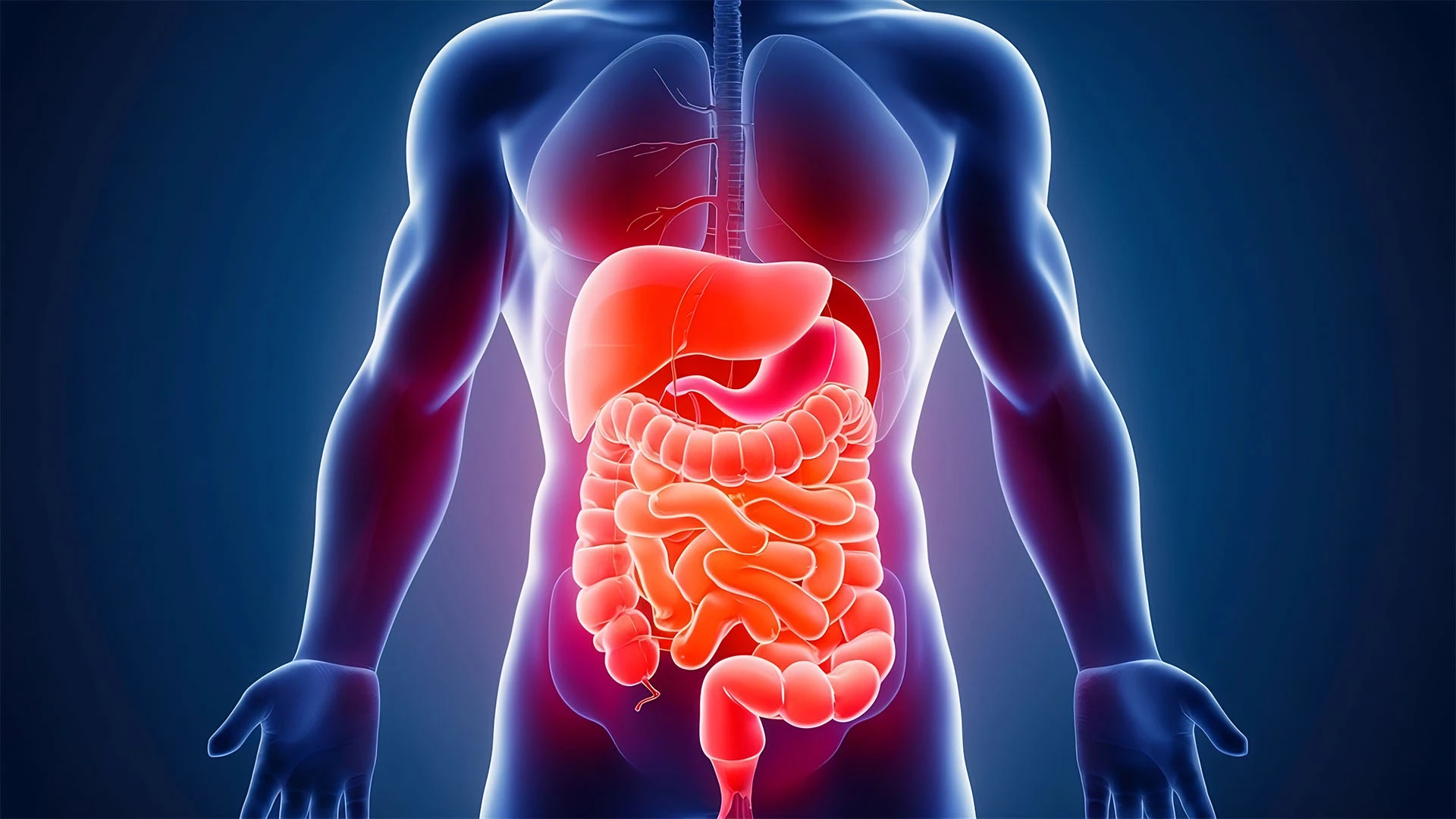
The digestive process begins the moment food enters your mouth. Salivary amylase starts breaking down starches, while your stomach produces pepsin to tackle proteins. The real action happens in your small intestine, where pancreatic enzymes complete the heavy lifting. This intricate dance ensures maximum nutrient absorption from every bite you take. Your body naturally produces these enzymes, but production can decline with age, stress, poor diet, or certain health conditions. When enzyme levels drop, you might experience bloating, gas, undigested food particles, or that heavy feeling after meals. This is where understanding digestive enzymes benefits becomes crucial for optimizing your health.
Three primary enzyme categories handle the breakdown of macronutrients. Each plays a distinct role in ensuring your body extracts maximum value from food. Understanding these gut health enzymes helps you identify potential deficiencies and optimize your digestive function.
Protease enzymes are protein-digesting powerhouses that break peptide bonds in dietary proteins. They transform complex protein structures into individual amino acids and small peptides that your body can absorb and utilize for muscle repair, hormone production, and countless metabolic functions. These enzymes are particularly crucial for active individuals who consume higher protein amounts. Without adequate protease activity, undigested proteins can ferment in the gut, leading to bloating and discomfort. Natural sources include papaya (papain), pineapple (bromelain), and fermented foods.
Amylase enzymes specialize in breaking down complex carbohydrates into simple sugars. They target starches, glycogen, and other polysaccharides, converting them into glucose molecules that provide immediate energy for your cells. For athletes and active individuals, efficient amylase function ensures steady energy release without the crashes associated with poor carbohydrate digestion. This enzyme begins working in your mouth and continues throughout the digestive tract, making it essential for sustained energy levels.
Lipase enzymes handle the complex task of fat digestion, breaking down triglycerides into fatty acids and glycerol. This process is essential for absorbing fat-soluble vitamins (A, D, E, K) and supporting hormone production. Lipase deficiency can lead to fatty stools, vitamin deficiencies, and poor absorption of essential fatty acids. These enzymes are particularly important for those following higher-fat diets or seeking to optimize hormone balance through nutrition.
The advantages of proper enzyme function extend far beyond basic digestion. Digestive enzymes benefits include enhanced energy levels, reduced inflammation, improved immune function, and better overall wellness. When your digestive system operates efficiently, your entire body benefits from improved nutrient availability. Enhanced nutrient absorption means your cells receive the building blocks they need for optimal function. This translates to better recovery from workouts, improved cognitive function, and more stable energy throughout the day. Many people notice reduced cravings when their bodies efficiently extract nutrients from food.
Enzymes for bloating relief work by ensuring complete food breakdown, preventing fermentation that causes gas and discomfort. This is particularly beneficial for those with sensitive digestive systems or food intolerances. Proper enzyme function can make previously problematic foods more tolerable.
Before considering supplements, explore natural methods to improve digestion naturally. Chewing food thoroughly activates salivary enzymes and signals your digestive system to prepare for incoming nutrients. Eating in a relaxed state, away from stressors, optimizes enzyme production and digestive function. Incorporating enzyme-rich foods into your diet provides natural digestive support. Raw fruits like papaya and pineapple contain powerful proteolytic enzymes. Fermented foods like kimchi, sauerkraut, and kefir provide both enzymes and beneficial bacteria that support digestive health.
Timing matters too. Eating smaller, more frequent meals prevents overwhelming your digestive system. Avoiding excessive liquids with meals prevents dilution of digestive juices. These simple strategies can significantly improve your body's natural enzyme efficiency.
When natural methods aren't sufficient, high-quality enzyme supplements can bridge the gap. Look for broad-spectrum formulas that include multiple enzyme types to handle various food components. The best supplements provide enzymes that remain active across different pH levels in your digestive tract. Quality markers include third-party testing for purity and potency, proper storage requirements, and clear labeling of enzyme activity units.
Avoid products with unnecessary fillers or artificial additives that could irritate sensitive digestive systems. Timing supplementation correctly maximizes benefits. Taking enzymes with the first bite of food ensures they're available when needed most. Starting with lower doses and gradually increasing allows your system to adjust while monitoring for any adverse reactions.
While generally safe for most people, digestive enzymes aren't appropriate for everyone. Those with active ulcers, severe digestive disorders, or certain medications should consult healthcare providers before starting enzyme supplements. Pregnant and breastfeeding women should exercise particular caution. Mild side effects might include temporary digestive changes as your system adjusts. Severe reactions are rare but warrant immediate discontinuation.
Starting with food-based enzymes or lower doses minimizes the risk of adverse effects while allowing you to assess tolerance. Quality matters significantly in the supplement world. Choose reputable brands that prioritize purity, potency, and safety testing. Ace Blend's commitment to science-backed, clean nutrition exemplifies the standards you should seek in any supplement choice.
Answer: The three primary digestive enzymes are amylase (breaks down carbohydrates), protease (breaks down proteins), and lipase (breaks down fats). These enzymes work synergistically to ensure complete nutrient breakdown and optimal absorption in your digestive system.
Answer: Digestive enzymes break large food molecules into smaller components that your intestinal lining can absorb. Without adequate enzymes, nutrients remain too large to pass through intestinal walls, leading to poor absorption and potential deficiencies despite adequate dietary intake.
Answer: Yes, enzymes for bloating work by ensuring complete food breakdown, preventing undigested particles from fermenting in your gut. This fermentation process typically causes gas, bloating, and digestive discomfort that proper enzyme function can significantly reduce.
Answer: Take digestive enzymes with the first bite of your meal for optimal effectiveness. This timing ensures the enzymes are present when food enters your stomach and small intestine, maximizing their ability to break down nutrients efficiently.
Answer: Absolutely. You can improve digestion naturally by chewing food thoroughly, eating enzyme-rich foods like papaya and pineapple, consuming fermented foods, managing stress levels, staying hydrated, and eating smaller, more frequent meals to avoid overwhelming your digestive system.
Answer: Common signs include bloating after meals, gas, undigested food in stools, feeling overly full after eating, fatigue after meals, and nutrient deficiencies despite adequate dietary intake. These symptoms often improve with proper enzyme support.
Answer: Most people can safely take digestive enzymes long-term, but it's wise to consult with a healthcare provider for personalized guidance. Quality enzyme supplements are generally well-tolerated and can provide ongoing digestive support when natural production is insufficient.
Optimizing your digestive enzyme function is a game-changer for overall health and wellness. Whether through natural methods or quality supplementation, supporting these crucial proteins ensures you extract maximum value from every meal. Remember that digestive health forms the foundation of overall wellness – when your gut functions optimally, every system in your body benefits from improved nutrient availability and reduced inflammatory burden.


Someone sent you
Powered by ReferRush