


Decoding Soy Protein

Get personalised recommendations with our assessment.
Personalised Health Diagnosis (PHD)
Plant-based nutrition has reached a tipping point. While the market floods with flashy supplements and questionable protein powders, one humble legume continues to deliver what your body actually needs: complete, bioavailable protein. Soybeans aren't just another trendy superfood—they're a nutritional powerhouse that's been fueling human performance for centuries. But here's what most people get wrong: they focus on the hype instead of the hard numbers. Today, we're cutting through the noise to decode exactly what soya bean protein content per 100g means for your strength goals, recovery, and long-term health. No marketing fluff, just science-backed facts that'll help you make smarter nutrition choices.
Let's get straight to what you came here for: the actual protein content. The numbers vary dramatically based on preparation, and understanding this difference is crucial for hitting your daily protein targets. Raw soybeans pack an impressive 36-40g of protein per 100g. That's more protein density than most animal products. But here's the catch—nobody eats raw soybeans. Once you cook them, the story changes completely.
Cooked soybeans deliver 16.6-18.2g of protein in soybeans per 100g serving. The dramatic drop isn't because protein disappears—it's because water weight increases the total mass. Think of it like this: you're diluting the protein concentration, not destroying the protein itself. Soaking and cooking also affects protein retention rates. Proper soaking (8-12 hours) followed by gentle boiling preserves most amino acids while making them more bioavailable. Skip the aggressive boiling—it can denature some protein structures.
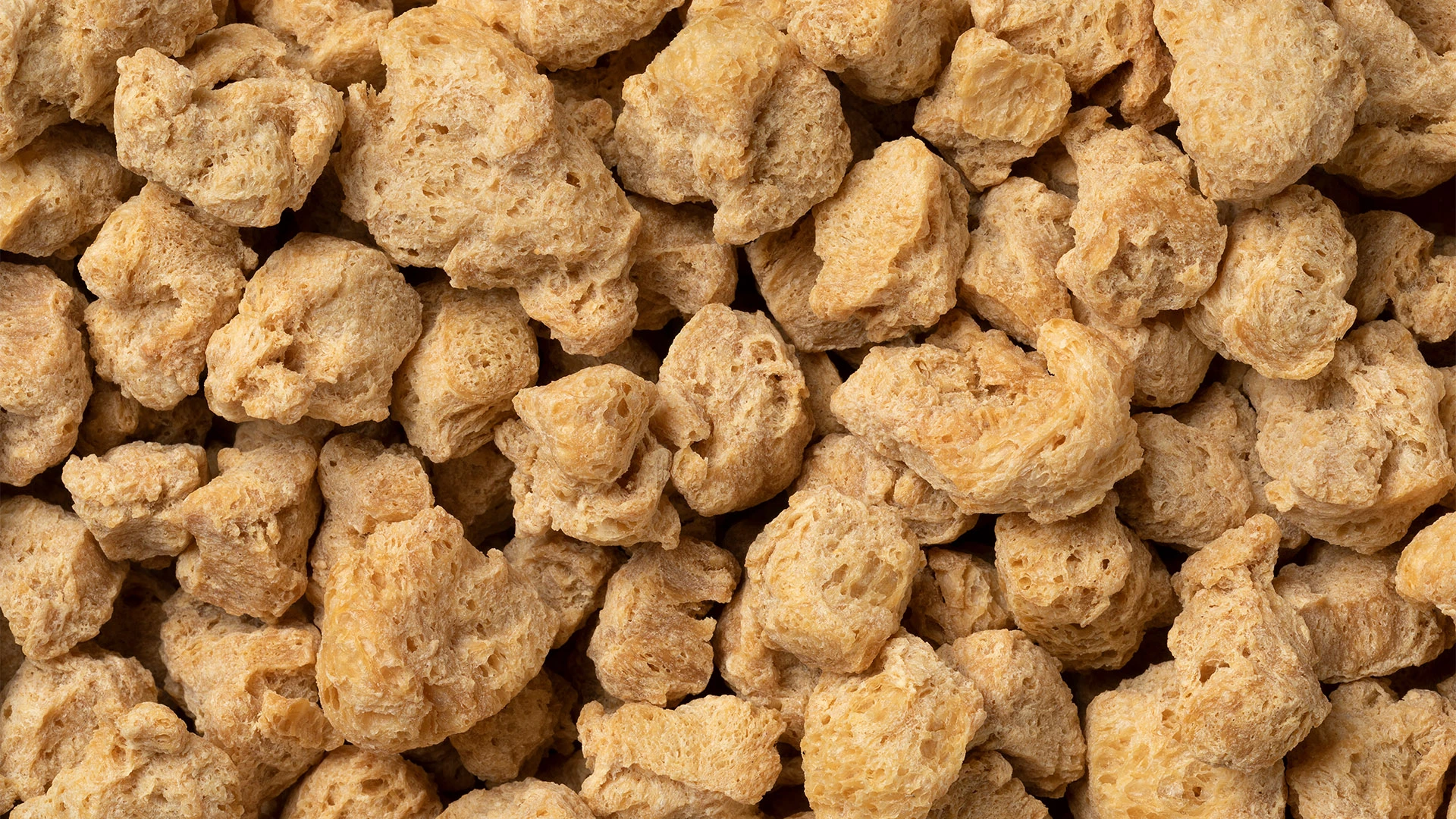
Soya chunks are where things get interesting for serious protein seekers. Uncooked soya chunks contain 52-54g protein per 100g—that's nearly 50% more than raw whole soybeans. The dehydration process concentrates the protein content significantly. Once rehydrated and cooked, soya chunks still deliver around 16g protein per 100g, similar to cooked whole beans. The key advantage? Faster preparation and better texture for most recipes.
Protein content tells only part of the story. Soy protein nutrition extends far beyond just grams of protein—it's about the complete nutritional package that supports your active lifestyle. The caloric density varies significantly between forms. Raw soybeans clock in at 345 calories per 100g, while cooked beans drop to 172 calories. This makes cooked soybeans incredibly efficient for lean muscle building—high protein with moderate calories.
Here's the complete breakdown for cooked soybeans per 100g:
• Calories: 172 kcal
• Protein: 16.6g (39% of calories)
• Carbohydrates: 8.4g (mostly complex carbs)
• Fat: 9g (primarily unsaturated)
• Fibre: 6g (supports digestive health) The fat content might surprise you, but it's predominantly heart-healthy unsaturated fats.
These fats actually enhance the absorption of fat-soluble vitamins and support hormone production—crucial for anyone serious about strength training.
Soybeans aren't just about protein—they're micronutrient powerhouses. Per 100g of cooked soybeans, you get:
• Iron: 5.1mg (28% daily value)
• Calcium: 102mg (10% daily value)
• Magnesium: 86mg (21% daily value)
• Folate: 54mcg (14% daily value)
The iron content is particularly impressive for plant-based eaters. Pair soybeans with vitamin C-rich foods to maximize iron absorption.
Here's where soybeans separate themselves from other plant proteins: they're one of the few complete protein foods in the plant kingdom. This means they contain all nine essential amino acids your body can't produce on its own. The amino acid profile rivals many animal proteins. Soybeans score a perfect 1.0 on the Protein Digestibility Corrected Amino Acid Score (PDCAAS)—the same score as whey protein and eggs.
The soy protein amino acids breakdown per 100g of cooked soybeans includes:
• Leucine: 1.3g (critical for muscle protein synthesis)
• Lysine: 1.1g (often limiting in plant proteins)
• Methionine: 0.2g (supports detoxification)
• Threonine: 0.7g (immune function support)
Leucine content is particularly noteworthy. This branched-chain amino acid triggers muscle protein synthesis, making soybeans effective for post-workout recovery.
Protein digestibility sits around 90-95% for properly prepared soybeans—comparable to animal proteins. The key is proper preparation: adequate soaking, thorough cooking, and avoiding overcooking. For optimal absorption, consume soy protein within 2 hours post-workout. The amino acid profile supports rapid muscle recovery when timing aligns with your body's heightened protein synthesis window.
The research on soybean protein benefits for active individuals continues to challenge outdated assumptions. Multiple studies show soy protein supports muscle building just as effectively as animal proteins when total protein intake is adequate. A 2018 study in the Journal of the International Society of Sports Nutrition found no significant difference in muscle mass gains between soy and whey protein groups over 12 weeks of resistance training.
Soy protein stimulates muscle protein synthesis through multiple pathways. The high leucine content triggers mTOR activation, while the complete amino acid profile provides all building blocks for new muscle tissue. Post-workout recovery benefits include reduced muscle soreness and faster strength recovery between sessions. The anti-inflammatory compounds in soybeans may contribute to these recovery advantages.
The fiber and protein combination in soybeans creates powerful satiety effects. Studies show soy protein increases feelings of fullness more than many other protein sources, supporting natural calorie control. Metabolic benefits include improved insulin sensitivity and enhanced fat oxidation during exercise. The isoflavones in soybeans may support healthy body composition by influencing fat storage patterns.
Regular soy consumption supports cardiovascular health through multiple mechanisms. The FDA recognizes that 25g of soy protein daily may reduce heart disease risk when part of a low saturated fat diet. Anti-inflammatory properties extend beyond muscle recovery. Chronic low-grade inflammation accelerates aging and impairs performance—soybeans help combat this through their antioxidant compounds.
Not all soy products are created equal when it comes to protein content of soy. Understanding the differences helps you choose the right form for your specific goals and preferences. Processing methods dramatically affect protein concentration. While whole soybeans offer complete nutrition, processed forms can deliver higher protein density when that's your primary goal.
Soy protein isolate represents the most concentrated form, containing 90-95% protein by weight. That translates to roughly 90g protein per 100g of powder—more than five times the concentration of cooked whole beans. The trade-off? Processing removes most fibre, healthy fats, and micronutrients. Isolates work well for hitting protein targets quickly, but whole soybeans provide broader nutritional benefits. Choose isolates when convenience and protein density matter most. Stick with whole beans when you want complete nutrition and don't mind the preparation time.
Soya chunks offer a middle ground—higher protein concentration than whole beans but more nutrients than isolates. The dehydration process concentrates protein while preserving most vitamins and minerals. Cooking methods matter significantly for protein retention. Gentle rehydration in warm water followed by light sautéing preserves more amino acids than aggressive boiling. Portion recommendations: 25-30g dry soya chunks provide approximately 13-16g protein once rehydrated—perfect for adding to curries, stir-fries, or grain bowls.
Getting the most from your soybean protein investment requires strategic preparation and timing. Small changes in how you prepare and consume soybeans can significantly impact protein utilization. Proper soaking breaks down anti-nutrients like phytic acid that can interfere with protein absorption. The traditional 8-12 hour soak isn't just about cooking time—it's about bioavailability.
Start with quality soybeans and follow these preparation steps:
• Soak in clean water for 8-12 hours
• Drain and rinse thoroughly
• Cook in fresh water until tender (45-60 minutes)
• Avoid overcooking to preserve amino acid integrity
Combining soybeans with vitamin C-rich foods enhances iron absorption. Adding tomatoes, bell peppers, or citrus to soy-based meals maximizes nutritional uptake.
For active individuals, 1-2 servings of soy protein daily (equivalent to 100-200g cooked soybeans) provides substantial protein while staying within safe consumption limits. Timing matters for athletes. Consume soy protein within 2 hours post-workout for optimal muscle protein synthesis. The complete amino acid profile makes timing less critical than with incomplete plant proteins. Integration with other protein sources creates amino acid synergy. Combining soybeans with grains, nuts, or seeds provides amino acid variety that may enhance overall protein utilization.
Answer: Cooked soybeans contain 16.6-18.2g of protein per 100g serving. This represents about 33-36% of the daily protein requirement for a 70kg active individual. The protein content decreases from raw soybeans due to water absorption during cooking, but the actual protein amount remains unchanged.
Answer: Yes, soybeans rank among the highest protein plant foods. They contain more protein per 100g than lentils (9g), chickpeas (8g), quinoa (4.4g), and most nuts. Only hemp seeds and spirulina exceed soybeans in plant-based protein density.
Answer: Yes, 100g of cooked soybeans daily is safe for most people and provides about 17g of high-quality protein. This amount falls well within recommended soy consumption guidelines. However, individuals with thyroid conditions should consult healthcare providers, as soy may affect thyroid hormone absorption.
Answer: Soy protein contains all nine essential amino acids in adequate proportions for human needs. It scores 1.0 on the PDCAAS scale, matching the quality of animal proteins. This completeness makes soybeans particularly valuable for vegetarians and vegans seeking high-quality protein sources.
Soybeans deliver exceptional protein value when you understand the numbers behind the nutrition label. With 16.6-18.2g of complete protein per 100g of cooked beans, they rival many animal proteins while providing additional health benefits. The key lies in proper preparation and realistic expectations. Soybeans aren't a magic bullet, but they're a reliable, science-backed protein source that supports muscle building, recovery, and long-term health when integrated into a balanced nutrition plan.
For active individuals seeking plant-based protein sources, soybeans offer the rare combination of complete amino acids, high bioavailability, and proven performance benefits. Whether you choose whole beans, chunks, or isolates depends on your specific goals, but the protein quality remains consistently high across all forms. The bottom line: soybeans earn their place in any serious nutrition strategy. They're not trendy or flashy, but they deliver results where it matters—in your muscles, your recovery, and your long-term health.


Someone sent you
Powered by ReferRush