


11 Natural Ways for Muscle Cramps and Joint Pain Relief

Get personalised recommendations with our assessment.
Personalised Health Diagnosis (PHD)
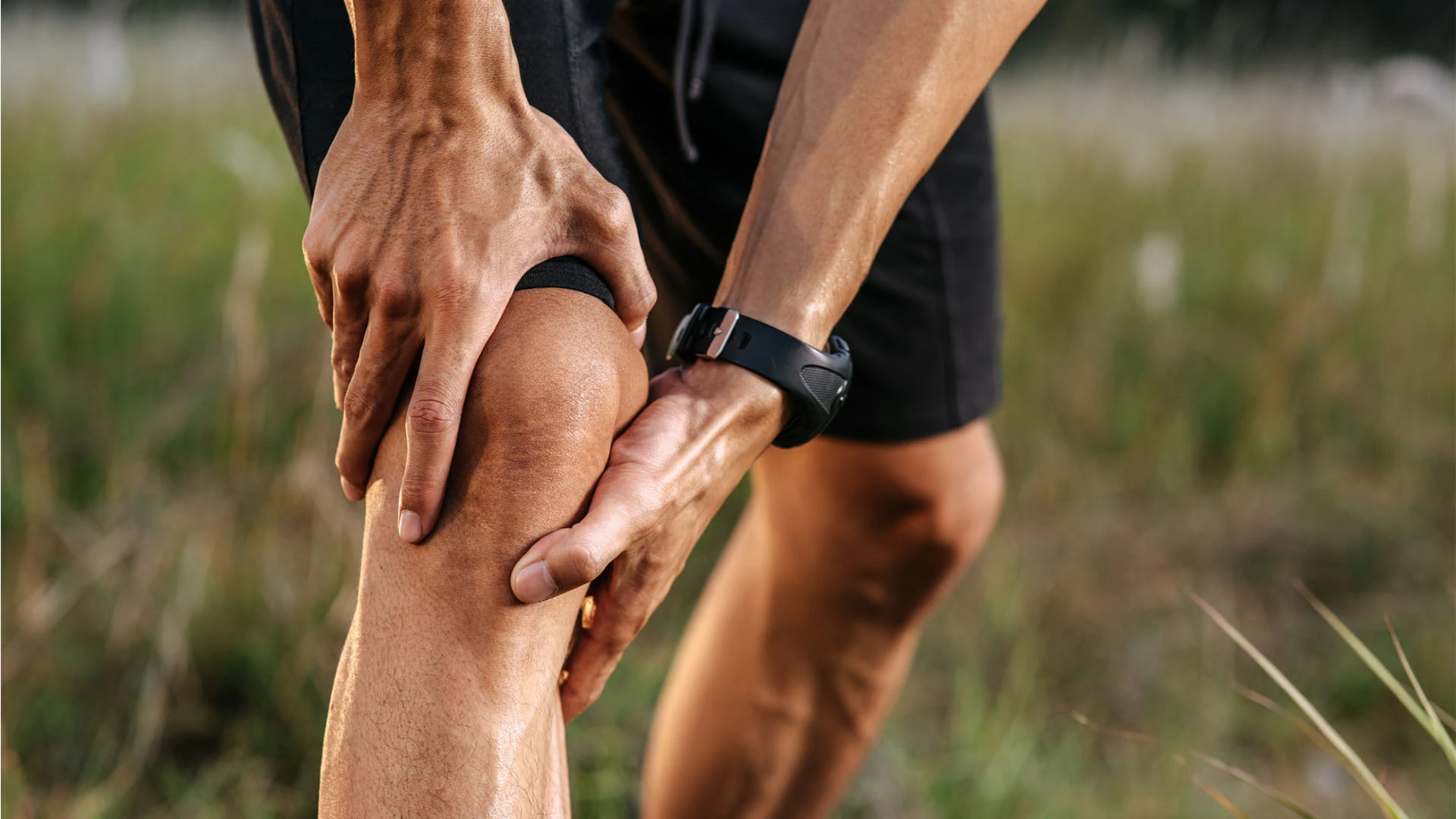
Muscle cramps and joint pain don't have to control your life. Whether you're dealing with sudden leg cramps that jolt you awake at 3 AM or persistent joint stiffness that makes simple tasks feel like climbing Mount Everest, natural relief is within reach. The human body has an incredible capacity to heal itself when given the right tools and conditions. Instead of reaching for quick fixes that mask symptoms, these eleven evidence-based natural approaches target the root causes of discomfort while supporting your body's innate healing mechanisms.
Your body speaks a language of sensation, and pain is one of its most urgent messages. Muscle cramps relief and joint pain relief start with understanding what's actually happening beneath the surface. Muscle cramps are involuntary contractions that can strike without warning, while joint pain typically involves inflammation or wear in the areas where bones meet.
The most common leg cramps causes include dehydration, electrolyte imbalances, overuse, and poor circulation. Joint pain often stems from arthritis, injury, or repetitive stress. What many people don't realize is that these conditions frequently overlap—dehydration affects both muscle function and joint lubrication, while inflammation can impact both tissues simultaneously.
Natural remedies work because they address multiple pathways simultaneously. Unlike isolated pharmaceutical compounds, natural approaches often provide anti-inflammatory, muscle-relaxing, and circulation-enhancing benefits all at once. Research shows that combining multiple natural strategies creates a synergistic effect that's often more effective than any single intervention.
When a muscle cramp strikes, you need action, not theory. These muscle spasm remedies can provide relief within minutes, giving you the breathing room to address underlying causes. The key is having a toolkit of techniques ready before you need them.
For calf cramps, keep your leg straight and pull your toes toward your shin. Hold for 30 seconds while breathing deeply. If you're lying down, use a towel or resistance band to assist the stretch. For hamstring cramps, stand and place weight on the affected leg while gently leaning forward.
Apply firm pressure to the center of the cramped muscle for 10-15 seconds. Use your thumbs or knuckles to work along the muscle fibers, starting from the edges and moving toward the center. This technique helps reset the muscle's neural signals and restore normal function.
Temperature therapy is one of the most accessible forms of natural pain relief available. Your body responds predictably to temperature changes, making this approach both reliable and scientifically sound. The key is knowing when to use heat versus cold for maximum benefit.
Heat increases blood flow and relaxes muscle tissue. Apply a warm compress for 15-20 minutes to tight or cramped muscles. Epsom salt baths combine heat therapy with magnesium absorption through the skin. The warm water relaxes muscles while magnesium helps prevent future cramps.
Cold therapy reduces inflammation and numbs pain signals. Apply ice packs for 10-15 minutes at a time, with at least 30 minutes between applications. For acute injuries or sudden onset joint pain, cold therapy should be your first line of defense.
What you eat and drink directly impacts your body's ability to prevent and recover from muscle cramps and joint pain. Body aches remedies often start in the kitchen, where anti-inflammatory foods and proper hydration create the foundation for pain-free living.
Magnesium deficiency is linked to 80% of muscle cramps. Load up on dark leafy greens, nuts, seeds, and avocados. Potassium from bananas, sweet potatoes, and watermelon helps maintain proper muscle function. Calcium and vitamin D work together to support both muscle contraction and bone health.
Dehydration is a silent trigger for both muscle cramps and joint stiffness. Aim for half your body weight in ounces of water daily. Coconut water provides natural electrolytes without added sugars. Our TruBeet Hydro Hype takes hydration further with beetroot nitrates that support deep cellular hydration and circulation.
Joint pain management and muscle health depend on the right kind of movement. The phrase "motion is lotion" isn't just catchy—it's scientifically accurate. Regular, appropriate movement keeps joints lubricated and muscles flexible while preventing the stiffness that leads to pain.
Daily stretching prevents muscle tightness before it becomes painful. Focus on major muscle groups: calves, hamstrings, hip flexors, and shoulders. Hold each stretch for 30-60 seconds and breathe deeply. Consistency matters more than intensity—gentle daily stretching beats aggressive weekly sessions.
Swimming provides resistance training without joint stress. Walking improves circulation and maintains joint mobility. Resistance bands offer variable resistance that's easier on joints than heavy weights. These activities strengthen supporting muscles while promoting healing blood flow.
Strategic supplementation can fill nutritional gaps that contribute to muscle cramps and joint pain. Arthritis pain relief and muscle health often improve dramatically with targeted nutrients that support inflammation control and tissue repair.
Magnesium supplementation reduces muscle cramp frequency by up to 50% in clinical studies. Our Max Magnesium uses liposomal delivery for superior absorption. Omega-3 fatty acids provide powerful anti-inflammatory effects—our Outshine Omega 3 delivers 4x strength concentration for maximum benefit. Turmeric's curcumin compound reduces inflammation naturally, which is why we've included 500mg in our Curcumin Wonder Latte.
Boswellia extract reduces inflammatory markers without side effects. Tart cherry juice contains natural compounds that reduce muscle soreness and inflammation. Topical menthol provides cooling relief by activating nerve receptors that override pain signals.
Sustainable muscle pain treatment requires addressing lifestyle factors that contribute to chronic pain patterns. Small, consistent changes in daily habits often produce more dramatic results than dramatic short-term interventions.
Quality sleep is when your body repairs muscle tissue and reduces inflammation. Sleep on your side with a pillow between your knees to maintain spinal alignment. Aim for 7-9 hours nightly and maintain consistent sleep schedules. Poor sleep increases pain sensitivity and slows healing.
Poor posture creates muscle imbalances that lead to pain. Adjust your workstation so your screen is at eye level and your feet rest flat on the floor. Take movement breaks every 30 minutes. Small postural adjustments prevent the chronic tension that develops into painful trigger points.
While natural remedies handle most muscle cramps and joint pain effectively, certain symptoms require professional evaluation. Knowing when to seek help prevents minor issues from becoming major problems.
Seek immediate medical attention for muscle cramps accompanied by severe swelling, skin color changes, or numbness. Sudden, severe joint pain with fever could indicate infection. Muscle weakness that doesn't improve with rest may signal nerve involvement.
Progressive joint stiffness, especially in the morning, may indicate arthritis requiring medical management. Muscle cramps that occur multiple times weekly despite proper hydration and nutrition need professional evaluation. Persistent pain that interferes with sleep or daily activities warrants medical assessment.
Stretch the cramped muscle gently while applying firm pressure. For calf cramps, keep your leg straight and pull your toes toward your shin. For hamstring cramps, stand with weight on the affected leg and lean forward slightly. Hold stretches for 30-60 seconds while breathing deeply.
Magnesium is the most effective mineral for preventing leg cramps, with clinical studies showing up to 50% reduction in cramp frequency. Vitamin B complex also supports nerve function and muscle health. However, proper hydration and electrolyte balance are equally important.
Start with gentle movement to maintain joint mobility, apply appropriate heat or cold therapy, maintain an anti-inflammatory diet rich in omega-3s and antioxidants, and consider natural supplements like turmeric or omega-3 fatty acids. Consistency with multiple approaches works better than relying on single remedies.
Common causes include dehydration, electrolyte imbalances, overuse, poor posture, arthritis, and inflammation. Age, activity level, and underlying health conditions also play roles. Identifying and addressing root causes prevents recurrence more effectively than treating symptoms alone.
Coconut water provides natural electrolytes without added sugars. Plain water is essential for basic hydration. Drinks with beetroot nitrates can improve circulation and cellular hydration. Avoid excessive caffeine or alcohol, which can contribute to dehydration.
For acute muscle cramps, natural remedies should provide relief within minutes to hours. For chronic joint pain, give natural approaches 2-4 weeks of consistent application. Seek medical attention immediately for severe symptoms or if pain significantly worsens despite treatment.
Natural relief from muscle cramps and joint pain is both achievable and sustainable when you address root causes rather than just symptoms. The eleven strategies outlined here work synergistically—combining proper hydration, targeted nutrition, appropriate movement, and strategic supplementation creates a comprehensive approach that supports your body's natural healing processes.
Start with the immediate relief techniques to handle acute symptoms, then build a foundation with proper nutrition and hydration. Add movement-based therapies and consider targeted supplementation to address specific deficiencies. Remember that consistency trumps intensity—small daily actions compound into significant long-term improvements. Your body has remarkable healing capacity when given the right tools and conditions to thrive.


Someone sent you
Powered by ReferRush