


The Ultimate Plant Nutrition Checklist for Vegetarians

Get personalised recommendations with our assessment.
Personalised Health Diagnosis (PHD)
Switching to a vegetarian lifestyle doesn't mean compromising on nutrition—it means getting smarter about it. While plant-based eating offers incredible health benefits, it requires strategic planning to ensure you're getting every essential nutrient your body craves. The key lies in understanding which nutrients need extra attention and how to source them effectively from plants. This comprehensive plant nutrition guide for vegetarians will transform your approach to eating, ensuring you thrive rather than just survive on your plant-powered journey.
Vegetarian diet nutrients require careful consideration to avoid common pitfalls. Unlike omnivorous diets, plant-based eating demands strategic food choices to meet all nutritional needs. The good news? With proper planning, vegetarian diets often exceed recommended nutrient intakes for most vitamins and minerals.
The protein question haunts every vegetarian, but it shouldn't. Plant proteins can absolutely meet your needs when you understand amino acid profiles. Complete proteins contain all nine essential amino acids your body can't produce on its own.
Top vegetarian protein sources include:
Quinoa - 8g protein per cooked cup, complete amino profile
Hemp seeds - 10g protein per 3 tablespoons, rich in omega-3s
Spirulina - 8g protein per 2 tablespoons, highly bioavailable
Buckwheat - 6g protein per cooked cup, gluten-free complete protein
Chia seeds - 5g protein per 2 tablespoons, plus fiber and minerals
For incomplete proteins, combine legumes with grains throughout the day. Think dal with rice, hummus with whole grain pita, or beans with quinoa. Your body pools amino acids efficiently, so perfect combining at every meal isn't necessary.
Iron deficiency ranks among the most common vegetarian nutritional concerns. Plant-based iron (non-heme) absorbs differently than iron from meat sources, but strategic eating dramatically improves uptake.
Iron absorption enhancers include vitamin C-rich foods consumed with iron sources. Pair spinach with citrus, lentils with tomatoes, or fortified cereals with strawberries. Avoid coffee, tea, and calcium supplements within two hours of iron-rich meals, as these compounds inhibit absorption.
Exceptional iron sources for vegetarians:
Lentils - 6.6mg per cooked cup
Dark chocolate - 7mg per 3 oz serving
Spinach - 6.4mg per cooked cup
Tofu - 6.6mg per half cup
Cashews - 1.9mg per ounce
Beyond macronutrients, several micronutrients demand special attention in vegetarian diets. These nutrients either occur primarily in animal products or have lower bioavailability from plant sources. Understanding these gaps helps you make informed supplementation and food choices.
Vitamin B12 represents the one nutrient virtually impossible to obtain adequately from plant foods alone. This vitamin supports nerve function, red blood cell formation, and DNA synthesis. Deficiency symptoms include fatigue, weakness, and neurological problems.
Reliable B12 sources for vegetarians include fortified nutritional yeast, plant milks, and cereals. However, supplementation remains the most dependable approach. Choose methylcobalamin or cyanocobalamin forms, with dosages ranging from 250-1000mcg daily or 2500mcg weekly.
Omega-3 fatty acids support brain health, reduce inflammation, and promote cardiovascular wellness. While fish provides EPA and DHA directly, vegetarians can obtain ALA from plants and convert small amounts to EPA and DHA.
Plant-based omega-3 sources include:
Flaxseeds - 2.3g ALA per tablespoon
Walnuts - 2.5g ALA per ounce
Chia seeds - 5g ALA per 2 tablespoons
Hemp hearts - 1g ALA per 3 tablespoons
Consider algae-based EPA and DHA supplements for optimal omega-3 status, especially if you're pregnant, nursing, or have cardiovascular concerns.
Calcium absorption matters more than total intake. Many plant foods provide highly bioavailable calcium, often exceeding dairy absorption rates. Dark leafy greens, tahini, and fortified plant milks offer excellent calcium sources.
High-absorption calcium foods include:
Collard greens - 268mg per cooked cup, 50% absorption
Bok choy - 158mg per cooked cup, 54% absorption
Sesame seeds - 351mg per quarter cup
Fortified plant milk - 300mg per cup, varies by brand
Research consistently demonstrates that well-planned vegetarian diets offer significant health advantages over typical omnivorous eating patterns. These benefits extend beyond individual nutrients to encompass whole-body wellness and disease prevention.
Plant foods contain thousands of phytonutrients that support immune function. These compounds work synergistically to reduce inflammation, neutralize free radicals, and support cellular repair mechanisms.
Immune-boosting plant compounds include:
Anthocyanins in berries and purple vegetables
Carotenoids in orange and red produce
Flavonoids in tea, citrus, and onions
Glucosinolates in cruciferous vegetables
Vegetarian diets consistently show lower rates of heart disease, hypertension, and type 2 diabetes. The high fiber content, beneficial plant compounds, and absence of saturated fat from meat contribute to these protective effects.
Studies indicate vegetarians have 25% lower risk of heart disease and 50% lower risk of developing diabetes compared to meat-eaters. These benefits compound over time with consistent plant-based eating patterns.
Knowledge means nothing without application. Creating sustainable vegetarian eating patterns requires practical strategies that fit your lifestyle, budget, and preferences. Focus on gradual improvements rather than perfection.
Distribute nutrients throughout the day for maximum absorption and sustained energy. Each meal should include protein, healthy fats, and complex carbohydrates, with strategic nutrient timing for enhanced bioavailability.
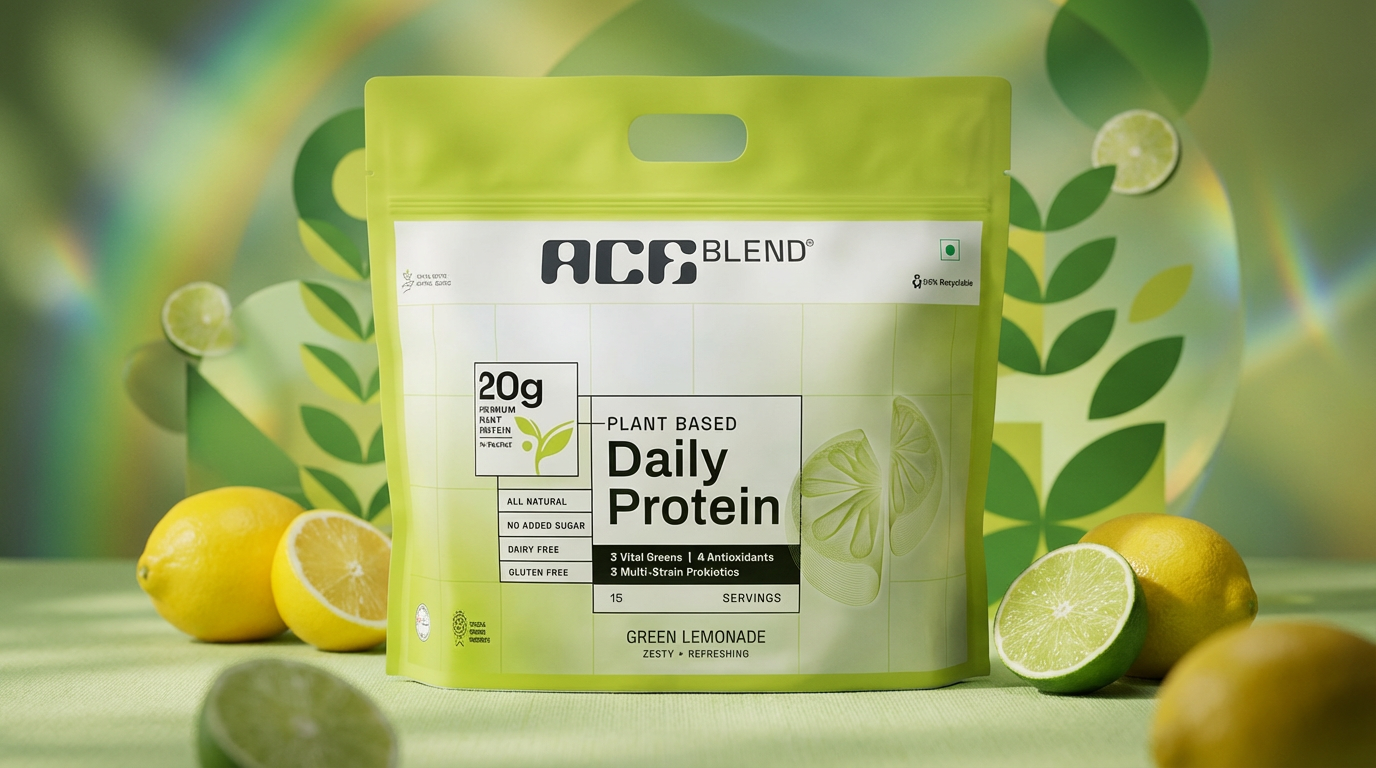
Breakfast foundation: Include protein and B-vitamins to start your day strong. Try overnight oats with our DAILY Protein powder, nuts, and berries for sustained energy and complete amino acids.
Lunch strategy: Combine iron-rich foods with vitamin C sources. Lentil salads with bell peppers, spinach wraps with citrus dressing, or bean soups with tomatoes optimize iron absorption.
Dinner focus: Emphasize complete proteins and healthy fats. Quinoa bowls with tahini dressing, tofu stir-fries with sesame oil, or legume-grain combinations provide satisfying nutrition.
While whole foods should provide most nutrients, strategic supplementation fills potential gaps. Focus on nutrients with limited plant sources or enhanced needs in vegetarian diets.
Essential supplements for most vegetarians:
Vitamin B12 - Non-negotiable for all vegetarians
Vitamin D - Especially important in low-sun climates
Algae-based omega-3 - For optimal EPA and DHA status
Iron - If deficiency is confirmed through testing
Absolutely. Plant proteins provide all essential amino acids needed for muscle synthesis. Focus on protein timing, consuming 20-30g within two hours post-workout. Our INTENSE Protein delivers 30g of complete plant protein specifically formulated for active individuals and muscle building goals.
Combine iron-rich foods with vitamin C sources, avoid coffee and tea with meals, and consider cooking in cast iron pans. Include dark leafy greens, legumes, and fortified cereals daily. Get blood work annually to monitor iron status and supplement if needed.
Vitamin B12 is absolutely essential, as it's virtually impossible to obtain adequate amounts from plant foods alone. Take 250-1000mcg daily or 2500mcg weekly. All other nutrients can typically be obtained from well-planned vegetarian diets.
Well-planned vegetarian diets support healthy growth and development in children. Focus on calorie-dense, nutrient-rich foods, ensure adequate protein and fat intake, and supplement with B12 and vitamin D. Consult pediatric nutritionists for personalized guidance.
Athletes need more calories, protein, and certain minerals. Increase portion sizes of nutrient-dense foods, time protein intake around workouts, and consider creatine supplementation. Plant-based athletes often excel due to enhanced recovery from anti-inflammatory plant compounds.
Thriving as a vegetarian requires intention, not perfection. Focus on variety, strategic food combinations, and addressing the few nutrients that need extra attention. The plant nutrition guide for vegetarians isn't about restriction—it's about abundance and optimization.
Remember that vegetarian nutrition is a journey, not a destination. Start with small changes, monitor your energy and health markers, and adjust as needed. With proper planning and the right tools, your plant-powered lifestyle will fuel optimal health for years to come. The science is clear: well-executed vegetarian diets don't just meet nutritional needs—they exceed them while providing protection against chronic diseases and supporting long-term vitality.


Someone sent you
Powered by ReferRush