


Mosambi and Nutrition: Everything You Need to Know

Get personalised recommendations with our assessment.
Personalised Health Diagnosis (PHD)
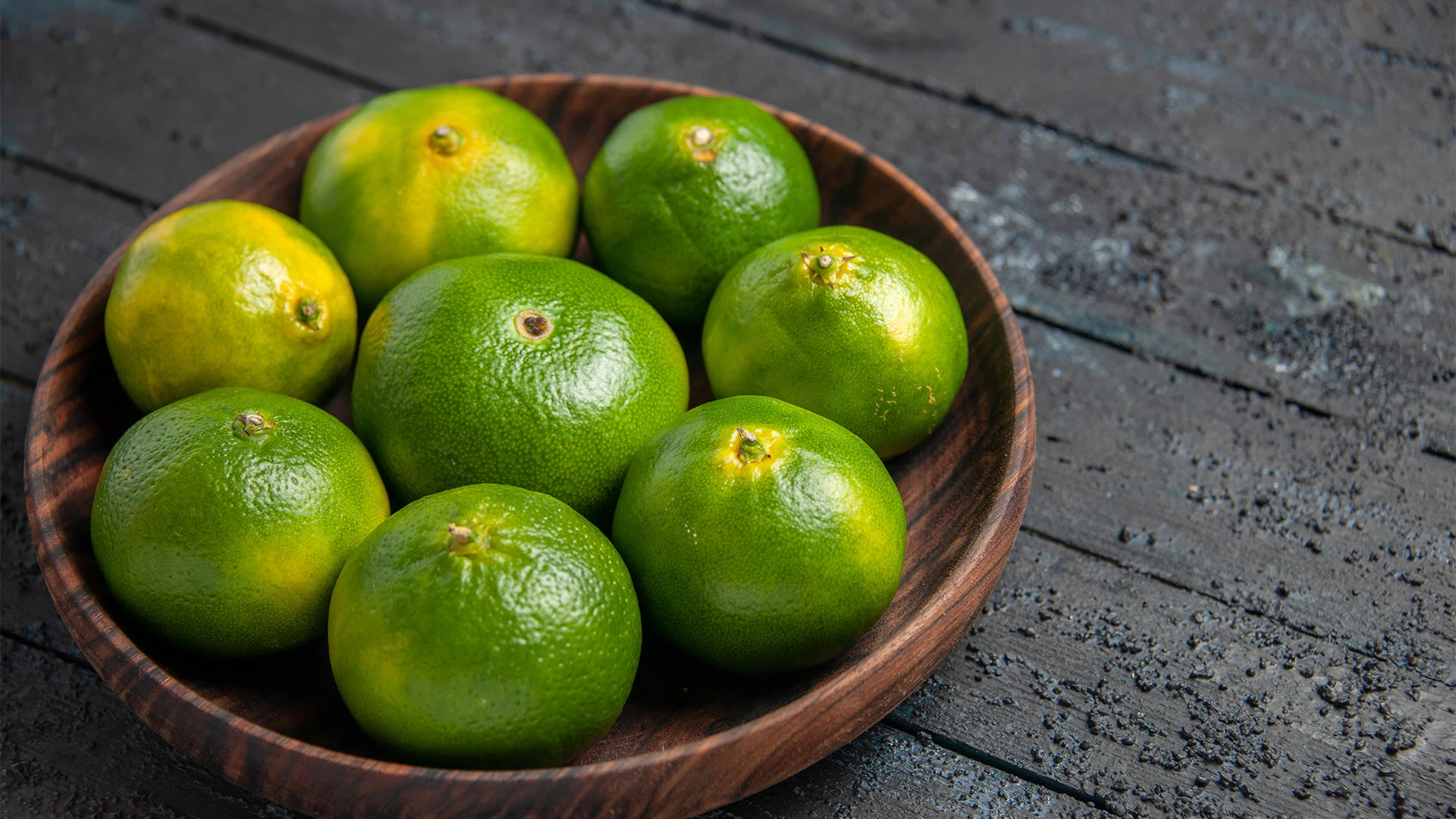
Sweet lime, or mosambi as it's lovingly called across India, isn't just another citrus fruit sitting in your kitchen. This unassuming green orb packs a nutritional punch that puts many so-called "superfruits" to shame. While the wellness world chases exotic berries and trendy powders, mosambi quietly delivers essential nutrients that your body actually craves. From immunity-boosting vitamin C to heart-healthy potassium, this humble fruit deserves a spot in your daily nutrition arsenal. Let's dive deep into mosambi nutrition and discover why this citrus powerhouse should be on your radar.
Mosambi, scientifically known as Citrus limetta, stands apart from its citrus cousins with its mild sweetness and low acidity. Unlike the sharp tang of lemons or the bitter notes of grapefruits, sweet lime offers a gentle flavor that makes it incredibly versatile. This citrus fruit nutrition profile is what makes it a standout choice for those seeking natural wellness solutions without the harsh bite. The fruit's pale green exterior hides a treasure trove of essential nutrients. Each mosambi contains approximately 40-50 calories per 100 grams, making it a low-calorie addition to any diet. What sets it apart from other immunity boosting fruits is its perfect balance of natural sugars, vitamins, and minerals that work synergistically to support your health goals.
When stacked against oranges, lemons, and grapefruits, mosambi holds its ground impressively. While oranges might edge out slightly in vitamin C content, sweet lime compensates with higher potassium levels and better digestibility. The lower acidity makes it gentler on sensitive stomachs while still delivering the immune-supporting benefits you expect from vitamin C fruits.
This citrus gem delivers a concentrated dose of wellness in every bite. The nutritional value of mosambi includes essential vitamins, minerals, and bioactive compounds that support everything from immune function to cardiovascular health. Its natural sugar content provides quick energy without the crash associated with processed alternatives.
Understanding the exact nutritional composition helps you make informed decisions about incorporating this fruit into your diet. The mosambi nutrition facts reveal why nutritionists consistently recommend it as part of a balanced eating plan. Each serving delivers measurable amounts of nutrients your body needs for optimal function. The beauty of mosambi lies in its nutrient density relative to its caloric content. You're getting maximum nutritional bang for your caloric buck, making it an excellent choice for those managing weight while prioritizing health.
Per 100 grams, mosambi provides approximately 43 calories, with carbohydrates making up the majority at 9.3 grams. The protein content sits at 0.8 grams, while fat content remains minimal at 0.3 grams. Dietary fiber contributes 0.5 grams, supporting digestive health and satiety.
The vitamin C content in mosambi reaches approximately 50 milligrams per 100 grams, covering a significant portion of your daily requirements. Potassium dominates the mineral profile at 490 milligrams, supporting heart health and blood pressure regulation. Additional minerals include calcium, iron, copper, and phosphorus, each contributing to various bodily functions. The folate content makes it particularly valuable for cellular health and DNA synthesis.
Beyond basic vitamins and minerals, mosambi contains flavonoids like hesperidin, which provide anti-inflammatory benefits. These natural citrus compounds work as antioxidants, protecting cells from oxidative stress and supporting long-term health outcomes.
The immune system benefits of mosambi extend far beyond its vitamin C content. This fruit supports your body's natural defense mechanisms through multiple pathways, making it a valuable addition to foods for immune system support. Regular consumption can help maintain robust immunity year-round, not just during cold and flu season. What makes mosambi particularly effective is its bioavailability. The nutrients are easily absorbed and utilized by your body, ensuring you actually benefit from what you consume. This efficiency sets it apart from synthetic supplements that often pass through your system without proper absorption.
Vitamin C plays a crucial role in white blood cell production and function. Mosambi's vitamin C content supports the production of lymphocytes and phagocytes, key players in your immune response. The antioxidant properties help protect these immune cells from damage, ensuring they remain effective in fighting off infections and maintaining overall health.
Beyond vitamin C, mosambi offers anti-inflammatory compounds that help reduce chronic inflammation in the body. This reduction supports better immune function and faster recovery from illness. The fruit's natural compounds also support cellular repair mechanisms, helping your body maintain optimal health at the cellular level.
The debate between whole fruit consumption and juice often centers on nutritional trade-offs. With mosambi, both forms offer distinct advantages depending on your health goals and lifestyle needs. Understanding these differences helps you make the best choice for your individual circumstances. Processing affects nutrient availability and absorption rates. While juicing concentrates certain nutrients, it also removes beneficial fibre and can concentrate natural sugars. The key is understanding when each form serves your needs best.
A standard glass of fresh mosambi juice contains approximately 63 calories, with concentrated vitamin and mineral content. The juicing process increases the bioavailability of certain nutrients while providing quick hydration and energy. However, the natural sugar concentration also increases, requiring mindful consumption.
Whole mosambi provides fibre that slows sugar absorption and promotes satiety. The juice offers faster nutrient delivery and easier consumption for those with busy lifestyles. Fibre content in whole fruit supports digestive health and helps regulate blood sugar spikes that can occur with juice consumption.
For optimal health benefits, alternate between whole fruit and fresh juice based on your daily needs. Morning consumption on an empty stomach maximizes vitamin C absorption, while whole fruit as a snack provides sustained energy and fibre benefits.
Digestive health often gets overlooked when discussing citrus fruits, but mosambi offers unique advantages for gut wellness. The fruit's gentle nature makes it suitable for sensitive digestive systems while still providing metabolic benefits. Its natural enzymes support healthy digestion and nutrient absorption. The low acidity of sweet lime makes it particularly valuable for those who experience digestive discomfort with other citrus fruits. This accessibility ensures more people can benefit from its nutritional profile without adverse effects.
Mosambi contains natural enzymes that aid in breaking down food and improving nutrient absorption. The fruit's fibre content, while modest, still contributes to healthy bowel movements and gut microbiome support. Regular consumption can help maintain digestive regularity without causing irritation.
The natural sugars in mosambi provide quick energy without causing dramatic blood sugar spikes. This steady energy release supports metabolic health and can help maintain stable energy levels throughout the day. The potassium content also supports proper muscle and nerve function, contributing to overall metabolic efficiency.
Making mosambi a regular part of your diet doesn't require dramatic changes to your eating habits. This versatile fruit adapts to various consumption patterns and dietary preferences. The key is finding sustainable ways to include it that align with your lifestyle and health goals. Consistency matters more than quantity when it comes to nutritional benefits. Regular, moderate consumption provides better long-term results than sporadic large amounts. Building sustainable habits around mosambi consumption ensures you'll continue reaping its benefits over time.
One to two medium mosambi fruits daily provides optimal vitamin C and mineral intake without excessive sugar consumption. This amount supports immune function while maintaining balanced blood sugar levels. Timing consumption around meals can enhance nutrient absorption and provide sustained energy.
Beyond eating whole or juicing, mosambi can be incorporated into smoothies, salads, and even savory dishes. The mild flavor complements both sweet and savory preparations, making it incredibly versatile. Adding segments to salads provides vitamin C that enhances iron absorption from leafy greens.
Answer: Mosambi provides immune system support through high vitamin C content, supports heart health with potassium, aids digestion with natural enzymes, and offers sustained energy through natural sugars. Its anti-inflammatory compounds also support overall wellness and cellular health.
Answer: Mosambi contains approximately 50mg of vitamin C per 100g, which is slightly lower than oranges but still provides significant immune support. The advantage of mosambi lies in its lower acidity and higher potassium content, making it gentler on the digestive system.
Answer: Mosambi juice concentrates vitamins and minerals but removes beneficial fiber found in whole fruit. Juice provides faster nutrient absorption, while whole fruit offers better blood sugar control and digestive benefits. Both forms have nutritional value depending on your health goals.
Answer: One to two medium mosambi fruits daily provides optimal nutrition without excessive sugar intake. This amount delivers substantial vitamin C, potassium, and other essential nutrients while maintaining balanced caloric intake and supporting sustained energy levels.
Answer: Mosambi can be part of a diabetic diet when consumed in moderation due to its natural sugar content. The fibre in whole fruit helps slow sugar absorption, making it preferable to juice. Always consult healthcare providers for personalized dietary recommendations.
Answer: Mosambi stands out with its lower acidity, higher potassium content, and gentler impact on digestion compared to other citrus fruits. While vitamin C levels are comparable, the superior mineral profile and digestibility make it unique among immunity boosting fruits.
Mosambi nutrition offers a compelling case for including this humble citrus fruit in your daily wellness routine. With its impressive vitamin C content, heart-healthy potassium levels, and gentle digestive properties, sweet lime delivers real nutritional value without the marketing hype surrounding trendy superfruits.
The beauty of mosambi lies in its accessibility and versatility – you don't need exotic ingredients or complicated preparation methods to harness its health benefits. Whether you choose whole fruit for fibre benefits or fresh juice for concentrated nutrients, mosambi provides consistent immune support and essential minerals your body needs. Its role among foods for immune system support is well-established, backed by solid nutritional science rather than fleeting wellness trends.
For those seeking authentic nutrition solutions that deliver measurable results, mosambi represents the kind of foundational food that supports long-term health goals. Remember, the most effective nutrition strategies often involve simple, consistent choices rather than complex supplementation – and mosambi perfectly embodies this principle.


Someone sent you
Powered by ReferRush