


Immunity Boosters Effectiveness Guide: A Step-by-Step Tutorial

Get personalised recommendations with our assessment.
Personalised Health Diagnosis (PHD)
The immunity industry is flooded with snake oil promises and marketing BS. We're cutting through the noise to expose what actually works—no gimmicks, just science-backed solutions that deliver. With countless products flooding the market claiming miraculous immune benefits, separating science from marketing hype becomes crucial. This immunity boosters effectiveness guide cuts through the noise to reveal what actually works. We'll walk you through evidence-based methods, proven supplements, and actionable strategies that genuinely strengthen your immune response. No gimmicks—just real solutions backed by research.
The short answer is yes, but with important caveats. Clinical studies show that specific immunity boosters can enhance immune system function when used correctly. However, the effectiveness varies dramatically between different approaches and individual circumstances.
Research reveals that best immunity boosters work by supporting your body's existing defense mechanisms rather than creating superhuman immunity. Your immune system isn't some mystical force—it's a sophisticated defense network that just needs the right fuel to kick ass.
Studies indicate that most effective interventions show measurable improvements within 2-4 weeks of consistent use. However, expecting overnight transformations sets you up for disappointment. Immune system function responds gradually to positive changes, building resilience over time rather than providing instant protection.
The key lies in understanding that your immune system already knows how to protect you. Quality immunity boosters simply provide the tools and environment it needs to excel at its job.
Before diving into specific interventions, grasping how your immune system operates helps you make smarter choices. Your immune defense consists of two main components: innate immunity (your first line of defense) and adaptive immunity (your targeted response system).
Immune system health depends on multiple factors working in harmony. White blood cells patrol your body, antibodies remember past threats, and specialized organs like your spleen and lymph nodes coordinate responses. This complex network requires consistent support to maintain optimal function.
Signs of robust immunity include quick recovery from minor illnesses, stable energy levels, and rare occurrences of infections. Conversely, frequent colds, slow wound healing, and persistent fatigue often indicate compromised immune function.
Several factors naturally weaken immune response: chronic stress, poor sleep quality, processed food consumption, sedentary lifestyle, and environmental toxins. Strengthening immune response involves addressing these underlying issues while providing targeted nutritional support.
Natural immune support forms the foundation of any effective immunity protocol. These methods work synergistically to create an environment where your immune system thrives. Let's break down the most impactful approaches into actionable steps.
Foods that boost immunity provide essential nutrients your immune cells need to function optimally. Colorful vegetables and fruits deliver antioxidants that protect immune cells from damage, while lean proteins supply amino acids for antibody production.
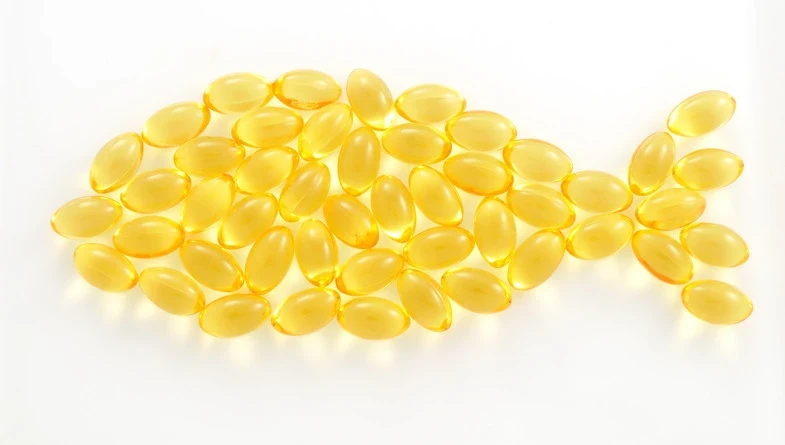
Focus on these immune-supporting foods: citrus fruits for vitamin C, leafy greens for folate, nuts and seeds for zinc and vitamin E, and fatty fish for omega-3 fatty acids. Garlic, ginger, and turmeric contain compounds that directly enhance immune cell activity.
Quality sleep ranks as the most powerful natural immune support strategy. During deep sleep, your body produces infection-fighting cells and antibodies. Aim for 7-9 hours of consistent, restorative sleep nightly.
Moderate exercise boosts immune function, but excessive training can temporarily suppress immunity. Find your sweet spot with 150 minutes of moderate activity weekly, including both cardiovascular exercise and strength training.
Your gut houses approximately 70% of your immune system, making digestive health crucial for overall immunity. A diverse microbiome supports robust immune responses and helps distinguish between harmful pathogens and beneficial substances.
Incorporate fermented foods like yogurt, kefir, and sauerkraut to introduce beneficial bacteria. Prebiotic foods such as garlic, onions, and asparagus feed these good bacteria, creating a thriving gut environment that supports immune system support.
While whole foods provide the best foundation, specific vitamins play crucial roles in immune function. Understanding which vitamins for immunity offer genuine benefits helps you make informed supplementation decisions.
Vitamin D stands out as the most critical immune-supporting nutrient. Research shows that adequate vitamin D levels reduce respiratory infection risk by up to 42%. Most adults need 2000-4000 IU daily, but it's crucial to consult with a healthcare provider for personalized dosing and consider blood testing for optimal levels.
Vitamin C supports various immune functions, though megadoses don't provide additional benefits. The optimal range sits between 500-1000mg daily, preferably from whole food sources or high-quality supplements.
Zinc deficiency impairs immune function more than any other nutrient deficiency. Adults need 8-11mg daily, but avoid exceeding 40mg as excessive zinc can actually suppress immunity.
Supplements for immune defense vary dramatically in quality and bioavailability. Look for third-party tested products with verified potency and purity. Our Curcumin Wonder Latte delivers 500mg of bioactive curcumin, providing powerful anti-inflammatory support that enhances immune function naturally.
Timing matters for supplement effectiveness. Fat-soluble vitamins (A, D, E, K) absorb better with meals containing healthy fats, while vitamin C works best on an empty stomach for maximum absorption.
While building robust immunity takes time, you can implement strategies that provide noticeable improvements within seven days. This how to boost immune system protocol focuses on high-impact interventions that work quickly.
Day 1-2: Prioritize sleep optimization and stress reduction. Establish a consistent bedtime routine and practice deep breathing exercises. Begin taking vitamin D if you're deficient.
Day 3-4: Increase antioxidant-rich food intake and eliminate processed foods. Add our functional mushroom coffees like Reishi for stress reduction or Chaga for antioxidant support. These provide immune benefits without the crash associated with regular coffee.
Day 5-7: Incorporate moderate exercise and continue building healthy habits. Monitor your energy levels and sleep quality as early indicators of immune system improvements.
Remember, sustainable immune system health requires consistency rather than perfection. Small, daily actions compound over time to create significant improvements in your body's defense capabilities.
Building lasting immunity requires a comprehensive approach that evolves with your changing needs. Seasonal adjustments, age-related considerations, and lifestyle changes all influence your optimal immune support strategy.
Create personalized protocols based on your unique circumstances. Athletes need different support than sedentary individuals, and older adults require adjusted approaches compared to younger people. Regular assessment helps you fine-tune your strategy for maximum effectiveness.
Consider rotating certain supplements to prevent tolerance and maintain effectiveness. Our Max Magnesium supports immune function through better sleep quality and stress management, while Outshine Omega 3 provides anti-inflammatory support that enhances overall immune response.
Track your progress through objective measures like illness frequency, recovery time, and energy levels. This data helps you identify which interventions provide the most benefit for your specific situation.
Daily immune support through nutrition and lifestyle factors is beneficial and safe. However, certain supplements work better with cycling approaches. Basic nutrients like vitamin D and omega-3s can be taken daily, while others like high-dose vitamin C might be more effective when used strategically during times of increased stress or exposure.
A robust immune system typically shows these indicators: quick recovery from minor illnesses (3-5 days for common colds), consistent energy levels throughout the day, infrequent infections, fast wound healing, and stable mood and cognitive function. These signs reflect your body's ability to maintain balance and respond effectively to challenges.
While significant immune improvements take weeks, you can support your system quickly through adequate hydration, quality sleep, stress reduction, and nutrient-dense meals. Avoid alcohol and processed foods, get sunlight exposure for vitamin D, and practice deep breathing. These actions optimize your existing immune function rather than creating new capabilities.
Adults 25-35 benefit most from stress management and consistent sleep schedules. Those 35-45 should focus on anti-inflammatory foods and regular exercise. Adults over 45 often need additional vitamin D, omega-3s, and digestive support. Regardless of age, whole foods provide the best foundation for immune health.
Effective immune support combines evidence-based nutrition, quality sleep, stress management, and targeted supplementation. The most successful approaches focus on supporting your body's existing capabilities rather than seeking magical solutions.
Start with foundational lifestyle factors before adding supplements. Consistency matters more than perfection, and gradual improvements lead to lasting results. Remember that your immune system is remarkably capable when given the right tools and environment to thrive.


Someone sent you
Powered by ReferRush