


Hyaluronic Acid Foods: Your Complete Guide

Get personalised recommendations with our assessment.
Personalised Health Diagnosis (PHD)
Your skin loses 1% of its hyaluronic acid production every year after age 20. That's a sobering reality in a world where the global hyaluronic acid market is projected to hit $7.2 billion by 2025. But here's the plot twist: you don't need to shell out hundreds on serums and supplements. Your kitchen holds the key to naturally boosting this moisture-magnet molecule. We're about to dive into 15+ scientifically-backed hyaluronic acid rich foods that can transform your skin hydration, joint health, and overall wellness from the inside out.
Hyaluronic acid is nature's ultimate moisture magnet. This gel-like substance can hold up to 1,000 times its weight in water, making it crucial for maintaining skin plumpness, joint lubrication, and cellular hydration. Think of it as your body's internal fountain of youth. But here's where it gets interesting. Your body naturally produces hyaluronic acid, but production peaks in your twenties and then steadily declines. By age 40, you've lost nearly half of your natural HA levels. This decline shows up as fine lines, joint stiffness, and slower wound healing.
Not all hyaluronic acid food sources work the same way. Some foods contain HA directly, others provide the building blocks your body needs to synthesize more, and certain foods prevent the breakdown of existing HA.
While most people associate HA with skincare, its benefits extend far beyond surface-level beauty. This molecule supports wound healing, maintains eye moisture, lubricates joints, and even plays a role in immune function. When you optimize HA through diet, you're investing in comprehensive wellness.
Let's cut through the noise and focus on foods that actually move the needle. These aren't trendy superfoods with questionable benefits – they're scientifically-backed sources that your body can actually use.
Bone broth tops the list with 2-5mg of HA per cup. The slow-cooking process extracts HA from animal cartilage and bones, creating a bioavailable form your body readily absorbs. Choose grass-fed sources for maximum potency. Organ meats like liver, kidney, and heart contain concentrated amounts of HA. While they might not be Instagram-worthy, these nutrient powerhouses deliver more HA per serving than most supplements.
Root vegetables provide the magnesium and manganese your body needs to manufacture HA. Sweet potatoes, carrots, and parsnips are particularly rich in these cofactors. A medium sweet potato delivers about 15% of your daily magnesium needs. Leafy greens supply folate and B-vitamins essential for HA synthesis. Spinach and kale also provide vitamin K, which supports the enzymes involved in HA production.
Citrus fruits and berries are loaded with vitamin C and antioxidants that protect existing HA from free radical damage. One orange provides over 100% of your daily vitamin C needs – a crucial nutrient for maintaining HA levels. Bell peppers contain more vitamin C than citrus fruits, plus they provide quercetin, a flavonoid that specifically protects HA from enzymatic breakdown.
Your skin is your body's largest organ, and it's often the first place HA deficiency shows up. The good news? Strategic food choices can dramatically improve skin hydration and elasticity. The skin-food connection isn't just about individual nutrients – it's about creating synergies. Vitamin C from citrus fruits works with the amino acids in bone broth to support both collagen and HA production. This is why isolated supplements often fall short compared to whole food approaches.
Start your day with bone broth or add collagen-rich foods to your breakfast. Include at least three different colored vegetables at lunch to ensure diverse antioxidant intake. End with omega-3 rich fish or nuts to support skin barrier function.
Skin cell turnover takes 28 days, so expect to see initial improvements in hydration within 2-3 weeks. Deeper changes in elasticity and fine lines typically appear after 6-8 weeks of consistent dietary changes.
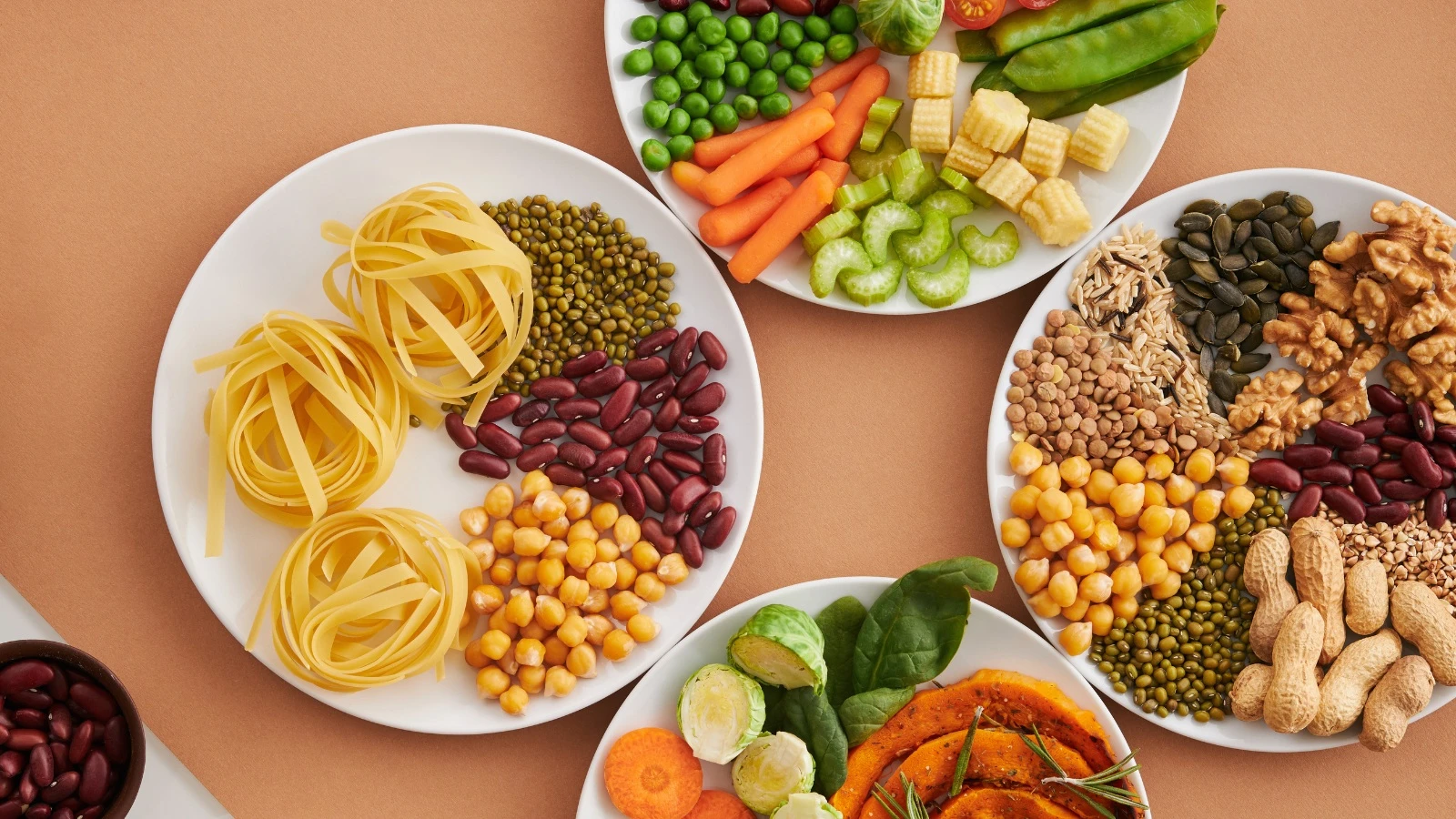
Plant-based eaters face unique challenges since the highest HA concentrations come from animal sources. But don't worry – there's a strategic workaround that might actually be more effective long-term. Instead of focusing on direct HA sources, plant-based diets should emphasize synthesis support. This means prioritizing foods rich in magnesium, manganese, and zinc – the cofactors your body needs to manufacture its own HA.
Fermented foods like natto, miso, and kimchi support gut health, which directly impacts HA production. Your gut bacteria play a crucial role in synthesizing the precursors needed for HA formation.
Alfalfa sprouts and broccoli microgreens contain concentrated amounts of nutrients needed for HA synthesis. They're also rich in sulforaphane, which protects existing HA from oxidative damage.
Hyaluronic acid and collagen work as a team in your joints. HA provides the lubrication while collagen gives structure. Supporting both through diet creates a synergistic effect that's greater than the sum of its parts. Joint cartilage is about 70% water, and HA is what keeps that water in place. Without adequate HA, cartilage becomes brittle and prone to damage. This is why foods for joint health should always include HA-supporting options.
Chronic inflammation accelerates HA breakdown. Fatty fish like salmon and sardines provide omega-3s that reduce inflammatory markers. Turmeric and ginger offer additional anti-inflammatory compounds that protect joint tissues.
Movement stimulates HA production in joints, but only if you have the raw materials available. Combining regular exercise with HA-rich foods creates an optimal environment for joint health.
Timing and food combinations matter more than most people realize. Your body's HA production follows circadian rhythms, peaking during sleep. This means evening meals rich in HA precursors can be particularly effective. Cooking methods significantly impact HA content. High heat destroys HA molecules, so gentle cooking methods like steaming or slow-cooking preserve more of the beneficial compounds. Raw foods obviously retain all their HA content.
HA can only work its magic in the presence of adequate water. Aim for half your body weight in ounces of water daily, and increase this if you're consuming HA-rich foods. Proper hydration can amplify the effects of dietary HA by up to 300%.
Processed foods high in advanced glycation end products (AGEs) interfere with HA synthesis. Excessive sugar intake also promotes inflammation that breaks down existing HA. Alcohol dehydrates tissues and impairs the enzymes needed for HA production.
Absolutely. HA improves skin hydration by binding water molecules to skin cells. This creates a plumping effect that reduces fine lines and gives skin a natural glow. Most people notice improved skin texture within 2-3 weeks of increasing HA-rich foods.
Yes, HA supports scalp hydration and hair follicle health. Well-hydrated follicles produce stronger, shinier hair. The same foods that benefit skin also support healthy hair growth and reduce breakage.
Focus on three strategies: eat foods containing HA directly (bone broth, organ meats), consume foods that support HA synthesis (root vegetables, leafy greens), and include antioxidant-rich foods that prevent HA breakdown (citrus, berries).
Skin hydration improvements typically appear within 2-3 weeks. Joint comfort may take 4-6 weeks to notice. For significant changes in skin elasticity and fine lines, expect 6-8 weeks of consistent dietary changes.
HA-rich whole foods are generally safe for everyone. However, people with shellfish allergies should be cautious with certain bone broths. Those with gout should moderate organ meat consumption due to purine content.
For most people, a well-planned diet can provide adequate HA support. However, those over 50 or with specific health conditions might benefit from combining food sources with targeted supplementation.
Bone broth leads with 2-5mg per cup, followed by organ meats (1-3mg per serving), and chicken skin/cartilage (0.5-1mg per serving). Plant foods don't contain HA directly but provide synthesis support.
Yes, significantly. High heat destroys HA molecules. Slow-cooking and steaming preserve more HA than frying or grilling. For maximum benefit, include both cooked and raw HA-supporting foods in your diet.
Your body's declining HA production isn't inevitable – it's manageable through strategic food choices. The most effective approach combines direct HA sources like bone broth with synthesis-supporting foods like root vegetables and breakdown-preventing antioxidants from colorful fruits and vegetables. Start with adding one HA-rich food to each meal. Prioritize hydration to amplify the effects. Be patient – real changes take time, but they're worth the wait. Your skin, joints, and overall health will thank you for choosing food over expensive supplements. Remember, consistency beats perfection. You don't need to overhaul your entire diet overnight. Small, sustainable changes compound over time to create significant improvements in how you look and feel.


Someone sent you
Powered by ReferRush