


How to Use Easy Vegetarian Immunity Boosters for Stronger Health

Get personalised recommendations with our assessment.
Personalised Health Diagnosis (PHD)
Your immune system doesn't need to be complicated. While the wellness world throws around fancy supplements and complex protocols, the truth is simpler: easy vegetarian immunity boosters are hiding in plain sight in your kitchen. Plant-powered nutrition offers some of the most potent immune-supporting compounds on the planet, and you don't need a PhD in nutrition to harness them. The science is clear—vegetarian diets packed with the right foods can supercharge your body's natural defenses better than most synthetic alternatives.
Here's what the supplement industry doesn't want you to know: plant-based immunity foods deliver a complex symphony of nutrients that isolated vitamins simply can't match. When you bite into a bell pepper, you're not just getting vitamin C—you're getting bioflavonoids, carotenoids, and dozens of other compounds that work together to optimize immune function.
Research consistently shows that people following vegetarian diets have lower levels of inflammatory markers and stronger immune responses. A 2020 study in the Journal of Nutrition found that vegetarians had 40% higher levels of protective antioxidants in their blood compared to meat-eaters. The reason? Plants are biochemical powerhouses designed to protect themselves from environmental threats—and those same protective compounds transfer to you.
Vegetarian diets naturally pack more immune-supporting nutrients per calorie. You're getting fiber that feeds beneficial gut bacteria, polyphenols that reduce inflammation, and phytochemicals that activate your body's natural detox pathways. It's like upgrading from basic cable to premium streaming—same screen, completely different experience.
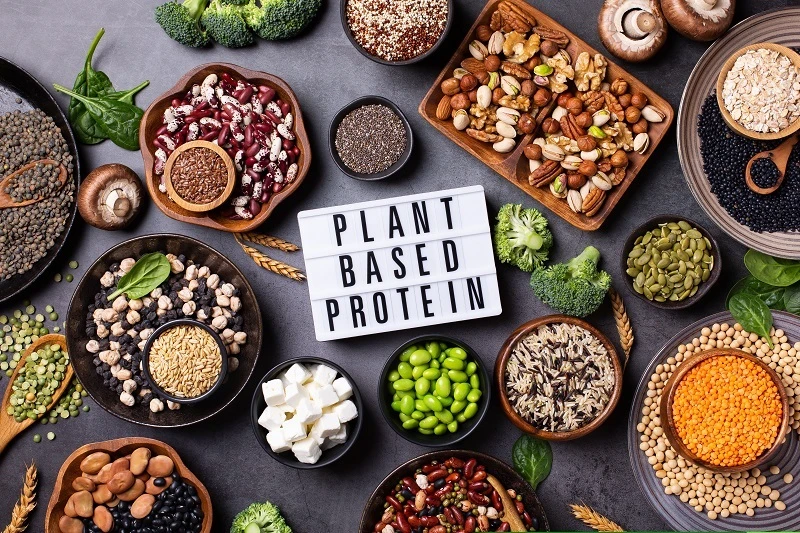
The biggest concern people have about vegetarian diet for strong immunity is protein. Here's the reality: your immune system needs amino acids, not animal products. Plant proteins from legumes, nuts, and seeds provide all essential amino acids when eaten throughout the day. Plus, they come without the inflammatory compounds found in processed meats.
Let's cut through the noise and focus on what actually works. These foods to boost immunity vegetarian diets should prioritize are backed by solid science and available at any grocery store.
The key is consistency, not perfection. You don't need to eat every single immune-boosting food every day—but incorporating several of these daily will create a strong foundation for your immune system.
Forget expensive vitamin C supplements. One medium bell pepper contains 190mg of vitamin C—more than double your daily needs. Pair it with strawberries (85mg per cup) or kiwi (273mg per cup) for a vitamin C powerhouse that actually tastes good.
Pro tip: eat vitamin C foods raw when possible. Heat destroys this delicate vitamin, so save the cooking for other nutrients.
Dark leafy greens like spinach and kale are loaded with beta-carotene, which your body converts to vitamin A—essential for maintaining the integrity of your respiratory and digestive tract linings. Sweet potatoes and carrots deliver the same benefits with a satisfying sweetness that makes healthy eating feel less like work.
Garlic contains allicin, a compound that's been shown to reduce the severity of cold symptoms by up to 70%. Ginger provides gingerol, which has powerful anti-inflammatory effects. Turmeric delivers curcumin, one of nature's most potent anti-inflammatory compounds. These aren't just flavor enhancers—they're medicine disguised as food.
While whole foods should be your foundation, certain herbs for immunity vegetarian approaches have used for centuries are now backed by modern research. These aren't trendy superfoods—they're time-tested allies with proven track records.
The beauty of herbal immune support is that these plants have evolved sophisticated defense mechanisms over millions of years. When you consume them, you're borrowing their survival strategies for your own immune system.
Elderberry has been shown to reduce the duration of flu symptoms by up to 4 days. Echinacea can reduce your risk of catching a cold by 58%. Astragalus helps regulate immune function, preventing both under-activity and overactivity. Holy basil acts as an adaptogen, helping your body manage stress—a major immune suppressor.
The key is quality and consistency. Fresh herbs are ideal, but high-quality dried herbs work well too. Start with small amounts and gradually increase as your body adapts. We've incorporated some of these powerful compounds into our Curcumin Wonder Latte, which delivers 500mg of bioavailable curcumin in a delicious, modern take on traditional haldi doodh.
Here's where many vegetarians stumble: focusing on what they're avoiding instead of what they need to include. Certain vitamins for immune system vegetarian diets require extra attention, but with smart planning, you can optimize every nutrient.
The goal isn't perfection—it's strategic supplementation where needed and food-first approaches where possible. Your immune system is only as strong as its weakest nutritional link.
Vitamin B12 deficiency can severely compromise immune function, and it's virtually impossible to get adequate amounts from plant foods alone. Quality supplementation is non-negotiable for vegetarians. Vitamin D works synergistically with your immune system—low levels are associated with increased susceptibility to respiratory infections.
Zinc from pumpkin seeds, cashews, and chickpeas supports immune cell development. Iron from lentils, spinach, and quinoa helps transport oxygen to immune cells. Selenium from Brazil nuts (just 2-3 daily) acts as a powerful antioxidant. The trick is pairing these foods with vitamin C to enhance absorption.
Theory is useless without application. These immune-boosting vegetarian recipes are designed for real life—quick enough for busy schedules, delicious enough that you'll actually want to eat them, and packed with the nutrients your immune system craves.
The secret is batch cooking and smart combinations. When you understand which nutrients work together, meal planning becomes strategic rather than random.
Start your day with a smoothie combining spinach, berries, ginger, and a scoop of our DAILY Protein for complete amino acids. The vitamin C enhances iron absorption from the spinach, while the protein provides building blocks for immune cells. Add turmeric and black pepper for enhanced curcumin absorption.
Build bowls around quinoa or lentils for protein, add colorful vegetables for antioxidants, include healthy fats from avocado or nuts for nutrient absorption, and finish with herbs and spices for additional immune support. It's nutrition science made simple and delicious.
One-pot meals are your friend. Combine immune-supporting ingredients like garlic, ginger, turmeric, vegetables, and legumes in soups, stews, or curries. These dishes improve with time, making them perfect for meal prep.
Food is foundational, but it's not everything. The most effective vegetarian ways to strengthen immunity address your entire lifestyle ecosystem. Your immune system doesn't exist in isolation—it's influenced by sleep, stress, movement, and gut health.
Think of immune support as a 360-degree approach. You can eat all the right foods, but if you're chronically stressed and sleep-deprived, you're fighting an uphill battle.
Seventy percent of your immune system lives in your gut. Fermented foods like kimchi, sauerkraut, and plant-based yogurts feed beneficial bacteria that communicate directly with immune cells. Include prebiotic foods like garlic, onions, and asparagus to keep these beneficial bacteria thriving.
Poor sleep can reduce vaccine effectiveness by up to 50%. Chronic stress elevates cortisol, which suppresses immune function. Our Reishi coffee provides natural compounds that support relaxation and sleep quality without the crash of traditional caffeine.
Even well-intentioned vegetarians make critical errors that undermine their immune health. Avoiding these pitfalls can be the difference between thriving and just surviving.
The biggest mistake? Assuming that vegetarian automatically equals healthy. Processed vegetarian foods can be just as inflammatory as their conventional counterparts. Focus on whole foods, not food products.
Another common error is nutrient timing. Taking iron and calcium together reduces absorption of both. Eating vitamin C with iron-rich foods enhances absorption. These details matter when you're optimizing for immune function.
Over-supplementation is also problematic. More isn't always better—some nutrients compete for absorption, while others can become toxic in high doses. Food-first approaches with strategic supplementation work better than megadoses of isolated nutrients.
You can see improvements in immune markers within 2-4 weeks of consistent dietary changes. However, building robust immunity is a long-term process that requires sustained healthy habits rather than quick fixes.
Yes, when properly planned. Focus on easily digestible foods like soups with ginger and garlic, vitamin C-rich fruits, and adequate hydration. The anti-inflammatory nature of plant foods actually supports faster recovery.
Garlic, ginger, turmeric, citrus fruits, leafy greens, and mushrooms should be daily staples. These provide the most research-backed immune benefits and are easily incorporated into regular meals.
Absolutely. Combine legumes, nuts, seeds, and whole grains throughout the day. Our plant proteins provide complete amino acid profiles with 20-30g per serving, making it easy to meet immune system protein needs.
B12 and vitamin D supplementation are typically necessary. Other nutrients can usually be obtained through food, though individual needs vary based on absorption, health status, and dietary variety.
Building bulletproof immunity through vegetarian nutrition isn't about perfection—it's about consistency and smart choices. Focus on whole foods rich in vitamin C, antioxidants, and anti-inflammatory compounds. Include immune-supporting herbs and spices daily. Address the few nutrients that require extra attention through quality supplementation.
Remember that immune health extends beyond food. Sleep, stress management, and gut health are equally important. The most powerful natural immune enhancers vegetarian approaches combine optimal nutrition with lifestyle practices that support your body's natural defense systems. Start with small, sustainable changes and build from there. Your immune system will thank you.


Someone sent you
Powered by ReferRush