


How to Optimize Immune Response: A Step-by-Step Guide

Get personalised recommendations with our assessment.
Personalised Health Diagnosis (PHD)
Forget everything you've heard about immunity. Your immune system works around the clock to protect you from threats, but most people think "boosting" immunity means taking a magic pill or drinking a special smoothie. That's not how it works. Real immune optimization is about creating the right conditions for your body's natural defense mechanisms to function at their peak. It's a systematic approach that involves nutrition, sleep, exercise, stress management, and daily habits that work together to strengthen immune defenses naturally.
Before diving into how to optimize immune response, you need to understand what you're working with. Your immune system isn't a single organ—it's a complex network of cells, tissues, and organs that work together to defend your body. Think of it as your personal security team, with two main divisions: innate immunity (your first line of defense) and adaptive immunity (your specialized response unit).
The innate immune system includes physical barriers like your skin and mucous membranes, plus immune cells that respond immediately to threats. Your adaptive immune system, on the other hand, creates specific responses to particular pathogens and remembers them for future encounters. This is why vaccines work and why you typically don't get the same cold twice.
Your immune cells each have specific roles. T-cells coordinate immune responses and directly attack infected cells. B-cells produce antibodies that neutralize pathogens. Natural killer (NK) cells destroy virus-infected and cancerous cells. When these cells function optimally, you experience fewer infections, faster recovery times, and better overall health.
Nutrition forms the backbone of immune system health. Our plant-powered approach means your immune cells need specific nutrients to function properly, and deficiencies in key vitamins and minerals can significantly weaken your body's ability to fight off infections. This isn't about expensive supplements—it's about understanding which nutrients matter most and how to get them consistently.
The most critical immune-supporting nutrients include vitamins A, C, D, and E, along with zinc, selenium, and iron. Vitamin D, for instance, helps regulate both innate and adaptive immune responses. Zinc is essential for immune cell development and communication. Vitamin C supports the production and function of white blood cells.
Focus on getting these nutrients from whole food sources whenever possible. Vitamin A comes from orange and yellow vegetables like carrots and sweet potatoes. Vitamin C is abundant in citrus fruits, bell peppers, and leafy greens. For vitamin D, combine sunlight exposure with fatty fish consumption.
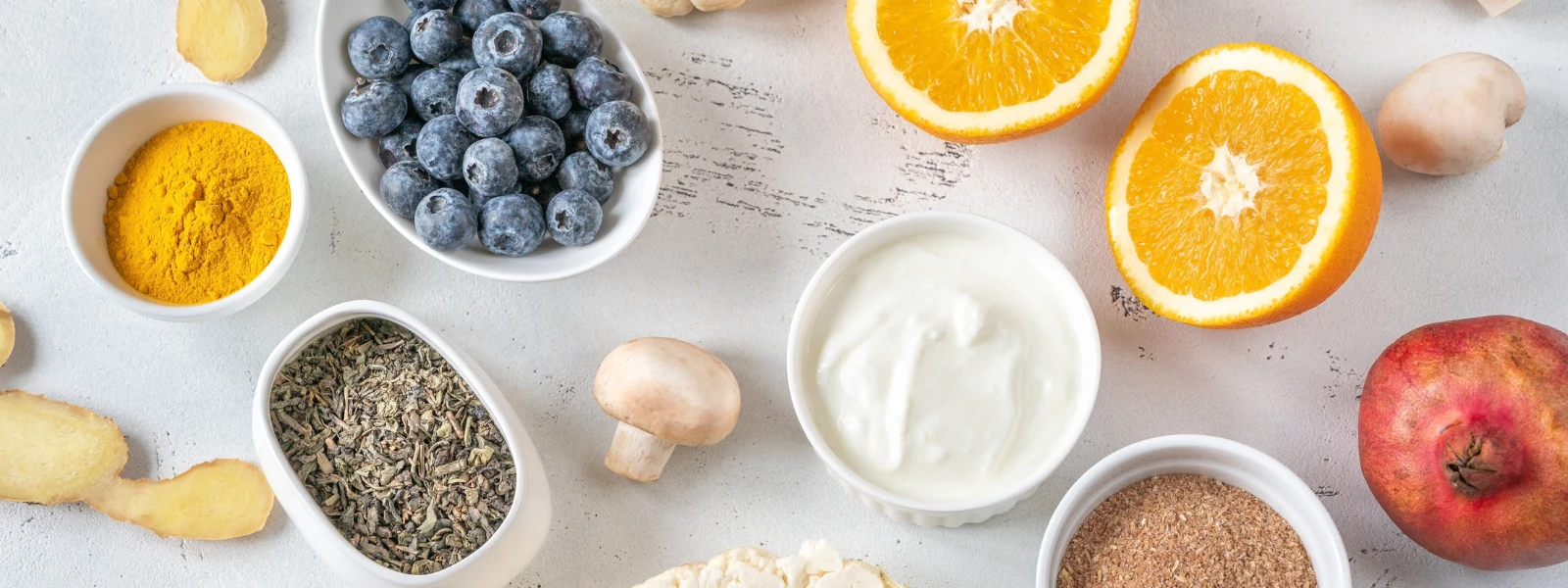
Colorful fruits and vegetables provide antioxidants that protect immune cells from damage. Fermented foods like yogurt, kefir, and sauerkraut support your gut microbiome, which houses about 70% of your immune system. Garlic contains allicin, a compound with antimicrobial properties. Ginger has anti-inflammatory effects that help optimize immune responses.
Processed foods high in sugar can suppress immune function for hours after consumption. Excessive alcohol interferes with immune cell communication and reduces your body's ability to fight infections. Trans fats promote inflammation, which can overwhelm your immune system and reduce its effectiveness against real threats.
Sleep isn't just rest—it's when your immune system does some of its most important work. During sleep, your body produces cytokines, proteins that help fight infection and inflammation. Sleep also enhances the formation of immunological memory, making your adaptive immune system more effective at recognizing and responding to threats.
Research shows that people who sleep less than six hours per night are four times more likely to catch a cold when exposed to the virus. This happens because sleep deprivation reduces the production of protective antibodies and immune cells. Quality sleep is one of the most powerful natural immune boosters available to you.
During deep sleep, your body releases growth hormone, which helps repair and regenerate immune cells. REM sleep supports the consolidation of immunological memory. Both stages are crucial for maintaining strong immune defenses, which is why consistent, quality sleep matters more than just hitting a certain number of hours.
Aim for 7-9 hours of sleep per night, but focus on consistency. Going to bed and waking up at the same time every day helps regulate your circadian rhythm, which influences immune function. Create a sleep-friendly environment: cool, dark, and quiet. Limit blue light exposure from screens for at least an hour before bedtime.
Regular physical activity is one of the most effective ways to improve immunity naturally. Exercise increases the circulation of immune cells, making them more efficient at detecting and eliminating threats. It also reduces chronic inflammation, which can interfere with immune function when left unchecked.
However, there's a sweet spot. Moderate exercise strengthens immunity, but intense, prolonged exercise can temporarily suppress immune function. This is why marathon runners often get sick after races—their immune systems are temporarily compromised from the extreme physical stress.
Moderate exercise increases the production of antibodies and white blood cells. It also causes changes in antibodies and white blood cells that help them circulate more rapidly, detecting illnesses earlier than they might have before. The temporary rise in body temperature during and after exercise may also help the body fight infection better.
Aim for 150 minutes of moderate aerobic activity per week—that's just 30 minutes, five days a week. Include strength training exercises at least twice weekly. Remember that consistency matters more than intensity. A daily 20-minute walk can be more beneficial for your immune system than sporadic intense workouts.
Chronic stress is one of the biggest threats to immune system wellness. Forget everything you've heard about immunity; when you're stressed, your body produces cortisol, a hormone that suppresses immune function. Short-term stress can actually enhance immunity, but chronic stress keeps cortisol levels elevated, leading to increased susceptibility to infections and slower wound healing.
The connection between stress and immunity goes deeper than just cortisol. Chronic stress affects the gut microbiome, which plays a crucial role in immune function. It also disrupts sleep patterns and often leads to poor dietary choices, creating a cascade of immune-suppressing effects.
Acute stress can temporarily boost immune function—think of the adrenaline rush that helps you avoid danger. But when stress becomes chronic, it shifts your immune system toward inflammation and away from infection-fighting capabilities. This is why people under chronic stress get sick more often and take longer to recover.
Meditation and mindfulness practices have been shown to reduce cortisol levels and improve immune function. Even 10 minutes of daily meditation can make a difference. Deep breathing exercises activate your parasympathetic nervous system, countering stress responses. Strong social connections also buffer stress and support immune function through various psychological and physiological mechanisms.
While nutrition, sleep, exercise, and stress management optimize your internal immune defenses, good hygiene practices reduce your exposure to pathogens in the first place. This isn't about being obsessive—it's about smart, consistent habits that reduce your pathogen load and give your immune system a fighting chance.
Proper handwashing remains one of the most effective ways to prevent illness. Most people don't wash their hands correctly or frequently enough. The technique matters: use soap and warm water, scrub for at least 20 seconds, and don't forget your thumbs, fingertips, and the backs of your hands.
Wash your hands before eating, after using the bathroom, after touching public surfaces, and when you come home. Clean frequently-touched surfaces like your phone, keyboard, and doorknobs regularly. Practice respiratory etiquette by covering coughs and sneezes with your elbow, not your hands.
Good indoor air quality supports respiratory health and reduces pathogen transmission. Stay hydrated—dehydration can weaken immune function by affecting the mucous membranes that trap pathogens. Maintain your vaccination schedule as recommended by healthcare providers. Even brief cold exposure can stimulate immune function, though this should be done gradually and safely, not as shock therapy.
Now that you understand the key strategies to optimize immune response, it's time to create a personalized plan that fits your lifestyle. Start by assessing your current habits in each area: nutrition, sleep, exercise, stress management, and hygiene. Identify the areas where you have the most room for improvement—these will give you the biggest return on investment.
Remember, sustainable change happens gradually. Don't try to overhaul everything at once. Pick one or two areas to focus on first, establish those habits, then add more. This approach is more likely to lead to lasting changes that genuinely enhance your body's defenses over time.
Use habit stacking to make new behaviors stick. For example, take your Curcumin Wonder Latte with your morning coffee, or do five minutes of deep breathing after brushing your teeth. Track your progress with simple metrics like hours of sleep, servings of vegetables, or minutes of exercise. Celebrate small wins along the way.
Some improvements can happen within days—better sleep and reduced stress can enhance immune function relatively quickly. However, building robust, long-term immune health takes weeks to months of consistent healthy habits. Focus on sustainable changes rather than quick fixes.
The most effective natural immune boosters are adequate sleep (7-9 hours), regular moderate exercise, a nutrient-dense diet rich in fruits and vegetables, stress management, and good hygiene practices. These work better than any single supplement or superfood. Here's what the wellness industry won't tell you: supplements can't replace these foundational habits.
No. While certain supplements can help fill nutritional gaps, they cannot replace the foundational habits of good sleep, nutrition, exercise, and stress management. Think of supplements as insurance, not primary immune support. The supplement industry often pushes low-quality products, but our plant-powered solutions prioritize potency and purity, offering a superior approach to your well-being.
Signs of a well-functioning immune system include infrequent illness, quick recovery when you do get sick, consistent energy levels, healthy skin, and good wound healing. If you're constantly getting sick or taking a long time to recover, it may indicate your immune system needs support.
Optimizing your immune response isn't about finding a magic bullet—it's about creating the right conditions for your body's natural defense systems to thrive. Forget everything you've heard about immunity; focus on the fundamentals: quality sleep, nutrient-dense nutrition, regular moderate exercise, effective stress management, and consistent hygiene practices. These strategies work synergistically to strengthen immune defenses and support long-term health.
Remember, consistency beats perfection. Small, sustainable changes maintained over time will have a much greater impact on your immune system wellness than sporadic intense efforts. Start where you are, use what you have, and do what you can. Your immune system will thank you for it.


Someone sent you
Powered by ReferRush