


How Plant Nutrition Fuels Your Muscle Recovery

Get personalised recommendations with our assessment.
Personalised Health Diagnosis (PHD)
The fitness world has been stuck in an outdated narrative for decades—that plant nutrition can't fuel serious muscle recovery. This myth has kept countless athletes from tapping into nature's most powerful recovery arsenal. Recent research reveals that plant-based nutrients don't just match traditional recovery foods—they often outperform them. From elite athletes crushing personal records to weekend warriors bouncing back faster, the science is crystal clear: plants pack the perfect combination of protein, antioxidants, and anti-inflammatory compounds your muscles crave.
Understanding how plant nutrition for muscle recovery works starts with grasping what actually happens in your muscles post-workout. When you exercise, you create microscopic tears in muscle fibers—this isn't damage, it's the foundation of growth. Your body responds by flooding these areas with nutrients to rebuild stronger tissue.
Muscle protein synthesis kicks into high gear within hours of your workout. This process requires a steady supply of amino acids for recovery, the building blocks that patch up and strengthen muscle fibers. Simultaneously, your body battles inflammation and oxidative stress—byproducts of intense exercise that can slow recovery if left unchecked.
Plants deliver a one-two punch that animal-based foods simply can't match. They provide complete amino acid profiles while simultaneously flooding your system with antioxidants and anti-inflammatory compounds. Studies show that plant foods contain up to 64 times more antioxidants than animal products, giving your muscles the tools they need to recover faster and stronger.
The "incomplete protein" myth has been thoroughly debunked by modern nutrition science. Plant proteins deliver all essential amino acids your muscles need, often with better bioavailability than their animal counterparts. The key lies in understanding how to optimize your protein for muscle growth intake.
Quinoa, hemp seeds, and soy provide complete amino acid profiles in single foods. Even "incomplete" proteins like beans and rice become complete when combined—something your body does naturally throughout the day. Research shows that as long as you eat varied plant proteins within 24 hours, your muscles get everything they need.
Legumes pack 15-18 grams of protein per cup, plus fiber that supports gut health and nutrient absorption. Ancient grains like quinoa deliver 8 grams per cup alongside complex carbohydrates for sustained energy. Seeds and nuts provide protein plus healthy fats that reduce inflammation. Our plant-based protein powders concentrate these benefits into convenient, highly bioavailable forms that your muscles can use immediately.
Beyond protein, specific muscle repair foods contain compounds that actively speed recovery. These nutritional powerhouses work at the cellular level to reduce inflammation, combat oxidative stress, and optimize the muscle-building process. Smart athletes fuel their recovery with these targeted nutrients.
Tart cherries contain anthocyanins that reduce muscle soreness by up to 40% in studies. Blueberries pack similar compounds while delivering vitamin C for collagen synthesis. Dark leafy greens provide folate and vitamin A that support cellular repair processes throughout your body.
Turmeric's curcumin reduces exercise-induced inflammation more effectively than many pharmaceutical options. Ginger accelerates muscle recovery while settling post-workout digestive issues. Green tea polyphenols protect against oxidative damage while supporting fat metabolism during recovery periods.
Your post-workout nutrition window represents a critical opportunity to maximize recovery gains. During this period, your muscles become nutrient sponges, rapidly absorbing whatever you provide. Plant-based foods excel here because they deliver nutrients in forms your body recognizes and processes efficiently.
Aim for a 3:1 or 4:1 carbohydrate-to-protein ratio immediately post-workout. A banana with almond butter hits this target perfectly while providing potassium for muscle function. Plant-based protein smoothies with berries deliver fast-acting nutrients that kickstart recovery processes within minutes.
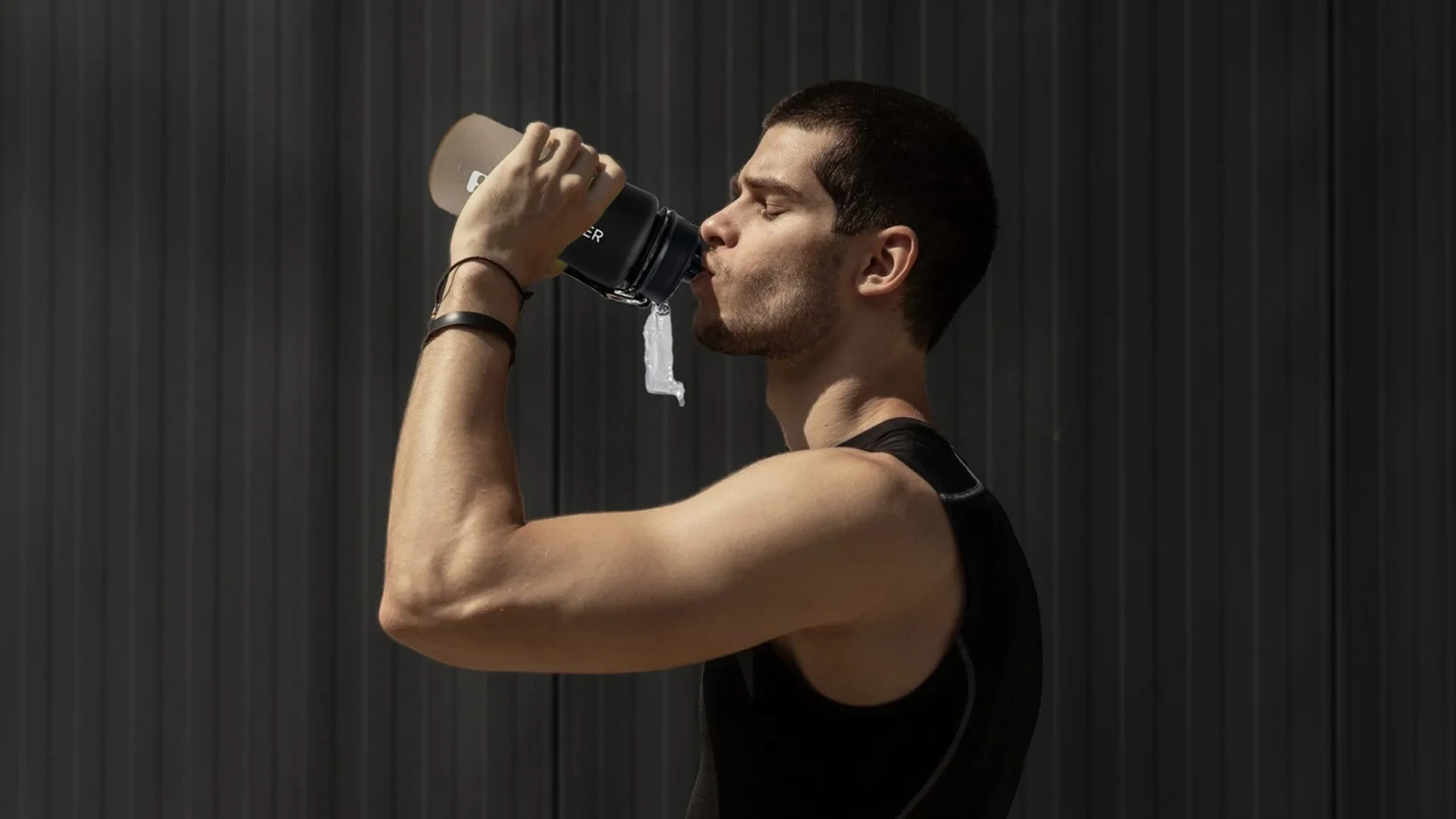
Proper hydration for muscle function goes beyond plain water. Coconut water provides natural electrolytes without artificial additives found in commercial sports drinks. Watermelon juice delivers citrulline, an amino acid that improves blood flow to recovering muscles. Even cucumber-infused water provides silica for connective tissue repair.
Creating an effective athletes nutrition plan requires strategic thinking about nutrient timing, food combinations, and individual needs. Plant-based nutrition offers incredible flexibility while ensuring you never miss critical recovery nutrients. The key lies in understanding how different foods work together to optimize your results.
Start your day with oatmeal topped with berries and hemp seeds for sustained energy and protein. Pre-workout, choose easily digestible carbs like dates or bananas. Post-workout, blend plant protein with fruits for rapid nutrient delivery. Evening meals should emphasize complex carbs and anti-inflammatory foods to support overnight recovery.
Whole foods provide nutrients in synergistic combinations that isolated supplements can't match. However, high-quality plant protein powders offer convenience and concentrated nutrition when whole food preparation isn't practical. Our protein formulations bridge this gap by combining whole food ingredients with optimized bioavailability.
Quinoa, lentils, hemp seeds, and spirulina top the list for protein content. Tart cherries, blueberries, and leafy greens provide antioxidants that reduce inflammation. Nuts and seeds deliver healthy fats that support hormone production and reduce exercise-induced stress.
Protein remains crucial, but recovery requires a symphony of nutrients. Vitamin C supports collagen synthesis, magnesium aids muscle relaxation, and potassium maintains proper muscle function. Plant foods naturally provide these nutrients in optimal ratios.
Turmeric stands out for its powerful anti-inflammatory properties. Ginger reduces muscle soreness, while tart cherry extract has been shown to accelerate recovery in multiple studies. Arnica and chamomile also support muscle healing when consumed as teas.
Absolutely. Plant-based athletes consistently demonstrate that muscle building depends on adequate protein intake and proper training, not protein source. Many elite athletes have switched to plant-based diets and reported improved recovery times and performance gains.
Plant nutrition for muscle recovery isn't just viable—it's optimal. The combination of complete proteins, powerful antioxidants, and natural anti-inflammatory compounds gives plant-based athletes a distinct advantage. By focusing on nutrient timing, food combinations, and quality sources, you can accelerate recovery while building lean muscle mass. The science is clear: plants provide everything your muscles need to recover faster, grow stronger, and perform better.


Someone sent you
Powered by ReferRush