


Essential Vegetarian Nutrients Guide for Vegans: A Complete Checklist

Get personalised recommendations with our assessment.
Personalised Health Diagnosis (PHD)
Plant-based eating has evolved from a niche lifestyle to a mainstream movement, but navigating the nutritional landscape can feel overwhelming. While a well-planned vegan diet offers incredible health benefits, certain nutrients require strategic attention to avoid deficiencies. The key isn't just knowing what nutrients matter—it's understanding how to optimize absorption, timing, and food combinations for peak health. This comprehensive guide cuts through the confusion with a practical checklist approach that ensures you're not just surviving on plants, but absolutely thriving.
The plant-based nutrition game has eight non-negotiables that separate thriving vegans from those struggling with energy crashes and health issues. These aren't suggestions—they're the foundation of sustainable vegan health that requires consistent monitoring and strategic planning.
Vitamin B12 for vegans isn't optional—it's survival. This nutrient exists almost exclusively in animal products, making supplementation absolutely critical for anyone following a plant-based diet. B12 deficiency can take years to manifest, but when it hits, the neurological damage can be irreversible.
Adults need 2.4 micrograms daily, but absorption decreases with age and certain medications. The most effective approach combines a daily 250-500 microgram supplement with weekly 2,500 microgram doses. Sublingual forms bypass potential absorption issues in the gut, while methylcobalamin and adenosylcobalamin are the most bioactive forms your body can actually use.
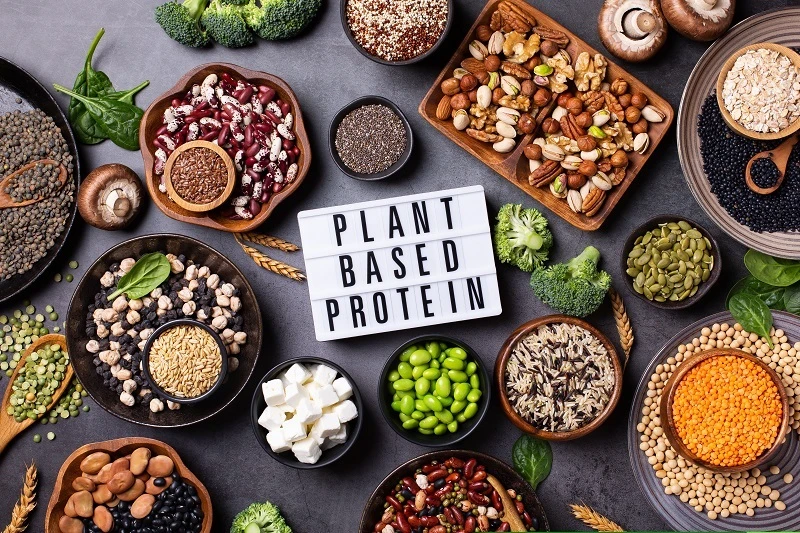
Vegan protein sources aren't just about hitting numbers—they're about amino acid completeness and timing. The outdated "protein combining" myth has been debunked, but strategic pairing still optimizes absorption and muscle protein synthesis.
Aim for 0.8-1.2 grams per kilogram of body weight daily, with higher needs for athletes. Quinoa, buckwheat, hemp seeds, and chia provide complete amino acid profiles. Legume-grain combinations like rice and beans create complete proteins when eaten within the same day. Our protein products are specifically formulated to deliver complete amino acid profiles without the guesswork.
Iron in vegan diet requires strategy since plant-based iron (non-heme) absorbs differently than animal sources. The good news? You can dramatically increase absorption with simple food combinations and timing adjustments.
Pair iron-rich foods like lentils, spinach, and pumpkin seeds with vitamin C sources—citrus, bell peppers, or strawberries. Avoid coffee, tea, and calcium-rich foods within two hours of iron-rich meals. Cast iron cooking can actually boost iron content in foods, especially acidic dishes like tomato-based sauces.
Beyond the big three, several nutrients require consistent attention to prevent subtle deficiencies that can impact energy, immunity, and long-term health. These nutrients often fly under the radar until symptoms become noticeable.
Calcium for plant-based eaters goes far beyond just bone health—it's crucial for muscle function, nerve transmission, and blood clotting. The 1,000-1,200 mg daily requirement is easily achievable with strategic food choices and proper absorption techniques.
Tahini, almonds, kale, and fortified plant milks provide excellent calcium sources. However, oxalates in spinach and beet greens can inhibit absorption, so variety matters. Vitamin D and magnesium work synergistically with calcium, making these nutrients equally important for bone health.
Omega-3 fatty acids vegan sources present unique challenges since EPA and DHA—the most beneficial forms—come primarily from marine sources. While flax, chia, and walnuts provide ALA omega-3s, conversion to EPA and DHA is limited and inefficient.
Algae-based supplements offer direct EPA and DHA without the environmental concerns of fish oil. These supplements provide the same benefits for brain health, inflammation reduction, and cardiovascular protection. Aim for 250-500 mg combined EPA and DHA daily, with higher amounts for specific health conditions.
These three nutrients often get overlooked but play crucial roles in immune function, wound healing, and thyroid health. Vitamin D deficiency affects nearly 40% of the population regardless of diet, making supplementation important for most people.
Zinc absorption from plant foods is lower due to phytates, so soaking grains and legumes improves bioavailability. Pumpkin seeds, hemp hearts, and cashews provide excellent zinc sources. Iodine needs can be met with iodized salt or sea vegetables, but consistency matters for thyroid function.
While supplements fill critical gaps, whole foods should form the foundation of any healthy vegan diet. The synergistic effects of nutrients in whole foods often surpass isolated supplements, making food choices the primary strategy for optimal health.
Plant-based diet vitamins are most bioavailable when consumed in their natural food matrix. Dark leafy greens provide folate, vitamin K, and iron. Colorful vegetables and fruits deliver antioxidants and vitamin C. Nuts and seeds offer healthy fats, protein, and minerals.
Seasonal eating maximizes nutrient density while supporting local agriculture. Winter squashes provide beta-carotene, summer berries deliver anthocyanins, and spring greens offer detoxifying compounds. Raw foods preserve heat-sensitive vitamins, while cooking increases availability of others like lycopene in tomatoes.
Strategic meal composition ensures you're hitting multiple nutritional targets with every plate. The "rainbow approach" naturally provides diverse phytonutrients, while protein-fat-fiber combinations stabilize blood sugar and enhance satiety.
Batch cooking nutrient-dense staples like quinoa, roasted vegetables, and legume-based proteins streamlines healthy eating throughout the week. Meal prep doesn't have to be complicated—simple combinations of prepared components create endless variety while maintaining consistent nutrition.
Knowledge without action remains theoretical. The most comprehensive nutrition plan fails without practical systems for implementation, monitoring, and adjustment based on individual needs and lifestyle factors.
Healthy vegan eating isn't one-size-fits-all. Age, activity level, health conditions, and genetic factors all influence nutrient needs. Athletes require more protein and calories, while older adults may need additional B12 and vitamin D.
Start with basic tracking using apps or food journals to identify patterns and gaps. Focus on one nutrient at a time rather than overwhelming yourself with perfection. Gradual improvements create sustainable habits that last long-term.
Vegan diet deficiencies often stem from relying too heavily on processed foods or inadequate calorie intake. "Junk food vegans" miss out on essential nutrients while consuming excess sodium and refined sugars.
Undereating is surprisingly common among new vegans who struggle with satiety from high-fiber foods. Adequate calories are essential for nutrient absorption and overall health. Include calorie-dense foods like nuts, seeds, avocados, and healthy oils to meet energy needs.
The supplement industry loves to overcomplicate vegan nutrition, but evidence-based supplementation focuses on just a few key nutrients that are difficult to obtain from food alone. Quality matters more than quantity when choosing supplements.
B12 supplementation is non-negotiable for vegans, while vitamin D affects most people regardless of diet. Omega-3 supplements become important for those not consuming adequate algae-based sources. Iron supplementation should only occur after testing confirms deficiency.
Third-party testing ensures supplement purity and potency. Look for USP, NSF, or similar certifications. Our supplement line focuses on these evidence-based essentials with maximum bioavailability and purity standards that are rare in the Indian market.
Annual blood work provides objective data about your nutritional status. Key markers include B12, vitamin D, iron studies, and omega-3 index. These tests guide supplementation decisions and dietary adjustments.
Work with healthcare providers familiar with plant-based nutrition. Many doctors lack training in vegan nutrition, so finding knowledgeable practitioners ensures appropriate interpretation of results and recommendations.
B12 is the most critical deficiency risk, followed by vitamin D, omega-3 fatty acids (EPA/DHA), iron, zinc, and calcium. However, well-planned vegan diets can meet all nutritional needs with appropriate supplementation for B12 and potentially vitamin D.
Absolutely. Plant proteins can easily meet and exceed protein requirements when calories are adequate. Combining different protein sources throughout the day ensures complete amino acid profiles. Athletes and active individuals may benefit from concentrated plant protein supplements.
Yes, B12 supplementation is essential for all vegans regardless of how "clean" or "whole food" their diet is. B12 is produced by bacteria and is virtually absent from plant foods. Even small amounts of animal products don't provide adequate B12 for optimal health.
ALA omega-3s come from flax, chia, hemp, and walnuts, but conversion to EPA and DHA is limited. Algae-based supplements provide direct EPA and DHA without environmental concerns. These supplements are derived from the same algae that fish consume to obtain their omega-3s.
Vegetarians who consume dairy and eggs have easier access to B12, complete proteins, and some omega-3s. However, both groups benefit from attention to iron, zinc, and vitamin D. Vegans require more strategic planning but can achieve optimal nutrition with proper knowledge.
Thriving on a plant-based diet requires strategic attention to specific nutrients, but it's entirely achievable with the right knowledge and tools. Focus on the critical eight nutrients, emphasize whole foods, and supplement strategically where food sources fall short.
Remember that optimal vegan nutrition is a journey, not a destination. Regular monitoring, gradual improvements, and evidence-based decisions will ensure you're not just surviving on plants—you're absolutely thriving. The plant-powered future of nutrition is here, and with the right approach, you can optimize your health while aligning with your values.


Someone sent you
Powered by ReferRush