


Essential Checklist: Lowering High Cholesterol and Triglycerides

Get personalised recommendations with our assessment.
Personalised Health Diagnosis (PHD)
High cholesterol and triglycerides affect nearly 40% of adults worldwide, yet most people don't realize these silent killers are working together to damage their cardiovascular system. While your doctor might focus on one or the other, the truth is that lowering high cholesterol and triglycerides simultaneously creates a synergistic effect that dramatically reduces your heart disease risk. This isn't about quick fixes or fad diets—it's about evidence-based strategies that can transform your lipid profile in as little as 30 days. Ready to take control? This comprehensive checklist will guide you through every step.
Understanding your lipid profile isn't just about numbers on a lab report—it's about recognizing how these blood fats interact to either protect or harm your cardiovascular system. When both cholesterol and triglyceride levels climb, they create a perfect storm for arterial damage.
Cholesterol comes in two main forms: LDL (the "bad" cholesterol that builds up in arteries) and HDL (the "good" cholesterol that removes excess cholesterol from your bloodstream). Triglycerides are a different type of blood fat that your body uses for energy storage. When triglyceride levels exceed 150 mg/dL, they begin interfering with your body's ability to manage cholesterol effectively.
High triglycerides make LDL particles smaller and denser, allowing them to penetrate artery walls more easily. This combination increases your risk of heart attack by up to 300% compared to having just one elevated lipid marker. The good news? Addressing both simultaneously often produces faster results than targeting them individually.
Research shows that aggressive lifestyle changes can reduce LDL cholesterol by 20-30% and triglycerides by up to 50% within 8-12 weeks. The key lies in understanding that triglycerides respond faster to dietary changes, while cholesterol requires a more comprehensive approach involving diet, exercise, and stress management.
The fastest way to reduce high cholesterol and triglycerides starts with strategic changes that create immediate metabolic shifts. These aren't gradual lifestyle adjustments—they're targeted interventions designed to kickstart your lipid improvement journey.
Start by eliminating all trans fats and reducing saturated fat intake to less than 7% of total calories. Add 10-25 grams of soluble fiber daily through oats, beans, and apples. Replace all sugary beverages with water—this single change can drop triglycerides by 15-20% in just one week.
Implement 30 minutes of moderate cardio five days per week, focusing on activities that elevate your heart rate to 60-70% of maximum. Prioritize 7-9 hours of quality sleep, as sleep deprivation can increase triglycerides by up to 30%. Practice stress-reduction techniques like deep breathing or meditation for 10 minutes daily.
Your cardiovascular health diet should focus on foods that actively lower both cholesterol and triglycerides while providing sustained energy and satisfaction. This isn't about restriction—it's about strategic food choices that work with your body's natural lipid-processing mechanisms.
Prioritize fatty fish like salmon, mackerel, and sardines three times per week for omega-3 fatty acids. Include plant-based proteins such as lentils, chickpeas, and our plant-powered protein options that provide complete amino acid profiles without saturated fat. Add nuts, especially almonds and walnuts, which can reduce LDL by 5-10% when consumed daily.
Eliminate processed meats, full-fat dairy products, and anything containing partially hydrogenated oils. Drastically reduce refined carbohydrates and added sugars, which directly spike triglyceride production. Limit fried foods and commercially baked goods that often contain hidden trans fats.
Structure meals around lean proteins, non-starchy vegetables, and complex carbohydrates. Start each day with oatmeal topped with berries and nuts, include a large salad with olive oil dressing at lunch, and center dinner around grilled fish or plant protein with steamed vegetables and quinoa.
While cholesterol responds to comprehensive lifestyle changes, triglycerides are particularly sensitive to specific dietary and exercise interventions. Understanding these targeted approaches allows you to manage high triglycerides more effectively than generic heart-healthy advice.
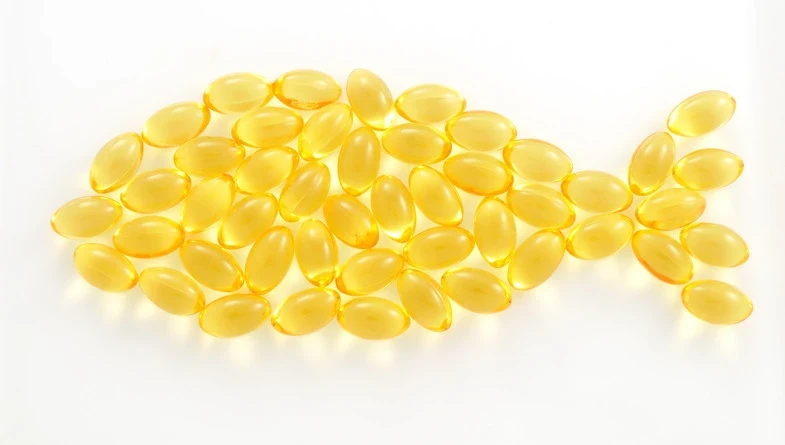
Cut all added sugars and limit fructose intake, including fruit juices and high-fructose corn syrup. Increase omega-3 intake to 2-3 grams daily through fish or high-quality supplements like our Outshine Omega 3, which provides 4x strength concentration for maximum impact. Limit alcohol to no more than one drink per day for women, two for men.
High-intensity interval training (HIIT) produces the fastest triglyceride reductions, with sessions as short as 15-20 minutes showing significant benefits. Combine this with resistance training twice weekly to improve insulin sensitivity. Even moderate walking for 45 minutes daily can reduce triglycerides by 20-25%.
Losing just 5-10% of body weight can reduce triglycerides by 20-40%. Focus on sustainable calorie reduction through portion control and increased protein intake rather than extreme dieting. Our plant-based proteins can help maintain muscle mass while supporting healthy weight loss.
Creating a healthy lipid profile requires more than dietary changes—it demands a comprehensive approach that addresses all factors influencing cholesterol and triglyceride metabolism. These modifications work synergistically to maintain improvements long-term.
Adopt a Mediterranean-style eating pattern rich in olive oil, nuts, and fish. Engage in at least 150 minutes of moderate aerobic activity weekly, plus two strength training sessions. Quit smoking completely, as it lowers HDL and increases triglycerides. Maintain a healthy weight through consistent eating patterns and regular physical activity.
Plant sterols and stanols can reduce LDL cholesterol by 6-15% when consumed in 2-gram daily doses. High-quality omega-3 supplements provide concentrated EPA and DHA that specifically target triglyceride reduction. Consider magnesium supplementation, as deficiency can worsen lipid profiles—our Max Magnesium offers superior liposomal absorption.
Test lipid levels every 6-8 weeks during active intervention, then quarterly once levels stabilize. Track daily habits including food intake, exercise, sleep quality, and stress levels. Monitor blood pressure and waist circumference as additional cardiovascular risk indicators.
This structured approach to lowering high cholesterol and triglycerides breaks down overwhelming changes into manageable weekly goals. Each phase builds upon the previous week's foundation while introducing new strategies for sustained improvement.
□ Eliminate all trans fats and reduce saturated fat intake
□ Add 10 grams of soluble fiber daily
□ Replace sugary drinks with water
□ Take baseline measurements: weight, waist circumference, blood pressure
□ Start 20-minute daily walks
□ Increase fiber intake to 25 grams daily
□ Add fatty fish twice weekly
□ Implement 30-minute cardio sessions 5 days weekly
□ Practice stress reduction techniques daily
□ Track food intake and exercise in a journal
□ Maintain consistent meal timing and portion sizes
□ Add resistance training twice weekly
□ Schedule follow-up lipid panel testing
□ Evaluate supplement needs with healthcare provider
□ Plan long-term sustainability strategies
The fastest approach combines eliminating added sugars and trans fats, adding 25 grams of soluble fiber daily, exercising 30 minutes five times weekly, and increasing omega-3 intake. Most people see triglyceride improvements within 1-2 weeks and cholesterol changes within 4-6 weeks.
Focus on fatty fish, plant proteins, nuts, olive oil, oats, beans, and vegetables. Avoid processed foods, added sugars, refined carbohydrates, and trans fats. The Mediterranean diet pattern provides an excellent framework for managing both conditions simultaneously.
Triglycerides typically respond within 1-2 weeks of dietary changes, while cholesterol improvements usually appear within 4-8 weeks. Maximum benefits from lifestyle changes generally occur within 12-16 weeks of consistent implementation.
Gradual reduction through lifestyle changes is generally safe. However, extremely low cholesterol levels (below 160 mg/dL total) may increase risk of depression and cognitive issues in some individuals. Always work with healthcare providers when making significant dietary changes.
Try comprehensive lifestyle changes for 12-16 weeks first, unless your cardiovascular risk is extremely high. If LDL remains above 190 mg/dL or triglycerides exceed 500 mg/dL despite lifestyle modifications, medication may be necessary alongside continued lifestyle interventions.
Managing high cholesterol and triglycerides isn't about perfection—it's about consistent, evidence-based actions that compound over time. The strategies outlined in this checklist can produce measurable improvements within 30 days, but lasting change requires viewing this as a lifestyle transformation rather than a temporary fix. Start with the Week 1 priorities, build momentum through consistent implementation, and remember that small daily choices create profound long-term health outcomes. Your cardiovascular system will thank you for taking action today rather than waiting for tomorrow.


Someone sent you
Powered by ReferRush