


Essential Checklist: How to Find Natural Immunity Sources for Stronger Defense

Get personalised recommendations with our assessment.
Personalised Health Diagnosis (PHD)
Your immune system works around the clock, but are you giving it the right fuel? Most people think immunity is about popping vitamin C tablets when they feel a sniffle coming on. That's like trying to build muscle by doing one push-up when you're already tired. Real immunity comes from consistent, science-backed choices that support your body's natural defense mechanisms. Let's break down how to find natural immunity sources that actually work—no gimmicks, just proven strategies that help your body do what it does best.
Natural immunity is your body's ability to recognize and fight off threats without external help. Unlike artificial immunity from vaccines, natural immunity develops when your immune system encounters pathogens and creates antibodies and memory cells. Think of it as your body's personal security team that gets smarter with experience.
Your immune system has two main players: innate immunity (your first line of defense) and adaptive immunity (the specialized response team). When these work together efficiently, you get fewer infections, faster recovery times, and better overall health. Signs your natural immunity is firing on all cylinders include consistent energy levels, rare illnesses, and quick healing from minor cuts or bruises.
Food is medicine, but not all foods pack the same immune-boosting punch. Your immune cells need specific nutrients to function optimally, and getting these from whole foods beats synthetic supplements every time.
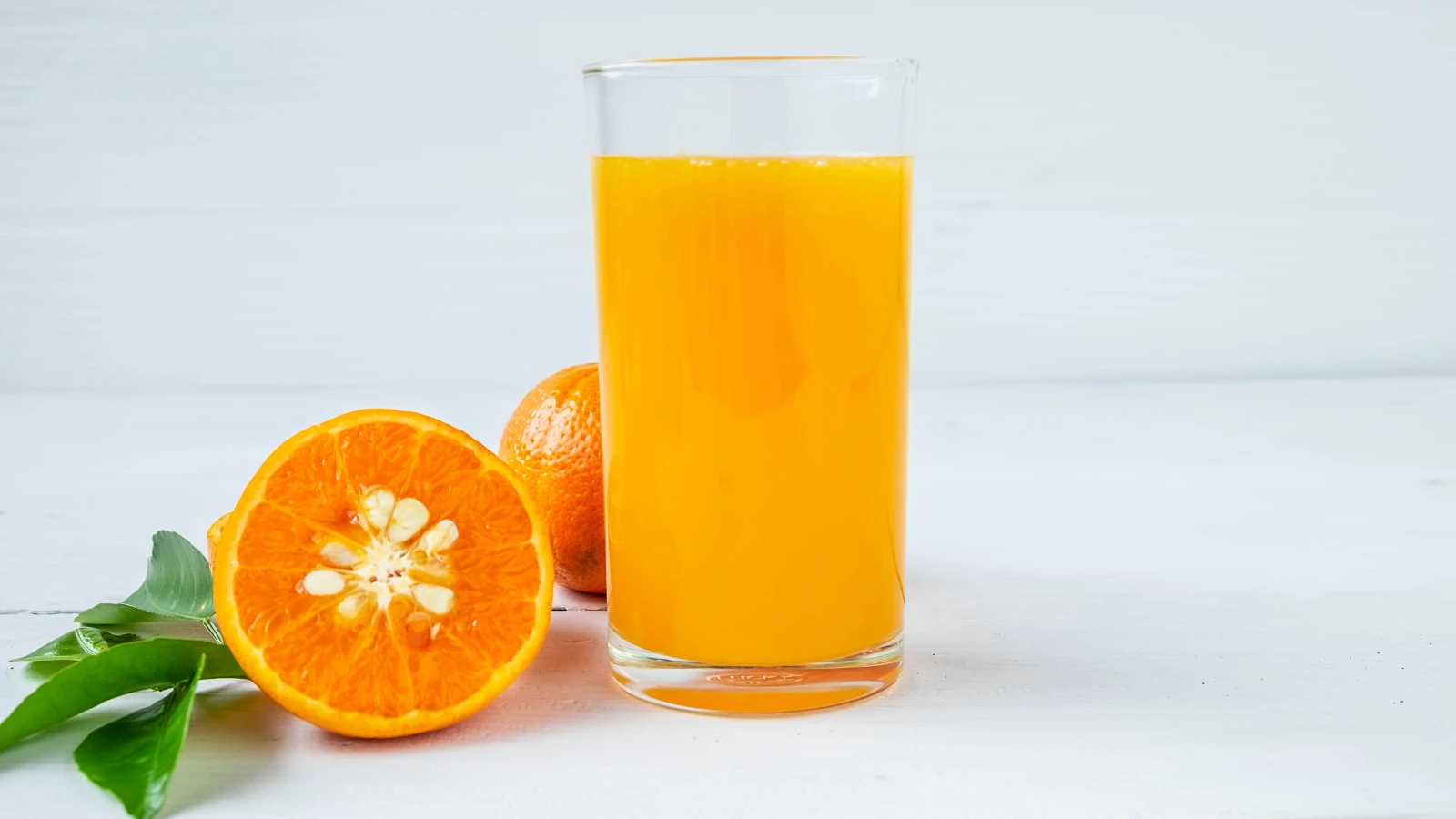
Citrus fruits get all the credit, but bell peppers, strawberries, and kiwi actually contain more vitamin C per serving. Aim for 90mg daily for men and 75mg for women—that's about one medium orange or half a cup of red bell pepper.
Zinc deficiency tanks your immune response faster than you can say "sick day." Pumpkin seeds, cashews, and chickpeas are plant-based zinc champions. Just 30g of pumpkin seeds gives you nearly half your daily zinc needs.
Most people are walking around with suboptimal vitamin D levels, which explains why winter brings more infections. Fatty fish like salmon and mackerel, egg yolks from pasture-raised chickens, and fortified foods help bridge the gap when sunlight isn't enough.
Brazil nuts are selenium superstars—just two nuts daily meet your selenium needs. For magnesium, dark leafy greens, dark chocolate (70% cacao or higher), and avocados support immune cell function and reduce inflammation.
Herbs have been supporting human immunity for thousands of years, and modern science is catching up to traditional wisdom. The key is knowing which herbs work and how to use them safely.
Elderberry reduces cold duration by up to 4 days when taken at the first sign of symptoms. Echinacea works best as a preventive measure rather than a treatment. Astragalus root supports long-term immune resilience rather than acute infections.
Chronic stress crushes immunity, which is where adaptogens shine. Ashwagandha lowers cortisol levels by up to 30% in stressed adults. Rhodiola helps your body adapt to physical and mental stressors that would otherwise weaken immune function.
Turmeric's curcumin compound is a potent anti-inflammatory, but it needs black pepper or fat for absorption. Our Curcumin Wonder Latte delivers 500mg of bioavailable curcumin in a delicious, modern take on traditional haldi doodh. Ginger and garlic work synergistically to support immune cell activity and reduce inflammation.
Your daily habits matter more than any single superfood or supplement. Small, consistent changes in how you sleep, move, and manage stress create the foundation for robust immunity.
During deep sleep, your body produces infection-fighting cells and antibodies. Adults who sleep less than 6 hours nightly are 4 times more likely to catch a cold. Aim for 7-9 hours of quality sleep, with consistent bedtimes and wake times.
Chronic stress floods your system with cortisol, which suppresses immune function. Meditation, even just 10 minutes daily, measurably improves immune markers. Deep breathing exercises activate your parasympathetic nervous system, creating the optimal environment for immune cell production.
Moderate exercise boosts immunity, but overtraining does the opposite. Aim for 150 minutes of moderate activity weekly—brisk walking, swimming, or cycling. High-intensity workouts should be balanced with adequate recovery time.
Your lymphatic system, which transports immune cells, depends on adequate hydration. Dehydration thickens mucus in your respiratory tract, making it harder to trap and expel pathogens. Aim for half your body weight in ounces of water daily.
Generic advice doesn't work because everyone's immune system is unique. Your action plan should reflect your lifestyle, health status, and specific challenges.
Start with a daily immune-boosting routine: morning sunlight exposure for vitamin D, a nutrient-dense breakfast with protein and antioxidants, and evening wind-down practices that support quality sleep. Track your energy levels, mood, and how often you get sick to identify patterns and adjust accordingly.
Plan meals around immune-supporting nutrients rather than restrictions. Include one vitamin C-rich food, one zinc source, and one anti-inflammatory spice in each meal. Batch cook immune-boosting soups and stews on weekends for easy weekday nutrition.
Your immune needs change with the seasons. Winter requires more vitamin D and warming spices like ginger and cinnamon. Spring calls for gentle detox foods like leafy greens and herbs. Summer emphasizes hydration and fresh, colorful produce.
Well-meaning people often sabotage their immunity with outdated advice or extreme approaches. Avoiding these common pitfalls keeps your immune system running smoothly.
Over-supplementation can backfire spectacularly. Taking massive doses of vitamin C won't prevent illness and may cause digestive upset. High-dose zinc supplements can interfere with copper absorption. More isn't always better—your body needs balanced nutrition, not megadoses of isolated nutrients.
Excessive alcohol consumption, smoking, and chronic sleep deprivation all suppress immune function. Even social isolation weakens immunity—humans are social creatures, and loneliness triggers inflammatory responses that compromise immune health.
There's no such thing as "boosting" immunity overnight. Your immune system is incredibly complex and requires consistent support over time. Cleanses, detoxes, and immunity shots might make you feel like you're doing something, but real immunity comes from sustainable lifestyle practices.
Natural immunity develops through exposure to pathogens and consistent support from nutrient-dense foods, adequate sleep, stress management, and regular physical activity. Key nutrients include vitamins C and D, zinc, selenium, and anti-inflammatory compounds from herbs and spices.
Monitor your energy levels, frequency of infections, wound healing speed, and stress resilience. Keep a health journal tracking sleep quality, mood, and how quickly you recover from minor illnesses. Consistent energy and rare infections indicate strong immune function.
Signs include quick recovery from minor illnesses, consistent energy throughout the day, good sleep patterns, rare infections, and effective stress management. Your body efficiently fights off pathogens without prolonged symptoms or complications.
Focus on sleep optimization, stress reduction, and nutrient-dense foods. Prioritize 7-9 hours of quality sleep, manage stress through meditation or deep breathing, stay hydrated, and eat immune-supporting foods like citrus fruits, leafy greens, and zinc-rich nuts daily.
Natural immunity duration varies by pathogen and individual factors. Some infections provide lifelong protection, while others offer temporary immunity. Both natural and vaccine-induced immunity play important complementary roles in protecting your health.
Building strong natural immunity isn't about quick fixes or expensive supplements—it's about consistent, science-backed choices that support your body's incredible defense system. Focus on nutrient-dense whole foods, quality sleep, stress management, and regular movement. Your immune system will thank you with better energy, fewer sick days, and improved overall health. Remember, immunity is a marathon, not a sprint, so be patient with the process and trust in your body's remarkable ability to protect and heal itself.


Someone sent you
Powered by ReferRush