


Curcumin's Anti-inflammatory Effects: Your Questions Answered

Get personalised recommendations with our assessment.
Personalised Health Diagnosis (PHD)
Inflammation is one of those things your body does quietly — until it isn't quiet anymore. Stiff joints in the morning, a gut that never quite settles, energy that dips for no clear reason. Chronic, low-grade inflammation is increasingly being linked to a wide range of modern health concerns. Enter curcumin — the bioactive compound at the heart of turmeric that's been used in traditional medicine for centuries and is now getting serious attention from modern science. The anti-inflammatory effects of curcumin are among the most researched topics in nutritional science today. This blog answers the questions people actually ask — no fluff, just clarity.
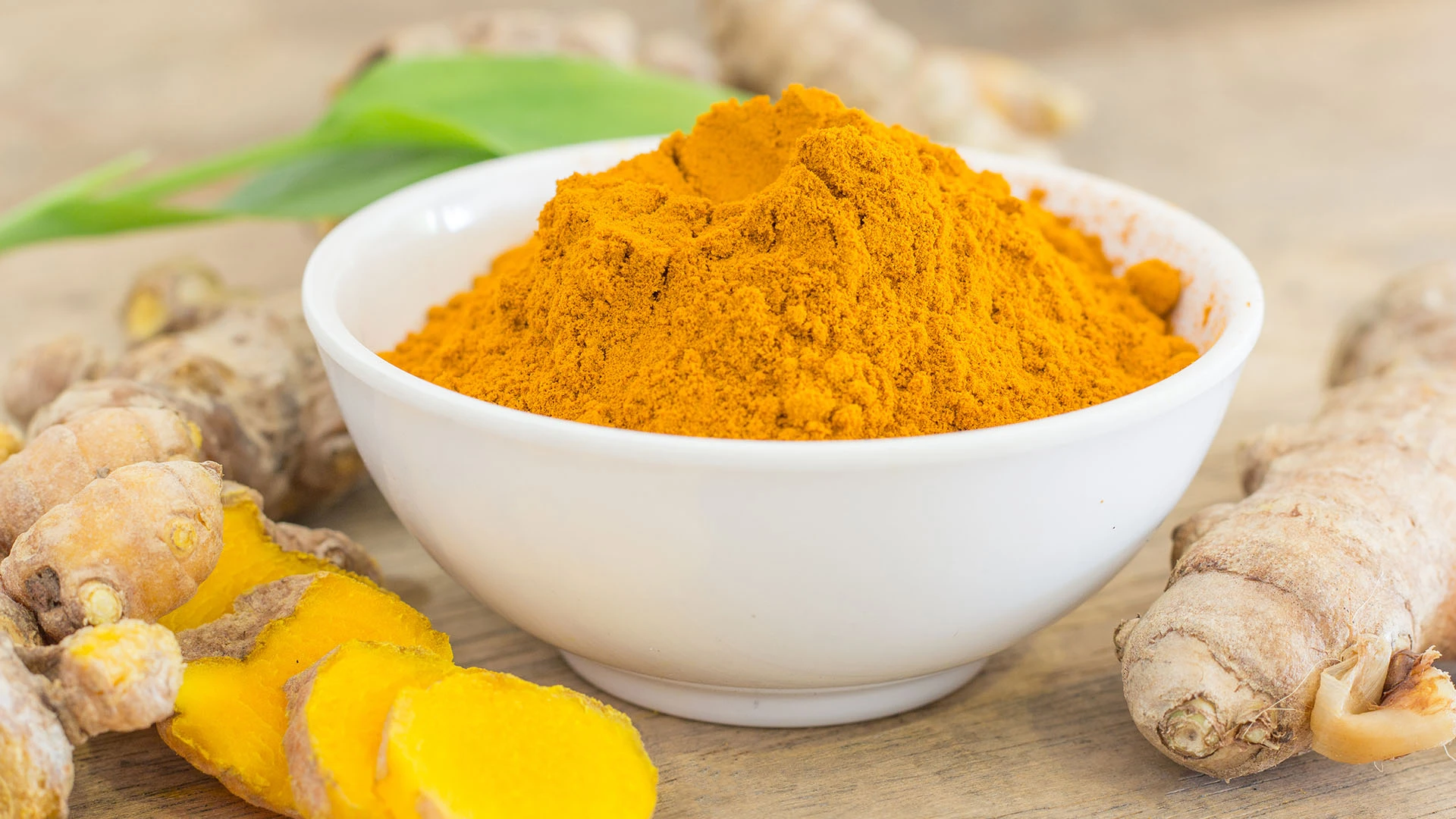
Curcumin is the primary bioactive polyphenol found in turmeric root — the bright yellow spice that's been a staple of Ayurvedic and traditional medicine for thousands of years. It's what gives turmeric its distinctive colour and, more importantly, its therapeutic reputation. Modern nutritional science has zeroed in on curcumin as a compound worth studying seriously, and the research base has grown substantially over the past two decades.
What makes curcumin relevant today is the gap between its traditional use and its scientific validation. Turmeric health has long been a cornerstone of herbal remedies across South Asia, but it's only recently that researchers have begun to understand the precise mechanisms behind why it works. That understanding is reshaping how we think about health and wellness through food and supplementation.
Turmeric is the spice. Curcumin is the concentrated active compound within it — and turmeric only contains roughly 2–5% curcumin by weight. That's a small fraction. Most of the peer-reviewed research on curcumin's effects has been conducted using isolated curcumin extracts, not culinary turmeric. This is why dietary supplements standardised to high curcumin concentrations tend to be far more potent than simply adding more turmeric to your food.
Inflammation itself isn't the enemy — acute inflammation is your body's natural defence response to injury or infection. The problem is chronic inflammation, where that response never fully switches off. Over time, this low-level inflammatory state can contribute to a range of health issues. The anti-inflammatory effects of curcumin work by targeting the molecular pathways that drive this chronic state.
Curcumin has been shown to inhibit a key inflammatory signalling molecule called NF-kB (nuclear factor kappa B) — essentially a master switch that activates inflammatory genes. It also reduces pro-inflammatory cytokines like TNF-alpha and IL-6, which are proteins that amplify the inflammatory response. This multi-pathway action is what makes curcumin stand out among natural inflammation relief options. Its antioxidant properties add another layer to this effect.
Oxidative stress — caused by an excess of free radicals in the body — is a major driver of chronic inflammation. Curcumin acts on both fronts simultaneously: it reduces inflammatory signalling while also neutralising free radicals directly. This dual action means it addresses inflammation at its root rather than just managing symptoms. Fewer free radicals means less inflammatory load on the body overall, which is why its antioxidant properties are inseparable from its anti-inflammatory reputation.
Research into curcumin benefits spans a wide range of health areas. It's important to frame these as areas of ongoing scientific investigation rather than definitive medical claims — but the breadth of interest is telling. From joints to gut lining to cardiovascular markers, curcumin's reach is broad.
Some of the most studied areas include joint health, where curcumin has been examined for its role in reducing pain and stiffness associated with arthritis. Cardiovascular health is another focus, given that chronic inflammation is a known risk factor for heart disease. Neuroinflammation — inflammation in the brain — is an emerging area of interest for cognitive support. And gut health benefits are increasingly well-documented, with curcumin showing promise for immune system support and digestive resilience as part of a broader health and wellness approach.
The gut lining is one of the first places chronic inflammation shows up — and curcumin has demonstrated an ability to reduce intestinal inflammation and support the balance of the gut microbiome. For people dealing with bloating, digestive discomfort, or conditions like IBS, curcumin's role as one of the more researched anti-inflammatory foods in supplement form is worth understanding. Its gut health benefits are closely tied to its broader anti-inflammatory action.
Curcumin isn't the only player in the anti-inflammatory foods space. Ginger, omega-3 fatty acids, and green tea are all well-researched options with meaningful evidence behind them. What sets curcumin apart is the volume of research specifically targeting its molecular mechanisms — particularly its multi-pathway inhibition of inflammatory signalling. Most other herbal remedies work through one or two pathways; curcumin works across several simultaneously.
That said, combining natural inflammation relief strategies tends to produce better outcomes than relying on any single compound. Curcumin alongside omega-3s, for example, may offer complementary benefits. The point isn't that curcumin is superior — it's that it's exceptionally well-studied and mechanistically versatile.
Chronic inflammation and immune dysregulation are closely linked. When the body is in a constant low-grade inflammatory state, the immune system is perpetually activated — which can lead to it becoming less precise and less effective over time. Curcumin's anti-inflammatory action helps regulate this response rather than suppress it outright. The distinction matters: it's about balance, not blunting immunity.
For everyday immune system support and seasonal wellness, curcumin's role in keeping inflammatory pathways in check is one of its most practical curcumin benefits. It's not a cure or a shield — it's a regulator, and that's exactly what a well-functioning immune system needs as part of a consistent health and wellness routine.
Bioavailability refers to how much of a compound your body actually absorbs and puts to use. Raw curcumin, on its own, has notoriously poor bioavailability — it's rapidly metabolised and eliminated before it can exert meaningful effects. This is one of the most important practical considerations when evaluating curcumin benefits from dietary supplements.
The good news is that this challenge has well-researched solutions. Piperine, the active compound in black pepper, has been shown to significantly enhance curcumin absorption. Liposomal delivery systems and phytosome complexes are newer formulation innovations that also improve uptake. When choosing a curcumin supplement, bioavailability isn't a footnote — it's the whole story. A high-dose supplement with poor absorption is far less effective than a well-formulated lower dose.
Piperine is the gold standard — it's the most widely studied absorption enhancer for curcumin and is included in many quality dietary supplements for this reason. Because curcumin is fat-soluble, taking it alongside a meal containing healthy fats also improves uptake meaningfully. Modern formulation science has also produced liposomal and phytosome-based curcumin products that offer enhanced natural inflammation relief by improving how the compound is delivered to cells.
Research studies examining the anti-inflammatory effects of curcumin have typically used doses ranging from 500 mg to 2000 mg of curcumin extract per day. However, the right dose for any individual depends on the form of curcumin, its concentration, and personal health status. A standardised extract with 95% curcuminoids will behave very differently from a basic turmeric powder capsule.
Consistency matters more than any single large dose. Curcumin builds its effects over time — most studies show meaningful outcomes after several weeks of regular use. As with any dietary supplement, consulting a healthcare provider for personalised guidance is the smartest move, especially if you're managing a specific health condition.
Curcumin is generally well-tolerated at recommended doses for most healthy adults. At very high doses, some people experience digestive discomfort — nausea or loose stools — but this is typically dose-dependent and resolves when intake is moderated. As herbal remedies go, curcumin has a strong safety profile backed by a substantial body of research.
That said, certain groups should exercise caution. People on blood thinners, diabetes medications, or those who are pregnant or breastfeeding should consult a doctor before supplementing. Choosing quality-tested dietary supplements from transparent brands is also essential — contamination and mislabelling are real concerns in the supplement industry. Honest health and wellness choices start with knowing what's actually in your product.
Label transparency is the first thing to look for. A quality curcumin supplement should clearly state the percentage of curcuminoids — ideally standardised to 95% — and whether piperine or another bioavailability enhancer is included. Third-party testing for purity and potency is non-negotiable if you're serious about what you put in your body.
At Ace Blend, our approach to formulation is built on exactly this — potency, purity, and transparency. Our Curcumin Wonder Latte delivers 500 mg of curcumin per serving in a format that's designed for real absorption and real results. No gimmicks, no fillers — just a clean, science-backed product that respects your intelligence as a consumer.
These are the questions that come up most often around curcumin — answered directly and without the noise.
Most research points to noticeable effects after 4–8 weeks of consistent use. Individual results vary based on dosage, the bioavailability of the supplement form, and the severity of inflammation. Curcumin is not a fast-acting pain reliever — it works gradually and cumulatively, which is why consistency is everything when it comes to natural inflammation relief.
Unlikely, if you're looking for targeted anti-inflammatory effects. Dietary turmeric contains very low concentrations of curcumin — typically 2–5% by weight — and cooking further reduces potency. Turmeric health benefits from culinary use are real but modest. For therapeutic doses, supplementation is generally necessary. Anti-inflammatory foods like turmeric are a great foundation, but they're not a substitute for a well-formulated supplement.
For most healthy adults, daily use at moderate doses is considered safe and well-supported by long-term research. That said, individual health conditions and medications can change the picture. Checking with a healthcare provider before starting any new dietary supplement routine is always the right call, especially for ongoing daily use.
Multiple clinical trials have examined curcumin specifically for osteoarthritis and rheumatoid arthritis, with results suggesting meaningful reductions in pain and stiffness markers. It's not a replacement for prescribed treatment, but research supports its role as a complementary option for joint health. The curcumin benefits in this area are among the most consistently documented in the literature.
No single "best time" has been established by research. What does matter is taking it with a meal that contains healthy fats, which improves absorption significantly given curcumin's fat-soluble nature. Consistency of timing — whatever works for your routine — matters more than the specific hour of the day.
The anti-inflammatory effects of curcumin are among the most well-researched in nutritional science — backed by decades of studies examining its molecular mechanisms, real-world applications, and safety profile. It works by targeting multiple inflammatory pathways simultaneously, while also delivering meaningful antioxidant properties that reduce oxidative stress at the cellular level.
Bioavailability is the make-or-break factor when choosing a curcumin supplement. Without proper formulation — piperine, healthy fats, or advanced delivery systems — much of the compound never reaches your cells. And like most things in health and wellness, curcumin rewards consistency over time. It's not a quick fix — it's a long-game tool for natural inflammation relief that works best as part of a thoughtful, holistic approach to your health.


Someone sent you
Powered by ReferRush