


Curcumin & Immunity: Your Top FAQs Answered

Get personalised recommendations with our assessment.
Personalised Health Diagnosis (PHD)
Let's cut through the noise around curcumin and immunity. While everyone's talking about this golden compound, most people are getting fragments of the story. Curcumin isn't just another wellness trend—it's a scientifically-backed powerhouse that's been quietly revolutionizing how we think about immune support. The real question isn't whether curcumin works, but how it works and why traditional approaches to immunity might be missing the mark. At Ace Blend, we believe in plant-powered solutions that actually deliver, which is why we're diving deep into the science behind curcumin's immune-boosting capabilities.
Curcumin is the active compound that gives turmeric its vibrant golden color, but its real power lies in its ability to modulate immune responses at the cellular level. Unlike conventional immune boosters that simply amp up your system, curcumin works as an intelligent regulator, fine-tuning your body's defense mechanisms without causing unnecessary inflammation.
Research shows that curcumin enhances immune function by activating T-cells, B-cells, and natural killer cells—your body's frontline defenders. It also influences cytokine production, helping your immune system communicate more effectively. What makes curcumin unique is its ability to boost immunity when you need it while preventing overactive responses that can harm healthy tissue.
Chronic inflammation is immunity's worst enemy, creating a constant state of alert that exhausts your defense systems. Curcumin targets multiple inflammatory pathways simultaneously, including COX-2 and lipoxygenase enzymes. This multi-target approach makes it incredibly effective at reducing systemic inflammation while supporting optimal immune function.
Ancient healing traditions understood something that modern science is just catching up to—turmeric isn't just a spice, it's medicine. For thousands of years, cultures across Asia used turmeric to fight infections, heal wounds, and maintain overall health, long before anyone knew about compounds like curcumin.
Traditional Ayurvedic medicine called turmeric "the golden healer" for good reason. Modern research has validated what practitioners knew intuitively—that turmeric's immune-supporting properties come from its complex array of bioactive compounds. Studies now confirm that regular turmeric consumption can significantly enhance immune responses and reduce infection rates.
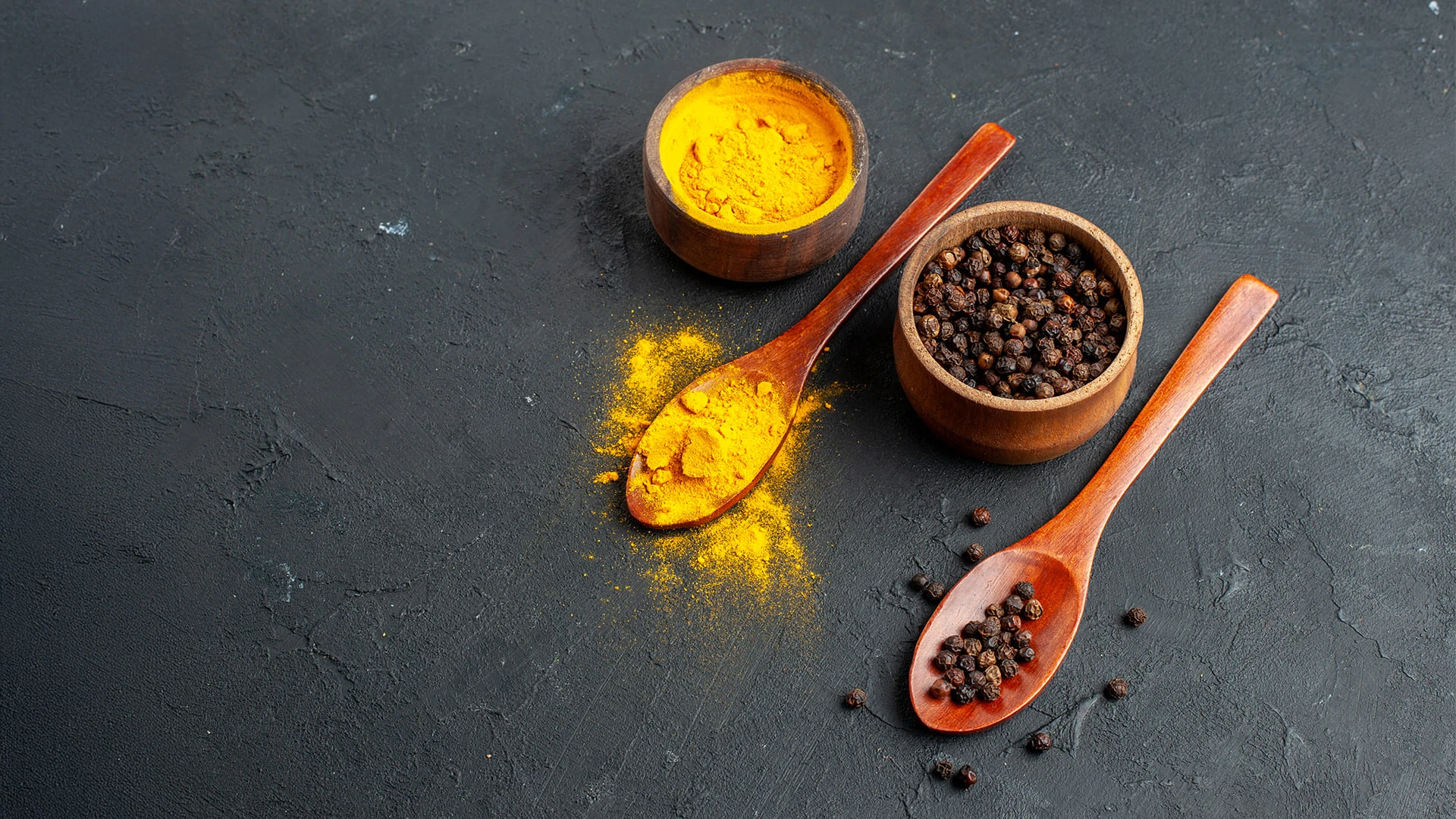
Here's where most people get it wrong—raw turmeric has poor bioavailability, meaning your body absorbs very little of the good stuff. Combining curcumin with black pepper increases absorption by up to 2000%. This is why advanced formulations focus on enhanced delivery systems rather than just throwing more curcumin at the problem.
Antioxidants are your immune system's bodyguards, protecting cells from damage that weakens your defenses. Curcumin doesn't just neutralize free radicals—it actually boosts your body's own antioxidant production, creating a double layer of protection that most single antioxidants can't match.
Free radicals damage immune cells, making them less effective at fighting off threats. Curcumin's antioxidant activity protects these crucial cells while also preventing DNA damage that can compromise immune responses. This cellular protection is essential for maintaining long-term immune health as you age.
While vitamin C and E are well-known antioxidants, curcumin operates on a different level entirely. It activates Nrf2 pathways, essentially teaching your cells to produce their own antioxidants. This makes curcumin's effects longer-lasting and more comprehensive than traditional antioxidant supplements.
Smart immune support isn't about popping pills when you feel sick—it's about creating an environment where your immune system can thrive year-round. Curcumin works best as part of a comprehensive strategy that addresses multiple aspects of immune health, from cellular protection to stress management.
Curcumin's power multiplies when combined with complementary nutrients. Pairing it with omega-3 fatty acids enhances anti-inflammatory effects, while combining it with vitamin D supports immune cell production. This is why functional blends often outperform isolated compounds—they work together to create effects greater than the sum of their parts.
Regular exercise, quality sleep, and stress management all amplify curcumin's immune-supporting effects. Chronic stress suppresses immune function, but curcumin helps buffer these negative effects while supporting healthy cortisol levels. When you combine curcumin with good lifestyle habits, you're creating an optimal environment for immune health.
Answer: Curcumin enhances immune function through multiple mechanisms. It activates key immune cells like T-cells and macrophages, regulates inflammatory responses, and provides antioxidant protection to immune cells. It also supports the production of antibodies and helps maintain the integrity of physical barriers like gut lining that keep pathogens out.
Answer: Curcumin is generally safe for most people, but high doses may cause stomach upset in sensitive individuals. It can also enhance the effects of blood-thinning medications, so consult your healthcare provider if you're taking anticoagulants. Start with lower doses to assess your tolerance, especially if you have a sensitive digestive system.
Answer: Effective doses typically range from 200-1000mg daily, depending on the formulation and your individual needs. Enhanced bioavailability formulations require lower doses than standard curcumin. For immune support, consistency matters more than high doses—moderate amounts taken regularly are more effective than sporadic high doses.
Answer: Curcumin's immune-modulating properties may help balance overactive immune responses characteristic of autoimmune conditions. However, autoimmune diseases require professional medical management. While curcumin can be a valuable supportive tool, it should complement, not replace, conventional treatment under medical supervision.
Answer: Some people notice improved energy and reduced inflammation within days, while immune system changes typically take 2-8 weeks of consistent use. Individual responses vary based on factors like overall health, diet, stress levels, and the quality of the curcumin supplement. Patience and consistency are key for optimal results.
Answer: Whole turmeric provides a complex of beneficial compounds, but curcumin supplements offer higher concentrations of the active ingredient. For immune support, enhanced curcumin formulations with improved bioavailability typically provide more reliable results than cooking with turmeric alone. However, incorporating both can be beneficial for comprehensive health support.
Curcumin represents a paradigm shift in how we approach immune support—moving from reactive treatments to proactive optimization. The science is clear: this natural anti-inflammatory compound doesn't just boost immunity; it intelligently regulates it while providing cellular protection through powerful antioxidant properties. When integrated into a holistic approach that includes quality nutrition and healthy lifestyle practices, curcumin becomes a cornerstone of sustainable immune health. At Ace Blend, we're committed to delivering the potency and purity that makes functional blends truly effective, because your immune system deserves nothing less than optimized, plant-powered support.


Someone sent you
Powered by ReferRush