


9 Ways to Lower High Cholesterol and Triglycerides Naturally

Get personalised recommendations with our assessment.
Personalised Health Diagnosis (PHD)
Your cholesterol numbers just came back higher than expected, and you're wondering if there's a natural path forward. You're not alone—nearly 40% of adults struggle with elevated cholesterol and triglyceride levels, often without realizing the silent damage occurring in their cardiovascular system. The good news? Your body responds remarkably well to targeted natural interventions. While medications have their place, evidence shows that strategic lifestyle modifications can deliver impressive results in lowering high cholesterol and triglycerides, often within weeks. Let's explore nine science-backed methods that can transform your lipid profile and boost your heart health naturally.
Before diving into solutions, it's crucial to understand what you're working with. Cholesterol reduction isn't just about lowering one number—it's about optimizing your entire lipid profile for long-term cardiovascular health.
Your lipid panel reveals four key markers: total cholesterol (ideally under 200 mg/dL), LDL or "bad" cholesterol (under 100 mg/dL), HDL or "good" cholesterol (above 40 mg/dL for men, 50 mg/dL for women), and triglycerides (under 150 mg/dL). When these numbers climb beyond optimal ranges, your risk for heart disease, stroke, and even compromised immunity increases significantly.
Contrary to outdated beliefs, not all fats are villains in your heart health diet. The right fats actually help lower cholesterol while supporting overall cardiovascular function.
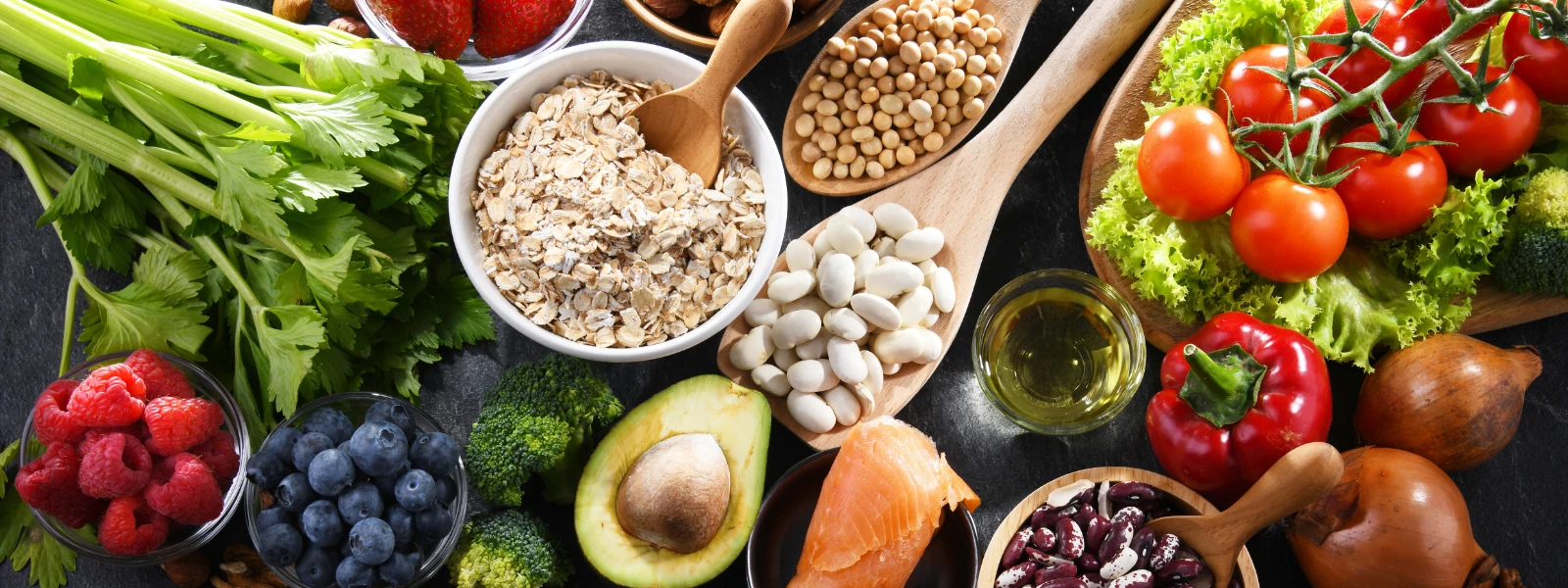
Fatty fish like salmon, mackerel, and sardines deliver EPA and DHA—omega-3 fatty acids that can reduce triglycerides by up to 30%. If you're not getting enough from food alone, consider our Outshine Omega 3, which provides 4x the strength of typical supplements with unmatched purity.
Olive oil, avocados, and nuts contain healthy fats for cholesterol management. These foods help raise HDL while gently lowering LDL levels. Aim for 2-3 servings daily.
Your plate holds incredible power when it comes to natural cholesterol remedies. Certain foods act like natural medicines, actively working to improve your lipid profile.
Oats, beans, lentils, and barley contain beta-glucan, a soluble fiber that binds to cholesterol in your digestive system and escorts it out of your body. Just 5-10 grams daily can lower LDL by 5%.
Nuts, seeds, and fortified foods contain plant sterols that block cholesterol absorption. These natural compounds can reduce LDL cholesterol by 6-15% when consumed regularly.
While adding beneficial foods matters, removing harmful ones accelerates your progress in managing high cholesterol. Some dietary villains directly sabotage your efforts.
Processed foods, fried items, and commercial baked goods often contain trans fats that raise LDL while lowering beneficial HDL. Read labels carefully and avoid anything listing "partially hydrogenated oils."
Excess sugar converts to triglycerides in your liver. Cutting sweetened beverages and refined carbohydrates can reduce triglycerides naturally within days.
How and when you eat affects cholesterol production as much as what you consume. Strategic meal planning amplifies the benefits of foods to lower cholesterol.
This evidence-based pattern emphasizes whole foods, healthy fats, and moderate portions. Studies show it can reduce cardiovascular risk by 30%.
Time-restricted eating can improve lipid profiles by giving your liver time to process and clear cholesterol efficiently.
Physical activity acts as a natural cholesterol medication, improving your lipid profile through multiple mechanisms. Regular movement helps lower cholesterol quickly while supporting overall cardiovascular health.
Just 150 minutes of moderate aerobic activity weekly can raise HDL by 5-10% while lowering triglycerides. Walking, swimming, or cycling all count.
Resistance exercise builds lean muscle mass, which improves your body's ability to process fats and sugars efficiently.
Excess weight, particularly around your midsection, directly impacts cholesterol production and triglyceride control. Even modest weight loss delivers significant benefits.
Losing just 5-10% of your body weight can improve all lipid markers. Focus on sustainable changes rather than crash diets, which can actually worsen cholesterol levels temporarily.
Chronic stress and poor sleep disrupt hormones that regulate cholesterol production. Managing these factors supports both heart health and immunity and cholesterol balance.
Meditation, yoga, and deep breathing exercises lower cortisol levels, which can reduce cholesterol production. Even 10 minutes daily makes a difference.
Poor sleep increases inflammation and disrupts lipid metabolism. Aim for 7-9 hours of quality sleep nightly.
While food should be your primary source of nutrients, certain supplements can accelerate cholesterol reduction when used strategically.
Plant sterols, psyllium husk, and red yeast rice have solid research backing their cholesterol-lowering effects. Our Chaga functional coffee provides natural heart health support with powerful antioxidants that help maintain healthy cholesterol levels.
Garlic, turmeric, and cinnamon contain compounds that support healthy lipid metabolism when consumed regularly.
Your liver produces about 80% of your body's cholesterol, so supporting this vital organ enhances your natural ability to manage lipid levels.
Adequate hydration helps your liver process fats efficiently. Green tea provides catechins that support healthy cholesterol levels, while proper hydration aids in toxin elimination.
Combine dietary changes (eliminating trans fats, adding soluble fiber), daily exercise, and targeted supplements. Most people see improvements within 2-4 weeks with consistent effort.
Focus on omega-3 rich fish, oats, beans, nuts, olive oil, and colorful vegetables. Avoid processed foods, sugary drinks, and refined carbohydrates.
Oats, fatty fish, nuts, beans, avocados, and olive oil consistently show cholesterol-lowering benefits in research studies.
Yes, 239 mg/dL is considered high (normal is under 150 mg/dL). This level increases cardiovascular risk and requires immediate lifestyle intervention.
Triglycerides can improve within days of dietary changes, while LDL cholesterol typically responds within 2-6 weeks of consistent lifestyle modifications.
Many people successfully manage cholesterol through lifestyle changes alone, though some may need medication initially while implementing natural strategies.
Lowering high cholesterol and triglycerides naturally requires a comprehensive approach that addresses diet, exercise, stress, and sleep. The most impactful changes include eliminating trans fats, adding omega-3 rich foods, incorporating daily movement, and managing stress levels. Start with one or two strategies and gradually build your healthy habits.
Remember, consistency trumps perfection. Small, sustainable changes compound over time to deliver remarkable results. Your heart—and your entire cardiovascular system—will thank you for taking control of your health naturally.


Someone sent you
Powered by ReferRush