


The Ultimate Gut Microbiome Diet for Weight Loss Checklist

Get personalised recommendations with our assessment.
Personalised Health Diagnosis (PHD)
Your gut houses trillions of bacteria that directly influence your metabolism, hunger hormones, and fat storage. Recent research reveals that people with diverse, healthy gut microbiomes lose weight more effectively and keep it off longer. The connection isn't just correlation—it's causation. Your intestinal bacteria literally control how your body processes food, stores fat, and burns calories. This isn't another fad diet; it's a science-backed approach that challenges conventional diet wisdom and addresses the root cause of stubborn weight gain: an imbalanced microbiome.
Your gut flora and metabolism work together in ways that determine whether you gain or lose weight. The gut-brain-metabolism axis is a complex communication network. Beneficial bacteria send signals that regulate appetite, insulin sensitivity, and fat burning. When this system functions optimally, weight loss becomes natural rather than forced.
Research shows that lean individuals have significantly more diverse gut bacteria than those who struggle with weight. The gut microbiome diet for weight loss works by restoring this bacterial diversity. Specific strains like Lactobacillus gasseri and Bifidobacterium lactis have been clinically proven to reduce belly fat and improve metabolic markers.
Beneficial bacteria produce short-chain fatty acids (SCFAs) that boost metabolism and reduce inflammation. SCFAs are compounds produced when gut bacteria ferment dietary fiber. They also regulate hormones like GLP-1 and leptin, which control hunger and satiety. Bad bacteria, on the other hand, trigger inflammation and insulin resistance—two major drivers of weight gain.
Your body sends clear signals when your gut bacteria are working against your weight loss goals. Recognizing these signs early allows you to address the root cause rather than fighting symptoms. Microbiome diet weight management starts with understanding what's happening inside your digestive system.
Here's your gut health assessment checklist:
Constant cravings for sugar and processed foods
Bloating and gas after meals, especially carbs
Irregular bowel movements or chronic constipation
Mood swings and brain fog throughout the day
Stubborn belly fat that won't budge despite diet and exercise
Frequent infections or slow wound healing
Energy crashes after eating
Beyond obvious digestive symptoms, poor gut health manifests in elevated inflammatory markers, insulin resistance, and disrupted sleep patterns. These create a vicious cycle where weight loss becomes increasingly difficult.
Building a healthy gut microbiome requires strategic food choices that feed beneficial bacteria while starving harmful ones. This isn't about restriction—it's about abundance of the right foods. The key lies in combining probiotic foods for weight loss with prebiotic foods for weight loss to create an optimal environment for fat burning.
Your gut bacteria thrive on diversity. The more varied your plant intake, the more diverse your microbiome becomes. This diversity directly correlates with improved metabolism and sustainable weight loss.
Fermented foods gut health benefits are unmatched. These foods deliver live beneficial bacteria directly to your digestive system:
Greek yogurt (unsweetened, full-fat) - 1 cup daily
Kefir - 1/2 cup daily for maximum probiotic diversity
Sauerkraut - 2 tablespoons with meals
Kimchi - 1/4 cup daily for spice and probiotics
Miso paste - 1 tablespoon in soups or dressings
Tempeh - 3 oz serving, excellent protein source
Kombucha - 8 oz daily, choose low-sugar varieties
These fiber-rich foods feed your beneficial bacteria, helping them multiply and thrive:
Garlic and onions - Use liberally in cooking
Asparagus - 1 cup provides 3g prebiotic fiber
Bananas (slightly green) - Rich in resistant starch
Oats - 1/2 cup dry provides beta-glucan fiber
Apples - Eat with skin for maximum pectin
Flaxseeds - 1 tablespoon ground daily
Jerusalem artichokes - Highest inulin content
These microbiome disruptors actively harm beneficial bacteria and promote weight gain:
Artificial sweeteners - Aspartame, sucralose, saccharin
Processed meats - Contain preservatives that kill good bacteria
Refined sugars - Feed harmful bacteria and yeast
Emulsifiers - Found in processed foods, damage gut lining
Excessive alcohol - Disrupts bacterial balance
This strategic meal plan combines diet for healthy gut bacteria principles with proven weight loss strategies. Each day provides 25-35g of diverse fiber, multiple probiotic sources, and balanced macronutrients to support both gut health and fat burning.
The plan emphasizes meal timing that supports your circadian rhythm and gut bacteria cycles. Eating your largest meals earlier in the day aligns with when beneficial bacteria are most active.
Breakfast: Greek yogurt with berries, ground flaxseed, and a drizzle of honey
Lunch: Large salad with fermented vegetables, grilled chicken, and olive oil dressing
Dinner: Miso soup with vegetables and a small portion of brown rice
Snack: Apple slices with almond butter
Breakfast: Overnight oats with kefir, chia seeds, and fresh fruit
Lunch: Tempeh stir-fry with prebiotic vegetables and quinoa
Dinner: Grilled fish with roasted asparagus and sweet potato
Snack: Kombucha with a handful of nuts
Gut health for weight loss extends beyond food choices. Your daily habits either support or sabotage your microbiome. Sleep, stress, and movement patterns all influence bacterial composition and metabolic function.
Research shows that people who sleep 7-9 hours nightly have more diverse gut bacteria and better weight management. Chronic stress, conversely, reduces beneficial bacteria and increases cortisol—a hormone that promotes belly fat storage.
Your gut bacteria follow circadian rhythms just like you do. Disrupted sleep patterns throw off this bacterial clock, leading to metabolic dysfunction. Aim for consistent sleep and wake times, even on weekends.
Chronic stress literally changes your gut bacteria composition. Practice daily stress reduction through meditation, deep breathing, or gentle yoga. Even 10 minutes daily makes a measurable difference in gut health markers.
Moderate exercise increases beneficial bacteria diversity. Aim for 150 minutes of moderate activity weekly, including both cardio and resistance training. Our plant proteins support muscle recovery while feeding beneficial gut bacteria.
Most people notice improved digestion within 1-2 weeks, with significant weight loss beginning around week 4-6. Individual results may vary, and full microbiome restoration takes 3-6 months, but metabolic improvements start much sooner.
While supplements help, food for gut balance weight provides additional nutrients and fiber that supplements lack. Combine both approaches for optimal results. Our Turkey Tail functional coffee offers targeted gut support alongside your dietary efforts.
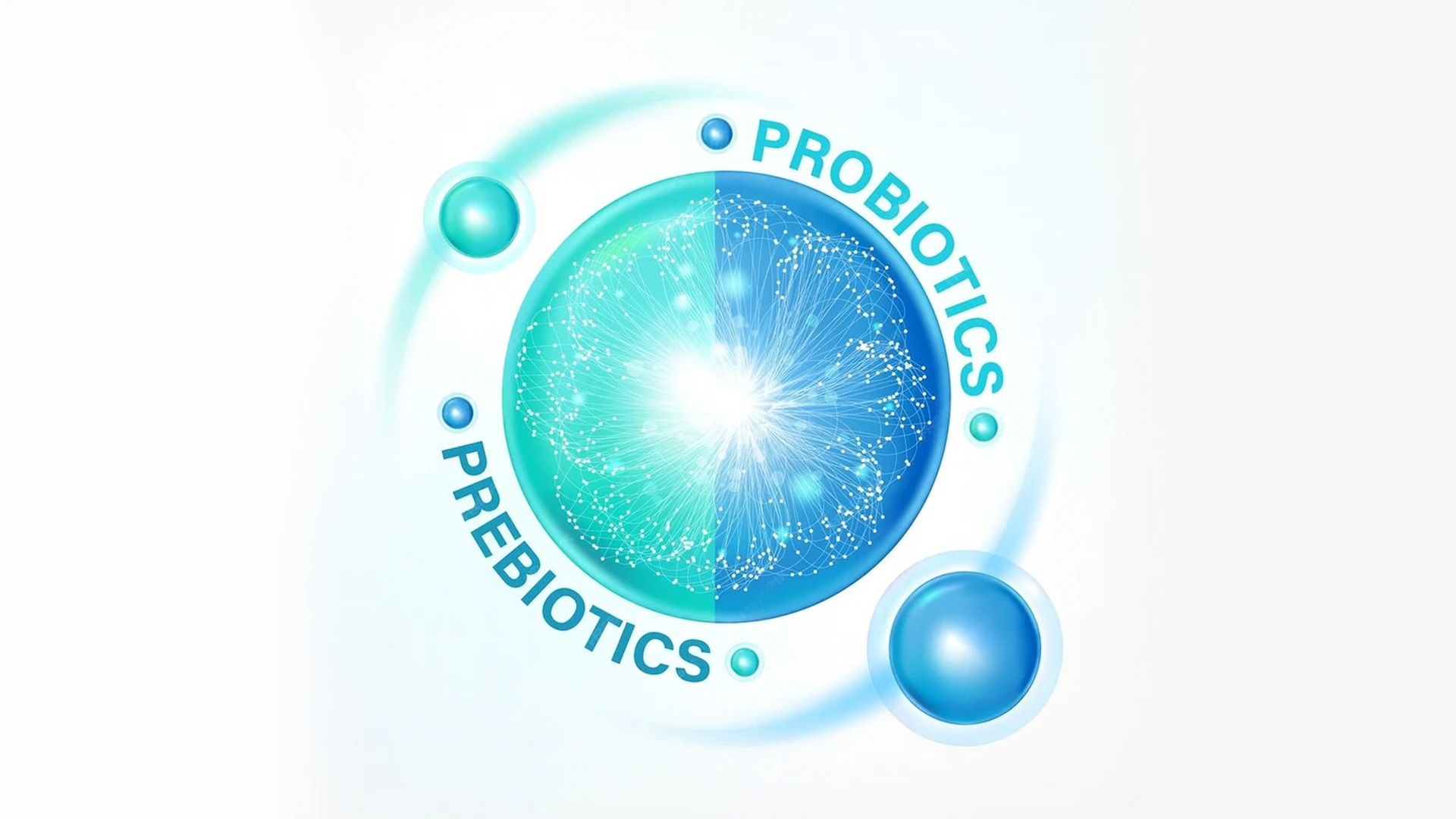
Probiotics are live beneficial bacteria, while prebiotics are the fiber that feeds them. You need both for microbiome friendly weight loss. Think of probiotics as the seeds and prebiotics as the fertilizer.
Start slowly with smaller portions of fermented foods. Some people experience temporary bloating as their gut adjusts. Our FenuLean Fibre Flex can help ease the transition by supporting healthy digestion.
Pack shelf-stable options like our functional drinks and protein powders. Focus on finding local fermented foods and vegetables. Stay hydrated and maintain regular meal times when possible.
The 7 signs of an unhealthy gut often include constant cravings for sugar and processed foods, bloating and gas after meals, irregular bowel movements or chronic constipation, mood swings and brain fog, stubborn belly fat, frequent infections or slow wound healing, and energy crashes after eating.
The gut microbiome diet for weight loss isn't just another trend—it's a fundamental shift toward addressing the root cause of metabolic dysfunction. Your gut bacteria control more than digestion; they influence every aspect of weight management from hunger hormones to fat storage.
Success requires consistency with both probiotic and prebiotic foods, elimination of microbiome disruptors, and lifestyle habits that support bacterial diversity. The investment in gut health pays dividends not just in weight loss, but in energy, mood, and long-term metabolic health. Start with small changes, be patient with the process, and trust that your body knows how to heal when given the right tools.


Someone sent you
Powered by ReferRush