


The Ultimate Checklist for Probiotics for Women's Health

Get personalised recommendations with our assessment.
Personalised Health Diagnosis (PHD)
Women's bodies are complex ecosystems where hormones, gut bacteria, and overall health intersect in fascinating ways. While the wellness industry throws around generic advice, the reality is that women need targeted probiotic strategies that address their unique physiological needs. From supporting vaginal pH balance to managing hormonal fluctuations, the right probiotic approach can be a game-changer for women's health. Let's cut through the noise and explore what actually works.
Your gut microbiome isn't just about digestion—it's the command center for immune function, hormone regulation, and even mood stability. Women's microbiomes face unique challenges that men simply don't experience. Monthly hormonal shifts, pregnancy, menopause, and even birth control can dramatically alter the delicate balance of beneficial bacteria in your system.
Research shows that women's gut microbiomes are more diverse than men's, largely due to estrogen's influence on bacterial populations. During your menstrual cycle, estrogen levels fluctuate, directly impacting which bacterial strains thrive or decline. This connection between hormones and gut health explains why many women experience digestive issues during certain times of the month.
The benefits of probiotics for women's health extend far beyond basic digestion. Here's where targeted probiotic support makes the biggest impact:
Vaginal health probiotics maintain optimal pH levels and prevent harmful bacterial overgrowth
Gut health for women supports nutrient absorption during pregnancy and menopause
Probiotics for hormonal balance work through the gut-brain axis to regulate mood and energy
Immune system strengthening becomes crucial during times of hormonal stress
Not all probiotics are created equal, and women need specific strains that target their unique health concerns. The key is understanding which probiotic strains for women have actual clinical backing rather than marketing hype.
Your vaginal microbiome is dominated by Lactobacillus species, which maintain the acidic environment that keeps harmful bacteria at bay. When this balance gets disrupted, problems like bacterial vaginosis or yeast infections can occur.
Lactobacillus rhamnosus GR-1: Clinically proven to reduce UTI recurrence by 50%
Lactobacillus reuteri RC-14: Restores natural vaginal flora after antibiotic treatment
Lactobacillus crispatus: The dominant strain in healthy vaginal microbiomes
Digestive support for women requires strains that can handle hormonal fluctuations and the unique stressors women face. These powerhouse bacteria work overtime to keep your digestive system running smoothly.
Lactobacillus acidophilus: Produces digestive enzymes and supports lactose digestion
Bifidobacterium lactis: Reduces bloating and gas, especially during PMS
Lactobacillus plantarum: Anti-inflammatory properties that calm digestive irritation
Women's health isn't one-size-fits-all, and neither should probiotic strategies be. Different life stages and health challenges require targeted approaches that address root causes, not just symptoms.
Urinary tract health probiotics work by creating an environment where harmful bacteria can't establish themselves. The connection between gut health and urinary tract health is stronger than most people realize—beneficial bacteria from your gut can migrate and colonize the urogenital tract.
Bacterial vaginosis prevention through pH maintenance
Yeast infection reduction by competing with Candida for resources
Post-antibiotic recovery support to rebuild beneficial flora
UTI prevention through competitive exclusion of harmful bacteria
Women's digestive needs change dramatically throughout their lives. Pregnancy brings unique challenges, menopause shifts everything again, and monthly hormonal cycles create ongoing digestive fluctuations that require consistent support.
Pregnancy and postpartum gut health restoration
Menopause-related digestive changes and nutrient absorption
PMS bloating and digestive discomfort relief
IBS management strategies specific to women's hormonal patterns
The gut microbiome women harbor directly influences hormone production and metabolism. Certain bacterial strains can actually produce or metabolize hormones, making probiotic selection crucial for hormonal health.
The supplement market is flooded with probiotic products making bold claims, but most lack the potency or strain specificity women actually need. Here's how to cut through the marketing and find products that deliver real results.
When evaluating probiotic supplements women should prioritize, focus on these non-negotiable factors. Quality matters more than quantity when it comes to beneficial bacteria.
CFU count between 10-50 billion (higher isn't always better)
Multi-strain formulations targeting women's specific needs
Third-party testing for potency and purity verification
Shelf-stable options that maintain viability without refrigeration
Clear strain identification with scientific names, not just generic terms
Taking probiotics at the right time can significantly impact their effectiveness. Your stomach acid levels, meal timing, and even your menstrual cycle can influence how well beneficial bacteria establish themselves in your system.
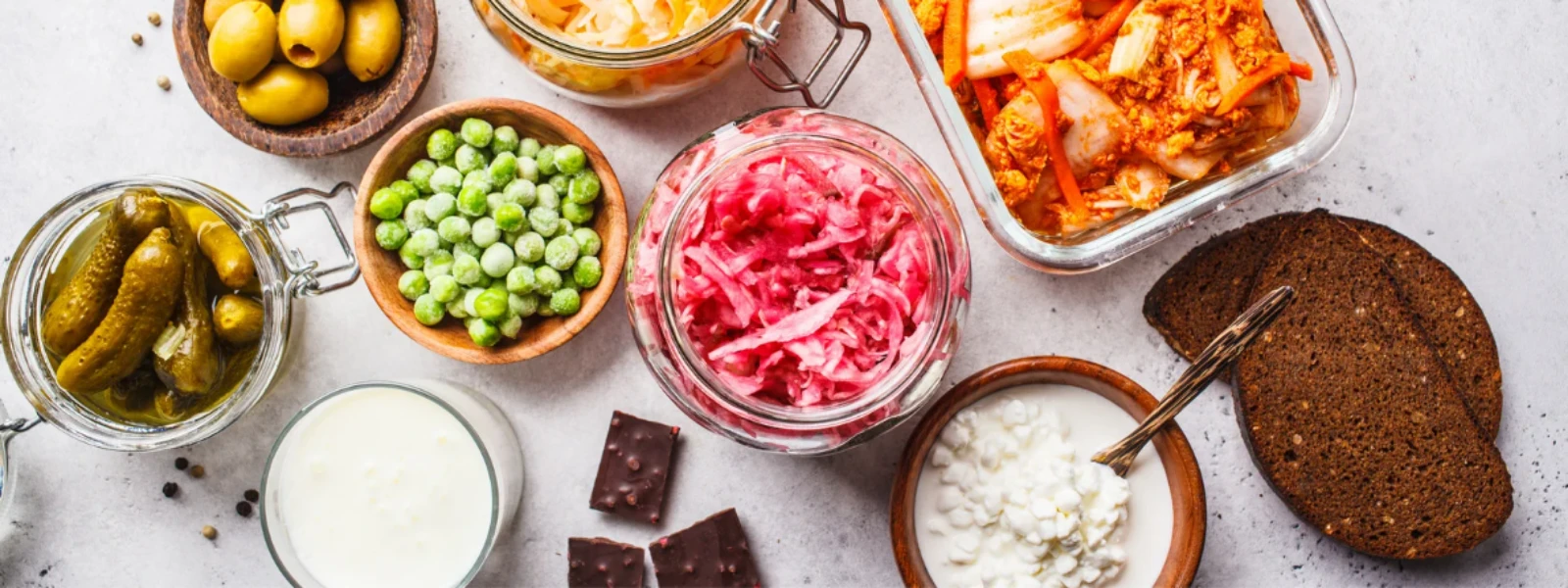
Fermented foods for women offer a delicious way to support your microbiome while getting additional nutrients that supplements can't provide. These foods contain diverse bacterial strains and beneficial compounds that work synergistically to support women's health.
Incorporating variety is key when it comes to fermented foods. Different foods provide different bacterial strains and nutrients, creating a more robust and diverse microbiome.
Kefir: Higher probiotic diversity than yogurt with additional beneficial yeasts
Kimchi and sauerkraut: Rich in Lactobacillus strains and vitamin K2
Kombucha: Provides probiotics plus beneficial organic acids
Miso and tempeh: Plant-based options rich in beneficial bacteria and protein
The key to success with fermented foods is consistency rather than perfection. Small, regular amounts work better than occasional large servings for maintaining stable bacterial populations.
Even the best probiotics won't thrive in a hostile environment. Your lifestyle choices create the foundation that determines whether beneficial bacteria flourish or struggle to survive in your system.
Prebiotics are the fuel that keeps your beneficial bacteria thriving. Without adequate prebiotic fiber, even the most expensive probiotic supplements won't deliver lasting results.
Fiber-rich vegetables like artichokes, asparagus, and onions
Resistant starch from cooled potatoes and green bananas
Polyphenol-rich foods like berries, dark chocolate, and green tea
Adequate hydration to support bacterial metabolism and waste removal
Your daily habits either support or sabotage your microbiome. Small, consistent changes often have more impact than dramatic overhauls that are hard to maintain.
The most beneficial strains for women include Lactobacillus rhamnosus GR-1 and Lactobacillus reuteri RC-14 for vaginal health, plus Bifidobacterium lactis and Lactobacillus acidophilus for digestive support. Look for multi-strain formulations that combine these targeted bacteria.
Daily probiotic use is generally safe and beneficial for most women. However, some may benefit from cycling probiotics around their menstrual cycle or taking breaks every few months to allow their natural microbiome to rebalance.
Yes, certain probiotic strains can support hormonal balance by influencing the gut-brain axis and helping metabolize hormones. Lactobacillus gasseri and Bifidobacterium breve have shown particular promise for supporting healthy hormone levels.
Most women notice digestive improvements within 2-4 weeks, while vaginal health benefits may take 4-8 weeks. Hormonal balance improvements often require 8-12 weeks of consistent use to become apparent.
Probiotics are generally safe for healthy women. Some may experience mild bloating or digestive changes during the first week as their microbiome adjusts. Women with compromised immune systems should consult healthcare providers before starting probiotics.
Supporting women's health through probiotics requires a targeted approach that goes beyond generic gut health advice. The most effective strategy combines specific bacterial strains with lifestyle factors that create an environment where beneficial bacteria can thrive. Focus on quality over quantity, consistency over perfection, and remember that your microbiome is as unique as you are. Start with evidence-based strains, support them with prebiotic foods, and give your body time to rebalance. The investment in your microbiome today pays dividends in long-term health and vitality.


Someone sent you
Powered by ReferRush