


The Ultimate Checklist for Natural Remedies for Constipation Relief

Get personalised recommendations with our assessment.
Personalised Health Diagnosis (PHD)
Constipation affects millions of people worldwide, yet most reach for over-the-counter medications when nature offers powerful, gentle solutions. The truth is, your body has an incredible ability to restore regular bowel movements when given the right support. Natural remedies for constipation work by addressing root causes rather than masking symptoms, creating lasting digestive health improvements. This comprehensive checklist provides evidence-based strategies that range from immediate relief techniques to long-term gut health optimization. Whether you're dealing with occasional irregularity or chronic constipation, these proven approaches will help you reclaim your digestive wellness without harsh chemicals or dependency-forming medications.
Constipation occurs when bowel movements become infrequent, difficult, or incomplete, typically defined as fewer than three movements per week. However, optimal digestive health means daily elimination without straining, bloating, or discomfort. Home remedies for constipation excel because they work with your body's natural processes rather than forcing artificial responses.
Natural approaches address multiple factors simultaneously: hydration, fiber intake, gut microbiome balance, and movement patterns. Unlike stimulant laxatives that can create dependency, natural solutions strengthen your digestive system over time. Choose natural remedies when constipation is occasional, stress-related, or linked to dietary changes. However, consult healthcare providers if you experience severe abdominal pain, blood in stool, sudden onset after age 50, or constipation lasting more than three weeks despite natural interventions.
When you need fast results, certain natural techniques can trigger bowel movements within 15-45 minutes. These constipation relief tips work by stimulating your body's natural reflexes and optimizing positioning for easier elimination.
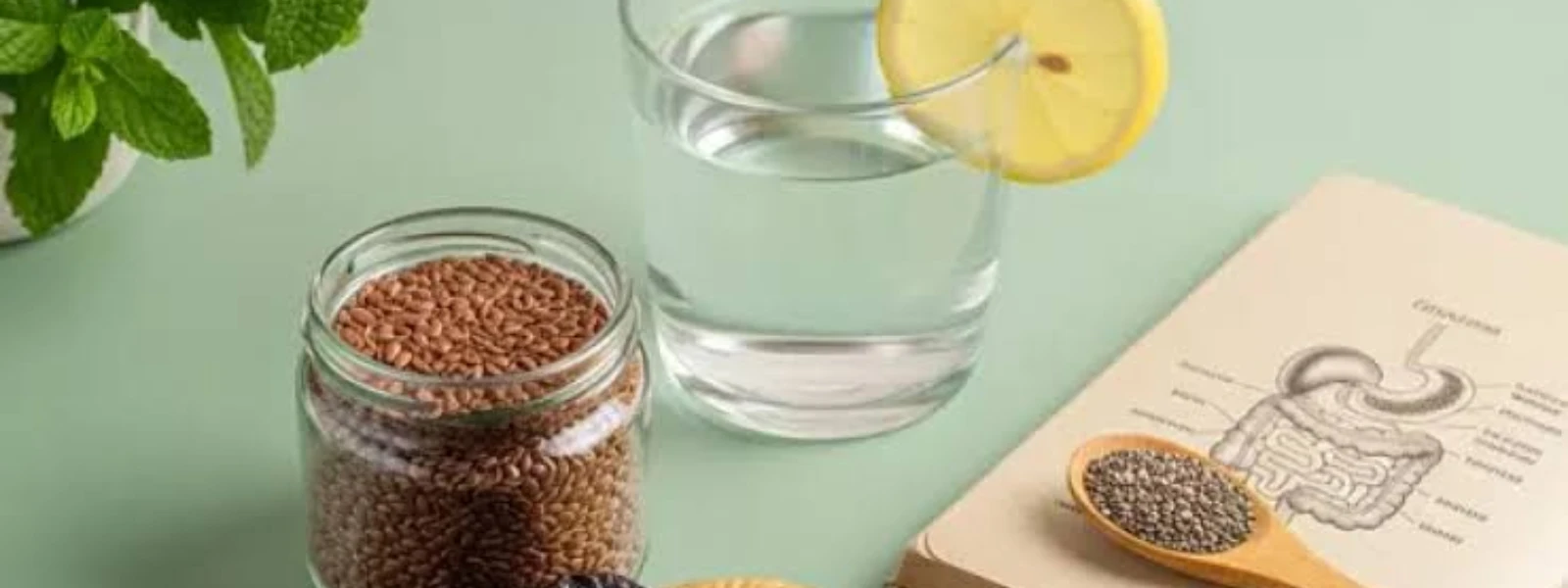
Start your day with warm lemon water on an empty stomach. The warmth stimulates gastrocolic reflex while lemon's citric acid promotes digestive enzyme production. Follow with hot caffeinated coffee, which triggers colon contractions in up to 30% of people within 20 minutes.
Proper toilet positioning dramatically improves elimination ease. Use a footstool to elevate your feet 6-9 inches, creating a natural squatting position that relaxes the puborectalis muscle and straightens the rectoanal angle.
Prunes contain sorbitol, a natural sugar alcohol that draws water into the colon. Consume 5-6 prunes or 4-6 ounces of prune juice for optimal results. The fiber and sorbitol combination typically works within 30-60 minutes.
Magnesium acts as a gentle osmotic laxative, drawing water into intestines to soften stool. Take 500-1000mg of magnesium oxide with a full glass of water. Our Max Magnesium uses liposomal technology for superior absorption and gentler effects on sensitive stomachs.
Abdominal massage stimulates peristalsis through mechanical pressure. Use clockwise circular motions starting from your right lower abdomen, moving up, across, and down following your colon's path. Apply gentle pressure for 5-10 minutes.
Deep breathing exercises activate the parasympathetic nervous system, promoting digestive function. Try box breathing: inhale for 4 counts, hold for 4, exhale for 4, hold for 4. Repeat 10 cycles while in proper toilet position.
Foods that help constipation work through multiple mechanisms: adding bulk, softening stool, feeding beneficial bacteria, and providing essential nutrients for digestive health. The key is choosing the right types and amounts while gradually increasing intake to prevent gas and bloating.
Adults need 25-34 grams of fiber daily, but most consume only half this amount. Fiber rich foods for digestion include both soluble fiber (oats, beans, apples) that forms gel-like substances to soften stool, and insoluble fiber (whole grains, vegetables) that adds bulk and speeds transit time.
Increase fiber gradually by 5 grams weekly to allow your gut microbiome to adapt. Start your day with high-fiber options like steel-cut oats topped with berries and ground flaxseed, providing both fiber types plus beneficial omega-3 fatty acids.
Kiwis are exceptionally effective for constipation relief. Clinical studies show eating 2 green kiwis daily increases bowel movement frequency and reduces straining. The fruit contains actinidin enzyme, fiber, and prebiotics that support digestive health.
Chia and flaxseeds provide soluble fiber that absorbs water to create gel-like consistency. Consume 1 tablespoon ground daily, always with adequate water. These seeds also provide omega-3 fatty acids that reduce inflammation in the digestive tract.
Proper hydration is crucial for bowel movement relief. Aim for 64+ ounces of water daily, with additional fluids if you're increasing fiber intake. Drink 16-20 ounces upon waking to kickstart digestive processes.
Time your fluid intake strategically: drink water 30 minutes before meals rather than during eating to avoid diluting digestive enzymes. Include hydrating foods like cucumber, watermelon, and soup in your daily intake calculations.
Herbal remedies for constipation have been used for centuries and now have scientific backing for their effectiveness. These gentle yet powerful plants work through various mechanisms to restore regular elimination patterns.
Psyllium husk is one of the most effective natural fiber supplements. Mix 1 teaspoon in 8 ounces of water, stir immediately, and drink quickly before it gels. Follow with another glass of water. Psyllium works within 12-72 hours by absorbing water and forming bulk.
Senna tea contains natural compounds called sennosides that stimulate colon contractions. Use occasionally for acute constipation, steeping 1 teaspoon dried senna in hot water for 10 minutes. Limit use to prevent dependency and always follow with probiotics to maintain gut balance.
Fresh ginger stimulates digestive motility and reduces inflammation. Grate 1 teaspoon fresh ginger into hot water for tea, or add to smoothies and meals. Ginger's warming properties enhance circulation to digestive organs.
Fennel seeds act as a carminative, reducing gas and bloating while promoting healthy digestion. Chew 1 teaspoon of seeds after meals or steep in hot water for 10 minutes to make tea. The essential oils in fennel relax intestinal muscles and reduce spasms.
Your gut microbiome plays a crucial role in digestive health, with beneficial bacteria producing short-chain fatty acids that nourish colon cells and promote regular bowel movements. Gut health and constipation are intimately connected, making microbiome support essential for long-term relief.
Fermented foods provide live beneficial bacteria that colonize your intestines. Include 1-2 servings daily of kefir, yogurt with live cultures, sauerkraut, kimchi, or kombucha. These foods also contain prebiotics that feed existing beneficial bacteria.
Prebiotic foods like garlic, onions, asparagus, and Jerusalem artichokes contain specific fibers that beneficial bacteria ferment into health-promoting compounds. Aim for 5-10 grams of prebiotic fiber daily from varied sources.
Specific probiotic strains show particular benefits for constipation. Bifidobacterium lactis and Lactobacillus casei have clinical evidence for improving bowel movement frequency and consistency. Choose supplements with at least 10 billion CFUs and multiple strains.
Combine probiotics with fiber for synergistic effects. The fiber provides food for probiotics while probiotics enhance fiber fermentation. This combination optimizes both immediate relief and long-term digestive health.
Holistic constipation treatment addresses the whole person, recognizing that physical movement, stress levels, and sleep quality all impact digestive function. These lifestyle modifications create sustainable improvements in bowel regularity.
Regular movement stimulates peristalsis and reduces transit time. Aim for 30 minutes of moderate activity daily, including walking, swimming, or cycling. Even gentle movement after meals can promote digestion.
Specific yoga poses target digestive organs and promote elimination. Try wind-relieving pose, seated spinal twist, and child's pose. These positions massage abdominal organs and stimulate the vagus nerve, which controls digestive function.
Chronic stress disrupts the gut-brain axis, slowing digestive motility. Practice stress-reduction techniques like meditation, deep breathing, or progressive muscle relaxation. Even 10 minutes daily can improve digestive function.
Quality sleep supports digestive health through hormonal regulation and nervous system recovery. Maintain consistent sleep schedules and create a relaxing bedtime routine. Poor sleep disrupts gut bacteria balance and digestive enzyme production.
Create a consistent routine by visiting the bathroom 15-45 minutes after breakfast when gastrocolic reflex is strongest. Never ignore natural urges, as delaying can lead to harder stools and more difficult elimination.
Allow adequate time without rushing or straining. Bring a footstool to optimize positioning and practice relaxation breathing. Creating positive bathroom associations supports long-term regularity.
Success with digestive health remedies requires a systematic approach tailored to your specific needs and lifestyle. This personalized plan ensures you implement the most effective strategies while tracking progress and making necessary adjustments.
Begin each day with warm lemon water followed by high-fiber breakfast including berries and ground flaxseed. Track daily water intake, aiming for 64+ ounces. Include 2 servings of fermented foods and 30 minutes of movement.
Monitor bowel movement frequency, consistency, and ease of passage using the Bristol Stool Chart. Note which interventions correlate with improvements and adjust accordingly. Most people see significant improvement within 3-7 days of consistent implementation.
Sustainable changes focus on gradual dietary improvements, stress management, and consistent movement patterns. Build fiber intake slowly while maintaining adequate hydration. Establish regular meal times to support digestive rhythm.
Monthly assessments help identify patterns and prevent regression. Track stress levels, sleep quality, and dietary changes that might impact digestion. Our FenuLean Fibre Flex provides clinically proven soluble and insoluble fiber to support long-term digestive health when whole food sources aren't sufficient.
The fastest natural remedies include warm lemon water on an empty stomach, 5-6 prunes, hot coffee to trigger gastrocolic reflex, and proper toilet positioning with a foot stool. Results typically occur within 15-45 minutes when combined with abdominal massage and deep breathing exercises.
Combine immediate tactics: drink 16oz warm water, perform clockwise abdominal massage for 5 minutes, assume squatting position with elevated feet, and take 500mg magnesium oxide. This multi-approach method works within 30-60 minutes for most people by stimulating multiple pathways simultaneously.
Prune juice (4-6oz), warm lemon water, hot coffee, and magnesium-rich water are the most effective drinks. Prune juice contains sorbitol which draws water into the colon, while coffee stimulates intestinal contractions through gastrocolic reflex activation.
Limit processed foods, white bread, cheese, red meat, and fried foods which can slow digestion. Avoid excessive iron supplements and certain medications like opioids or antacids containing aluminum. Focus on whole foods with natural fiber and water content instead.
Adults need 25-34 grams of fiber daily, but increase gradually by 5 grams weekly to prevent gas and bloating. Include both soluble fiber from oats and beans, and insoluble fiber from vegetables and whole grains. Always increase water intake when adding fiber.
Yes, specific strains like Bifidobacterium lactis and Lactobacillus casei show clinical benefits for constipation. Probiotics improve gut bacteria balance, enhance fiber fermentation, and support healthy bowel movements. Combine with prebiotic foods for maximum effectiveness.
Natural remedies for constipation offer safe, effective alternatives to harsh medications while addressing root causes of digestive dysfunction. The most successful approach combines immediate relief techniques with long-term lifestyle modifications that support optimal gut health.
Start with simple interventions like proper hydration, morning lemon water, and adequate fiber from whole foods. Add movement, stress management, and probiotic support for comprehensive digestive wellness. Remember that consistency matters more than perfection – small daily changes create lasting improvements in bowel regularity and overall digestive health. Track your progress and adjust strategies based on your body's unique responses to find your optimal natural constipation relief protocol.


Someone sent you
Powered by ReferRush