


The Ultimate Checklist for Lactose Intolerance & Dairy-Free Protein

Get personalised recommendations with our assessment.
Personalised Health Diagnosis (PHD)
Nearly 65% of the global population struggles with lactose intolerance, yet protein remains non-negotiable for optimal health. If you're part of this majority, you've probably wondered whether you can meet your protein needs without the digestive chaos that dairy brings. The truth? You absolutely can—and we're about to show you exactly how. This comprehensive checklist cuts through the confusion around lactose intolerance and dairy-free protein, giving you actionable strategies to fuel your body without compromise. Whether you're a fitness enthusiast, busy professional, or someone simply seeking better digestive health, this guide will transform how you approach protein intake.
Before diving into solutions, let's get clear on what we're dealing with. Lactose intolerance isn't just a minor inconvenience—it's your body's way of saying it can't properly break down lactose, the sugar found in dairy products.
Lactose intolerance occurs when your small intestine doesn't produce enough lactase, the enzyme responsible for breaking down lactose. There are three main types: primary (genetic, develops with age), secondary (caused by illness or injury), and congenital (rare, present from birth). Symptoms range from mild bloating to severe digestive distress, and severity varies dramatically between individuals.
Adults need approximately 0.8-1.2 grams of protein per kilogram of body weight daily, with active individuals requiring even more. When dairy is off the table, many people unknowingly create protein gaps in their diet. This deficiency can lead to muscle loss, slower recovery, compromised immune function, and metabolic slowdown—issues that become more pronounced as we age.
The protein landscape extends far beyond dairy, offering diverse options that often surpass traditional sources in both nutrition and digestibility. Let's explore your arsenal of dairy-free protein sources.
Plant proteins have evolved from niche to mainstream, and for good reason. Here are your top contenders:
Legumes and beans: Lentils, chickpeas, and black beans provide 15-18g protein per cup, plus fiber for gut health
Nuts and seeds: Almonds, hemp seeds, and chia seeds deliver protein alongside healthy fats and minerals
Quinoa and ancient grains: Complete proteins with all nine essential amino acids
Nutritional yeast: 14g protein per ounce, plus B-vitamins often lacking in plant-based diets
Animal proteins remain excellent options for those following omnivorous diets. These sources offer complete amino acid profiles with high bioavailability:
Eggs: 6g protein per egg with perfect amino acid scoring
Fish and seafood: 20-25g protein per serving plus omega-3 fatty acids
Poultry and lean meats: 25-30g protein per serving with excellent digestibility
Collagen protein: Supports joint health while providing easily absorbed protein
Protein powders offer convenience and concentrated nutrition, but choosing the right one requires understanding your options. Here's your guide to lactose-free protein options that won't trigger digestive issues.
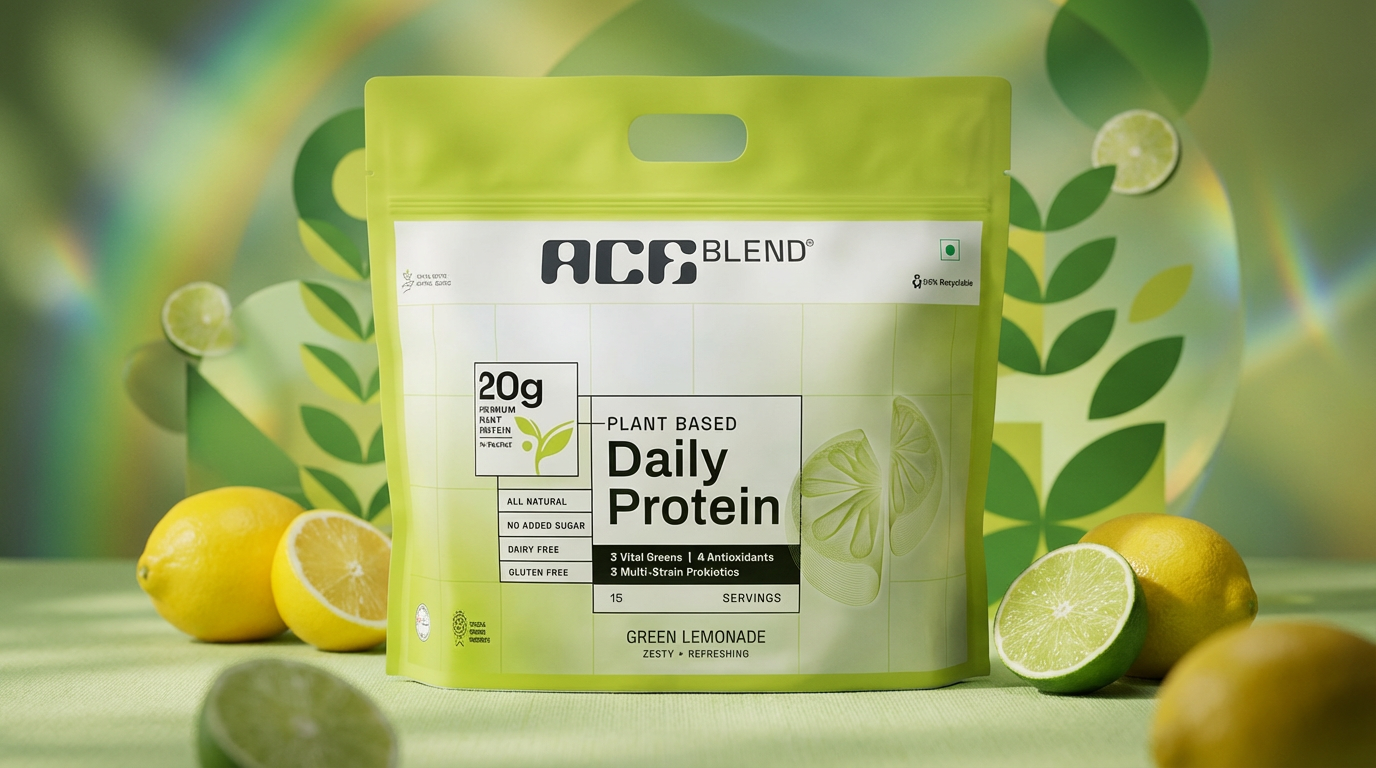
Plant proteins have revolutionized the supplement industry with improved taste and complete amino profiles:
Pea protein: Highly digestible with 20-25g protein per serving and rich in branched-chain amino acids
Rice protein: Hypoallergenic and easily absorbed, ideal for sensitive stomachs
Hemp protein: Complete protein with omega fatty acids and natural fiber
Multi-plant blends: Combine different sources for optimized amino acid profiles and enhanced taste
Not all whey proteins are created equal. Some processing methods remove virtually all lactose:
Whey protein isolate: Contains less than 1% lactose through advanced filtration
Hydrolyzed whey: Pre-digested proteins for faster absorption and minimal lactose
Processing methods: Ion exchange and microfiltration significantly reduce lactose content
Beyond whey lies a world of non-dairy protein supplements with unique benefits:
Egg white protein: Complete amino profile without dairy concerns
Collagen peptides: Supports gut health while providing easily absorbed protein
Beef protein isolate: Rare but available for those seeking animal-based alternatives
Strategic meal planning ensures you meet protein needs while avoiding digestive distress. This approach to lactose intolerance diet protein optimization focuses on timing, variety, and absorption.
Successful protein intake requires thoughtful distribution throughout the day:
Breakfast protein ideas: Plant protein smoothies, overnight oats with hemp seeds, or egg-based dishes
Lunch and dinner combinations: Pair incomplete proteins like rice and beans for complete amino profiles
Snack options: Nuts, seeds, or plant-based protein bars for between-meal fuel
Sample combinations: Hummus with whole grain crackers, almond butter on apple slices
When you eat protein matters as much as what you eat. Optimal timing maximizes muscle protein synthesis and recovery:
Post-workout nutrition: 20-30g protein within 30 minutes of exercise
Protein distribution: Spread intake across meals rather than loading one meal
Combining proteins: Mix complementary sources for complete amino profiles
Digestive enzyme considerations: Some may benefit from enzyme supplements with meals
Success requires vigilance and strategy. Managing lactose intolerance with protein intake means becoming a label-reading detective and understanding your body's unique responses.
Dairy hides in unexpected places, making label literacy essential for avoiding symptoms:
Common dairy derivatives: Casein, whey, lactose, milk solids, and sodium caseinate
Certification labels: Look for "dairy-free," "vegan," or "lactose-free" certifications
Cross-contamination risks: Facilities that process dairy may contaminate otherwise safe products
Safe shopping checklist: Always read ingredient lists, even on familiar products
Supporting your digestive system enhances protein absorption and reduces discomfort:
Lactase enzyme supplements: Can help digest small amounts of lactose when taken before meals
Probiotics for gut health: Support overall digestive function and may improve lactose tolerance
Gradual introduction methods: Slowly increase new protein sources to assess tolerance
Signs of protein intolerance: Distinguish between lactose issues and other food sensitivities
Plant-based proteins like pea, rice, and hemp offer excellent options without dairy concerns. Our plant proteins provide complete amino acid profiles with superior digestibility, making them ideal for sensitive stomachs. Collagen peptides also support gut health while delivering easily absorbed protein.
Not necessarily. Whey protein isolate contains less than 1% lactose and may be tolerable for many people with lactose intolerance. However, hydrolyzed whey or plant-based alternatives offer safer options for those with severe sensitivity.
Modern plant protein blends match or exceed dairy proteins in amino acid completeness and muscle-building potential. The key is choosing high-quality sources with complete amino profiles, like our premium plant proteins that deliver 20-30g of complete protein per serving.
Look for explicit "lactose-free" or "dairy-free" labeling, check ingredient lists for dairy derivatives, and choose products with third-party certifications. Plant-based proteins eliminate dairy concerns entirely.
Absolutely. With strategic planning and diverse protein sources, meeting and exceeding protein needs is entirely achievable. Focus on variety, timing, and quality sources to optimize your intake.
Lactose intolerance doesn't have to limit your protein potential. With the right knowledge and strategic choices, you can exceed your protein goals while supporting digestive health. Plant-based proteins, lactose-free animal sources, and carefully selected supplements provide all the building blocks your body needs. Start by identifying your current protein gaps, experiment with new sources gradually, and listen to your body's responses. Remember, the best protein for lactose intolerance is the one that fuels your goals without compromising your comfort. Your journey to optimal nutrition begins with a single informed choice—make it count.


Someone sent you
Powered by ReferRush