


The Ultimate Checklist for Digestive Health Without Dairy

Get personalised recommendations with our assessment.
Personalised Health Diagnosis (PHD)
Your gut might be sending you distress signals, and dairy could be the culprit. If you've been dealing with persistent bloating, irregular digestion, or that uncomfortable feeling after meals, eliminating dairy might be the game-changer your digestive system desperately needs. The journey toward digestive health without dairy isn't just about cutting out milk and cheese—it's about creating a comprehensive strategy that supports your gut's natural healing process.
This isn't another generic elimination diet guide. We're diving deep into the science-backed approach that transforms your digestive wellness from the inside out. Ready to discover how your gut can thrive without dairy? Let's break down the ultimate checklist that actually works.
Your body has a way of communicating when something isn't working. These seven signs indicate your digestive system might be struggling with dairy, and it's time to listen up.
Chronic bloating and gas after meals tops the list. If you feel like a balloon ready to pop within hours of eating, dairy proteins might be triggering inflammation in your gut lining. This isn't normal, despite what you might think.
Irregular bowel movements signal that your digestive tract isn't functioning optimally. Whether you're dealing with constipation or frequent loose stools, dairy can disrupt the delicate balance your gut needs to process food efficiently.
Unexplained fatigue and brain fog often surprise people. When your gut struggles to break down dairy proteins, it diverts energy from other bodily functions, leaving you feeling drained and mentally unclear.
Skin issues and inflammation frequently stem from gut problems. Acne, eczema, or persistent skin irritation can indicate that dairy is triggering an inflammatory response throughout your body.
Food cravings and mood swings reveal how gut health impacts your brain. An imbalanced gut microbiome affects neurotransmitter production, leading to unstable energy and emotional patterns.
Frequent digestive discomfort shouldn't be your normal. Stomach pain, cramping, or that heavy feeling after eating suggests your digestive system is working overtime to process foods it can't handle efficiently.
Poor immune function connects directly to gut health. If you're catching every bug that goes around, your compromised digestive system might be weakening your body's natural defenses.
The science is clear: eliminating dairy can dramatically improve digestive function for many people. Research shows that dairy proteins, particularly casein, can trigger inflammatory responses in sensitive individuals, disrupting the gut's protective barrier. Many people report experiencing significant relief shortly after removing dairy.
When you remove dairy, several positive changes occur. Your gut microbiome dairy balance begins to restore itself within days. The beneficial bacteria that support healthy digestion start to flourish without the constant inflammatory stress from difficult-to-digest proteins.
Most people notice improvements within the first week. Bloating relief dairy elimination provides is often the first sign that your digestive system is healing. By week three, many experience more regular bowel movements and increased energy levels.
The timeline varies, but consistent lactose-free digestive support typically shows significant results within 30 days. Your gut lining repairs itself, inflammation decreases, and your body's natural digestive processes optimize.
This comprehensive approach ensures you're not just removing dairy, but actively supporting your gut's healing process. Follow this systematic checklist to maximize your dairy-free digestion transformation.
Start by eliminating all obvious dairy sources from your diet. This includes milk, cheese, yogurt, butter, and cream. Check labels carefully—dairy hides in unexpected places like processed foods, baked goods, and even some medications.
Begin a detailed food and symptom diary. Track what you eat, when you eat it, and how you feel afterward. This data becomes invaluable for identifying patterns and measuring progress.
Increase your water intake to support the detoxification process. Aim for half your body weight in ounces daily. Proper hydration helps your digestive system flush out inflammatory compounds more efficiently.
Focus on gut health dairy alternatives that provide essential nutrients without digestive stress. Fortified plant-based milks, leafy greens, and sesame seeds offer excellent calcium sources that your gut can process easily.
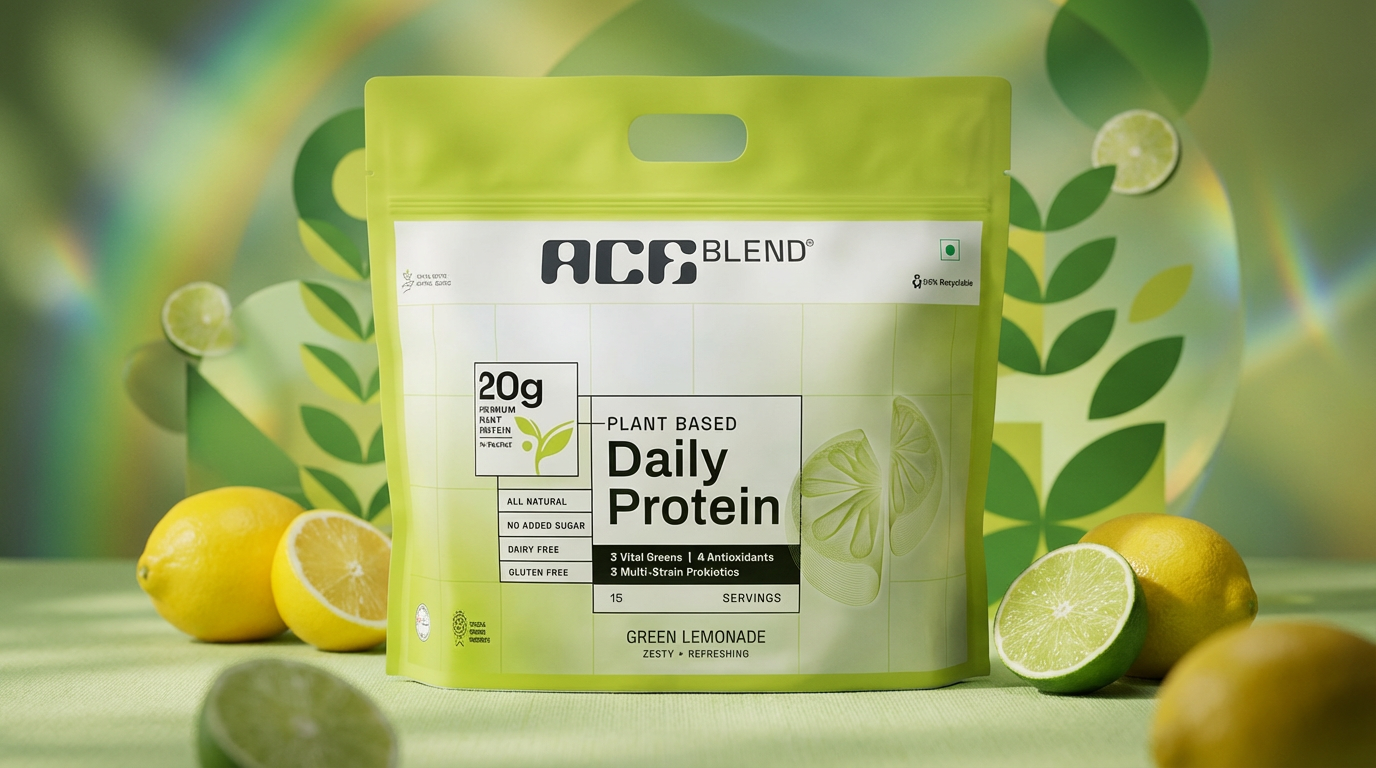
Prioritize complete protein sources like our plant-powered protein blends. These provide all essential amino acids without the inflammatory potential of dairy proteins, supporting both muscle health and digestive wellness. Consider Ace Blend's functional drinks like Curcumin Wonder Latte as dairy-free alternatives that support gut health.
Address potential vitamin deficiencies proactively. Vitamin D and B12 supplementation might be necessary, especially during the transition period when your body adjusts to new nutrient sources. Always consult a healthcare provider for personalized advice on supplements and individual needs.
Incorporate fiber-rich foods that feed beneficial gut bacteria. Vegetables, fruits, legumes, and whole grains provide the prebiotic fiber your microbiome needs to thrive without dairy-based probiotics.
Add fermented foods that support non-dairy gut health. Kimchi, sauerkraut, tempeh, and kombucha introduce beneficial bacteria while avoiding dairy-based fermented products that might trigger symptoms.
Include anti-inflammatory foods like turmeric, ginger, and omega-3 rich sources. These compounds actively reduce gut inflammation and support the healing process your digestive system undergoes during dairy elimination.
Building a sustainable dairy-free diet requires strategic food choices that support optimal digestion. The key is selecting healthy digestion dairy alternatives that provide superior nutrition without compromising gut health.
Plant-based milk alternatives offer diverse options with unique digestive benefits. Oat milk provides beta-glucan fiber that supports gut health, while almond milk offers vitamin E for anti-inflammatory support. Choose unsweetened varieties to avoid blood sugar spikes that can disrupt gut bacteria balance.
Probiotic-rich foods become essential for maintaining healthy gut flora. Fermented vegetables, miso, and plant-based kefir provide beneficial bacteria without dairy-related digestive stress. These foods actively support your gut microbiome's diversity and resilience.
Prebiotic foods feed the beneficial bacteria in your gut. Jerusalem artichokes, garlic, onions, and asparagus provide the specific fibers that help good bacteria flourish. This creates a positive cycle where your gut health continuously improves.
Meal planning becomes simpler when you focus on whole foods. Build meals around vegetables, lean proteins, healthy fats, and complex carbohydrates. This approach naturally eliminates most dairy while providing comprehensive nutrition for optimal digestive function.
Optimizing digestive health without dairy extends beyond food choices. These complementary strategies accelerate healing and maintain long-term digestive wellness.
Digestive enzymes can help bridge the transition period. Supplemental enzymes support your body's ability to break down proteins, fats, and carbohydrates while your natural production optimizes.
Stress management directly impacts gut health through the gut-brain axis. Chronic stress disrupts digestive function and can worsen food sensitivities and digestion issues. Incorporate meditation, deep breathing, or yoga into your daily routine.
Sleep optimization supports gut repair and immune function. Aim for 7-9 hours of quality sleep nightly. Your gut performs critical repair work during sleep, making adequate rest essential for digestive healing.
Regular exercise promotes healthy gut motility and reduces inflammation. Moderate activity like walking, swimming, or cycling supports digestive function without creating additional stress on your system.
The transition to dairy-free living isn't always smooth. Understanding common challenges helps you navigate potential obstacles and maintain progress toward optimal digestive health.
Initial detox symptoms might include temporary digestive changes, fatigue, or cravings. These typically resolve within the first week as your body adjusts to new foods and your gut microbiome rebalances.
Nutrient deficiencies can occur if you don't plan replacements carefully. Monitor your energy levels, bone health markers, and overall wellness. Consider working with a healthcare provider to track important nutrients during your transition.
Social situations require preparation and confidence. Research restaurant menus in advance, communicate your needs clearly, and don't compromise your health for social convenience. Most establishments accommodate dietary restrictions when asked.
Professional guidance becomes valuable if symptoms persist or worsen. A qualified healthcare provider can help identify underlying issues and ensure your dairy-free approach supports your individual health needs.
Success requires a structured approach that builds sustainable habits while monitoring progress. This timeline provides clear milestones and expectations for your dairy-free journey.
Week 1-2: Focus on elimination and symptom tracking. Remove all dairy sources, increase water intake, and begin your food diary. Expect some adjustment period as your body adapts.
Week 3-4: Introduce gut-healing foods and establish new eating patterns. Add fermented foods, increase fiber intake, and optimize meal timing. Many people notice significant improvements during this phase.
Week 5-6: Fine-tune your approach based on your body's responses. Adjust portion sizes, meal frequency, and food combinations to optimize your individual digestive function.
Track key metrics including energy levels, bowel movement regularity, bloating frequency, and overall digestive comfort. These measurements provide objective data about your progress and help identify what works best for your body.
Most people notice initial improvements within 3-7 days, with significant changes occurring by week 3. Complete gut healing typically takes 30-90 days, depending on individual factors and the extent of previous dairy-related inflammation.
Absolutely. Leafy greens, sesame seeds, almonds, and fortified plant milks provide excellent calcium sources. Many people actually absorb calcium better from plant sources than from dairy products.
Processed foods, excessive sugar, artificial sweeteners, and highly refined grains can disrupt gut health. Focus on whole foods and minimize processed options for optimal digestive function.
No. Some alternatives contain additives, thickeners, or high sugar content that can irritate sensitive digestive systems. Choose unsweetened, minimally processed options with simple ingredient lists.
After 30 days dairy-free, you can try a controlled reintroduction. If symptoms return within 24-72 hours of consuming dairy, you've identified a clear trigger. This process should be done carefully and preferably with professional guidance.
Achieving optimal digestive health without dairy requires a comprehensive approach that goes beyond simple elimination. By following this systematic checklist, you're not just removing a potential trigger—you're actively supporting your gut's natural healing capacity.
Remember that everyone's digestive system responds differently. What matters most is listening to your body, tracking your progress, and making adjustments based on your individual responses. The goal isn't perfection; it's sustainable improvement in your digestive wellness and overall quality of life.


Someone sent you
Powered by ReferRush