


The Ultimate Anti-Bloating and Digestion Solutions Checklist

Get personalised recommendations with our assessment.
Personalised Health Diagnosis (PHD)
That uncomfortable, tight feeling in your stomach doesn't have to control your day. Nearly 74% of people experience digestive discomfort regularly, yet most suffer in silence, unaware that simple, science-backed solutions exist. Bloating isn't just about appearance—it's your body signaling that something needs attention. Whether it's post-meal discomfort, chronic abdominal issues, or that frustrating feeling of clothes getting tighter throughout the day, relief is within reach.
This comprehensive checklist cuts through the noise to deliver proven anti-bloating and digestion solutions that actually work. You'll discover immediate relief strategies, long-term gut health support methods, and the exact foods and supplements that transform digestive wellness. No more guessing games or generic advice—just actionable steps backed by science.
Before diving into solutions, understanding why bloating happens is crucial for lasting relief. Post-meal bloating causes range from simple eating habits to complex digestive imbalances. Your digestive system is incredibly sophisticated, and when it's overwhelmed or imbalanced, bloating becomes the body's way of signaling distress.
The most effective abdominal discomfort solutions target root causes rather than just masking symptoms. This approach ensures sustainable relief and prevents recurring issues.
Food intolerances top the list of bloating culprits. Lactose, gluten, and FODMAPs (fermentable carbohydrates) can trigger gas production and water retention in sensitive individuals. Even healthy foods like beans, cruciferous vegetables, and high-fiber options can cause temporary discomfort if your digestive system isn't prepared.
Eating habits matter just as much as food choices. Eating too quickly, not chewing thoroughly, drinking with meals, and consuming large portions all contribute to gas buildup and digestive strain.
While occasional bloating is normal, persistent symptoms warrant attention. Severe pain, bloating that doesn't resolve overnight, changes in bowel habits, or bloating accompanied by weight loss could indicate underlying conditions requiring professional evaluation.
When bloating strikes, you need fast-acting bloating relief remedies that deliver results. These evidence-based solutions work within minutes to hours, providing the quick relief you're seeking. The key is having the right tools and techniques ready when discomfort hits.
These immediate solutions work by addressing gas buildup, promoting motility, and reducing inflammation in the digestive tract.
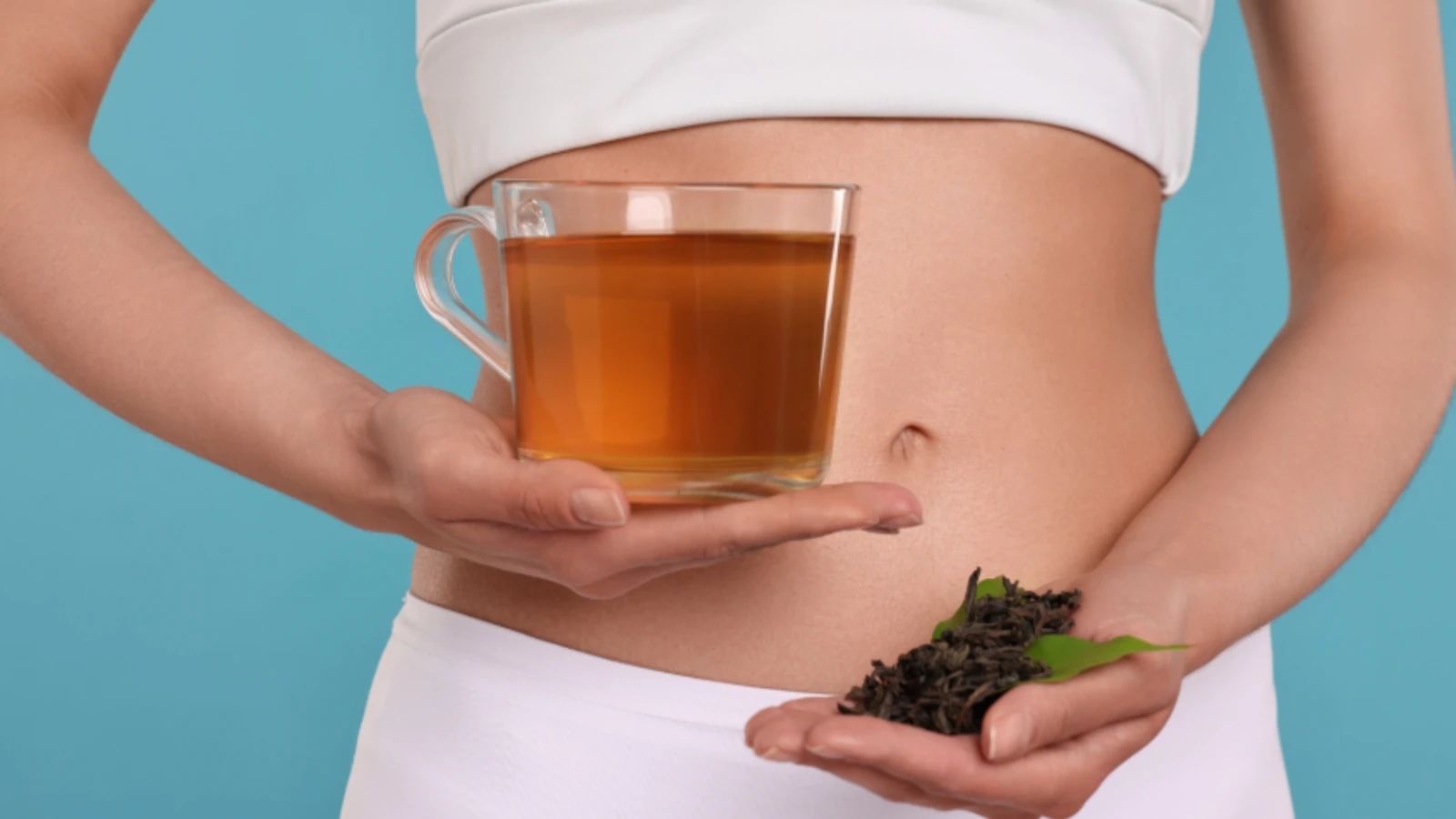
Warm water with a pinch of sea salt kickstarts digestion and helps move trapped gas. Follow this with peppermint or ginger tea—both contain compounds that relax intestinal muscles and reduce spasms. Drink slowly and avoid using straws to prevent additional air intake.
Gentle abdominal massage using circular motions clockwise around your navel stimulates peristalsis and helps move gas through your system. Combine this with deep breathing exercises: inhale for 4 counts, hold for 4, exhale for 6. This activates your parasympathetic nervous system and promotes digestive function.
Simethicone-based medications break down gas bubbles, making them easier to expel. Take as directed with water, typically 40-80mg after meals. Digestive enzyme supplements work differently—they help break down proteins, fats, and carbohydrates that your body might struggle to process independently.
Strategic food choices can transform your digestive experience. Foods that reduce bloating work through various mechanisms: some contain natural enzymes, others provide beneficial bacteria, and many offer anti-inflammatory compounds that soothe the digestive tract. The goal is building a sustainable eating pattern that prevents bloating while nourishing your body.
Understanding which foods help versus hinder digestion empowers you to make informed choices that support long-term gut health support.
Ginger contains gingerol, a compound that accelerates gastric emptying and reduces nausea. Fresh ginger is most potent—grate it into teas or smoothies. Peppermint's menthol content relaxes digestive muscles, while fennel seeds contain anethole, which has antispasmodic properties.
Probiotic-rich foods like kefir, sauerkraut, and kimchi introduce beneficial bacteria that support a healthy gut microbiome. These foods are more effective than many supplements because they contain diverse bacterial strains and prebiotic fibers that feed good bacteria.
Cruciferous vegetables like broccoli and cauliflower contain raffinose, a complex sugar that produces gas during digestion. Cooking these vegetables breaks down some of these compounds, making them easier to digest. Beans and legumes pose similar challenges but can be better tolerated when soaked overnight and cooked thoroughly.
Natural digestion aids work with your body's existing systems to optimize digestive function. Unlike harsh medications that can disrupt natural processes, these solutions support and enhance your body's ability to break down food efficiently. The key is understanding which aids work best for your specific digestive challenges.
Building a comprehensive approach that includes both immediate relief tools and long-term support strategies creates lasting digestive wellness.
Digestive enzymes break down macronutrients into absorbable components. Proteases handle proteins, lipases work on fats, and amylases process carbohydrates. Take them 15-30 minutes before meals for optimal effectiveness. Look for broad-spectrum formulas that include multiple enzyme types.
Plant-based enzymes often work across a wider pH range than animal-derived versions, making them more versatile for different digestive conditions. At Ace Blend, our approach focuses on supporting natural digestive processes through clean, effective formulations.
Probiotic benefits extend far beyond basic digestion. Specific strains like Lactobacillus plantarum and Bifidobacterium lactis have shown particular effectiveness for reducing bloating and improving bowel regularity. These beneficial bacteria also support immune function and may influence mood through the gut-brain connection.
Consistency matters more than mega-doses. Taking smaller amounts daily builds sustainable bacterial populations better than sporadic high-dose supplementation.
Prevention beats treatment every time. These digestive health tips create an environment where bloating becomes rare rather than routine. Small, consistent changes in eating habits and lifestyle choices compound over time, leading to significant improvements in digestive comfort and overall wellness.
The most effective strategies address both mechanical aspects of digestion (how you eat) and biochemical factors (what supports optimal digestive function).
Mindful eating starts with eliminating distractions during meals. Put away devices, chew each bite 20-30 times, and pause between bites. This simple practice improves satiety signals and reduces the air swallowing that contributes to bloating.
Meal timing affects digestive efficiency. Eating your largest meal when digestive fire is strongest (typically midday) and allowing 3-4 hours between meals gives your system time to process food completely before the next intake.
Regular movement stimulates peristalsis and prevents food stagnation. Even a 10-minute walk after meals can significantly improve digestion. Stress management is equally crucial—chronic stress diverts blood flow from digestive organs and alters gut bacteria composition.
Quality sleep supports digestive repair and bacterial balance. Aim for 7-9 hours nightly, and avoid eating within 3 hours of bedtime to prevent sleep disruption and incomplete digestion.
When basic strategies aren't enough, advanced abdominal discomfort solutions may be necessary. Persistent bloating often indicates underlying imbalances that require targeted approaches. Understanding these deeper issues helps you work with healthcare providers to develop effective treatment plans.
These solutions address complex digestive conditions that don't respond to general recommendations alone.
SIBO (Small Intestinal Bacterial Overgrowth) requires specific dietary protocols and sometimes antimicrobial treatments. The low-FODMAP diet can provide temporary relief while addressing underlying causes. IBS management often involves identifying personal trigger foods through systematic elimination and reintroduction protocols.
Food sensitivity testing can reveal hidden triggers that standard allergy tests miss. These delayed reactions often manifest as bloating, fatigue, and digestive discomfort hours after eating problematic foods.
Gastroenterologists can perform specialized tests like breath tests for SIBO, colonoscopies to rule out structural issues, and comprehensive stool analyses to assess bacterial balance and digestive function. Functional medicine practitioners often take a more holistic approach, examining factors like stress, sleep, and environmental toxins that impact digestive health.
For immediate relief, try warm water with ginger, gentle abdominal massage, and deep breathing exercises. Avoid carbonated drinks and chew food thoroughly. Digestive enzymes taken before meals can prevent bloating from occurring.
Ginger, peppermint, fennel, cucumber, and probiotic-rich foods like kefir and sauerkraut are excellent choices. These foods contain natural compounds that support digestion and reduce gas production.
Seek medical attention if bloating persists for more than two weeks, is accompanied by severe pain, weight loss, or changes in bowel habits. These symptoms could indicate underlying conditions requiring professional evaluation.
Yes, digestive enzyme supplements can be highly effective, especially for people with enzyme deficiencies or those eating foods their bodies struggle to break down. Take them 15-30 minutes before meals for best results.
Immediate strategies can provide relief within hours, while building a healthy gut microbiome typically takes 2-4 weeks of consistent effort. Long-term improvements in digestive function may take 2-3 months of sustained healthy habits.
Effective bloating relief combines immediate strategies with long-term digestive health support. Understanding your personal triggers, implementing proven natural solutions, and maintaining consistent healthy habits creates lasting digestive wellness. Remember that sustainable improvement takes time—be patient with your body as you implement these changes.
Start with the immediate relief strategies when discomfort strikes, then gradually build the prevention habits that will transform your digestive health. Your gut is incredibly adaptable, and with the right support, you can achieve the comfortable, confident digestion you deserve.


Someone sent you
Powered by ReferRush