


Sprouts Protein: Your Complete Nutritional Guide

Get personalised recommendations with our assessment.
Personalised Health Diagnosis (PHD)
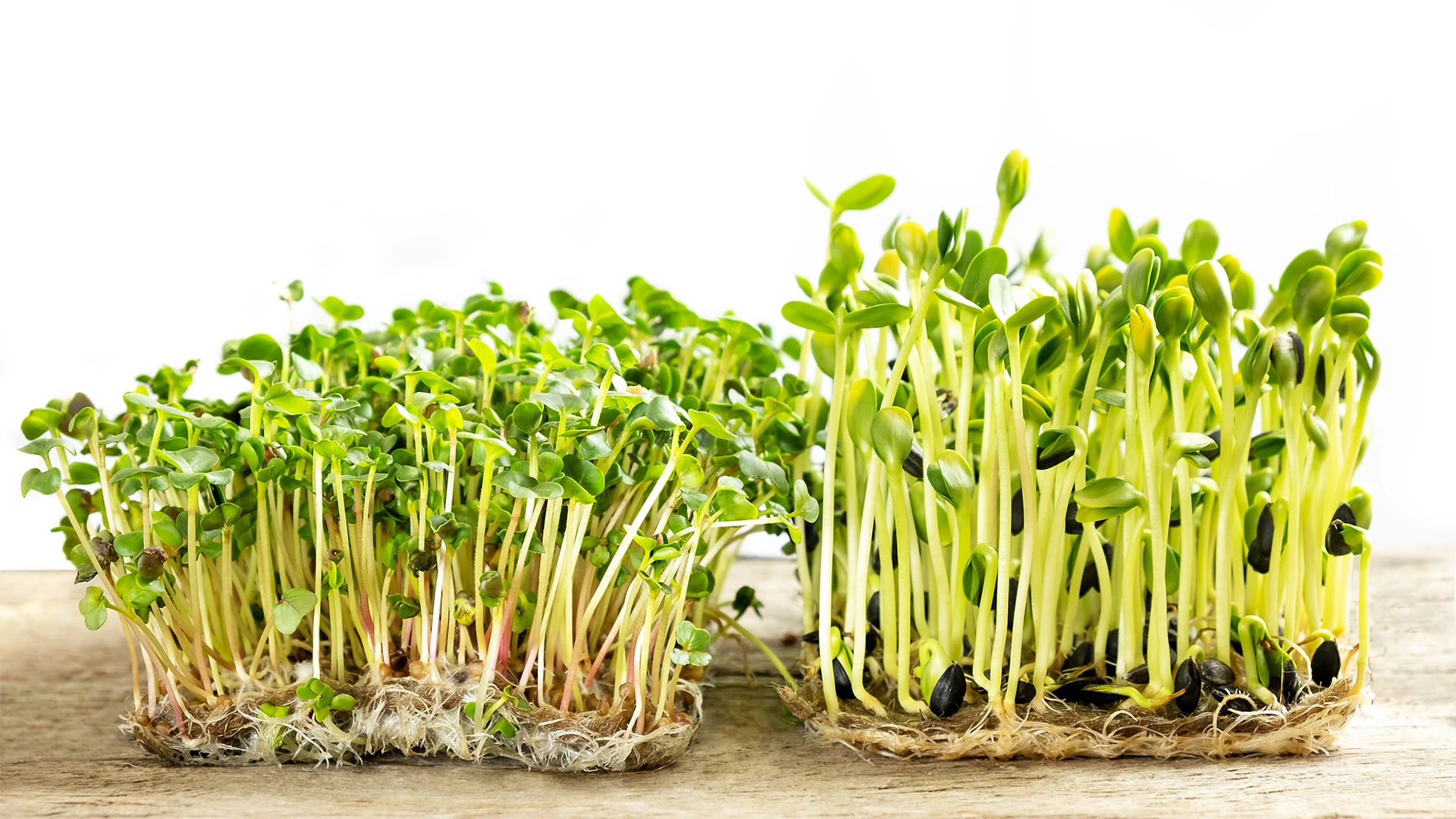
Sprouts have quietly revolutionized the way we think about plant-based nutrition. These tiny powerhouses pack an impressive protein punch that rivals many traditional sources, yet most people remain clueless about their true potential. The sprouting process doesn't just transform seeds—it unlocks a nutritional treasure trove that your body can actually use. While the fitness world obsesses over exotic superfoods, sprouts sit right under our noses, delivering clean protein with zero processing drama. Let's dive deep into the science behind sprouts protein content and discover why these humble gems deserve a permanent spot in your nutrition arsenal.
Sprouting transforms ordinary seeds into nutritional powerhouses through a fascinating biological process. When seeds germinate, they break down complex proteins into simpler, more digestible forms while simultaneously increasing overall sprouts protein content. This natural transformation boosts protein bioavailability by 15-30% compared to their unsprouted counterparts. The magic happens at the cellular level. During sprouting, enzymes activate and begin breaking down anti-nutritional factors like phytic acid and tannins. These compounds typically block protein absorption in raw seeds. Once eliminated, your digestive system can access and utilize the protein more efficiently. Research shows that sprouted legumes contain higher levels of free amino acids, making them easier for your body to process and absorb.
Sprouts deliver all nine essential amino acids your body cannot produce on its own. The sprouting process enhances the amino acid profile significantly, particularly increasing lysine and methionine levels. These amino acids are often limiting factors in plant-based proteins, making sprouts an exceptional choice for vegetarians and vegans.
Unsprouted seeds contain enzyme inhibitors that reduce protein digestibility to around 60-70%. Sprouting eliminates these inhibitors, pushing digestibility rates up to 85-90%. This means your body can actually use more of the protein you consume, making sprouts a more efficient protein source than many realize.
Not all sprouts are created equal when it comes to protein in different sprouts. The protein content varies dramatically depending on the original seed or legume used for sprouting. Understanding these differences helps you make informed choices based on your specific protein needs. Lentil sprouts top the charts with an impressive 8.96g of protein per 100g serving. These fiber-rich sprouts provide nearly 18% of your daily protein needs in just one cup. Chickpea sprouts follow closely with 8.86g per 100g, offering a nutty flavor profile that works well in salads and stir-fries.
Mung bean sprouts contain 3.04g of protein per 100g. While lower in protein than legume sprouts, they're incredibly versatile and widely available. Their mild flavor makes them perfect for adding to soups, sandwiches, and Asian dishes without overwhelming other flavors.
Alfalfa sprouts provide 3.99g of protein per 100g along with impressive vitamin K and folate content. These delicate sprouts work beautifully as garnishes and add a fresh, slightly nutty taste to meals. Their small size makes them easy to incorporate into smoothies and salads.
Sunflower sprouts deliver 5.6g of protein per 100g with a satisfying crunch and mild, nutty flavor. Broccoli sprouts contain 2.6g of protein per 100g but compensate with exceptional sulforaphane content, a powerful antioxidant compound.
When you're serious about maximizing protein intake from sprouts, certain varieties stand out as clear winners. These high protein sprouts can significantly contribute to your daily protein requirements while delivering additional nutritional benefits that processed protein sources simply cannot match. Lentil and chickpea sprouts dominate the high-protein category, but pea sprouts deserve special mention with their impressive 6.8g of protein per 100g. These sprouts offer a sweet, fresh flavor that works well in both raw and cooked applications. Their protein quality rivals that of animal sources, making them exceptional for muscle building and recovery.
Protein quality matters as much as quantity. Sprouted legumes score between 0.7-0.9 on the Protein Digestibility Corrected Amino Acid Score (PDCAAS), with 1.0 being perfect. This puts them in the same league as many animal proteins for biological value and utilization.
Optimal sprouting time directly impacts protein content. Most legumes reach peak protein levels after 3-5 days of sprouting. Beyond this point, protein content may decrease as the sprout uses amino acids for growth. Temperature control between 68-78°F ensures maximum protein development without compromising safety.
The sprouts amino acid profile tells a compelling story about plant-based protein quality. While individual sprout varieties may be limiting in certain amino acids, the sprouting process significantly improves the overall amino acid composition compared to unsprouted seeds. Legume sprouts like lentils and chickpeas provide excellent lysine content but may be lower in methionine. Seed sprouts like sunflower offer good methionine levels but less lysine. This natural complementarity makes combining different sprout types a smart strategy for achieving complete protein profiles.
Sprouted mung beans contain all essential amino acids, with particularly high levels of leucine (important for muscle protein synthesis) and isoleucine (crucial for energy metabolism). The leucine content in sprouted legumes ranges from 6-8% of total protein, meeting the threshold needed to stimulate muscle protein synthesis.
Several factors influence how well your body uses sprouts protein. Consuming sprouts with vitamin C-rich foods enhances amino acid absorption. The natural enzymes present in fresh sprouts also aid in protein digestion, reducing the metabolic burden on your digestive system.
The connection between sprouts for gut health and protein utilization runs deeper than most realize. Sprouts deliver protein alongside prebiotic fibers that feed beneficial gut bacteria, creating an optimal environment for protein digestion and absorption. Fresh sprouts contain active enzymes like amylase, protease, and lipase that assist in breaking down proteins, carbohydrates, and fats. This enzymatic activity reduces digestive stress and allows for more efficient nutrient extraction. Unlike processed protein powders that may stress the digestive system, sprouts protein comes pre-packaged with digestive support.
Sprouts contain both soluble and insoluble fiber that promotes healthy gut microbiome diversity. A balanced gut microbiome improves protein synthesis and amino acid metabolism throughout the body. Research indicates that people with healthier gut bacteria utilize dietary protein more efficiently.
Chronic gut inflammation impairs protein absorption and utilization. Sprouts contain natural anti-inflammatory compounds like sulforaphane (in broccoli sprouts) and saponins (in legume sprouts) that help maintain gut barrier integrity and reduce inflammatory responses that could interfere with protein metabolism.
The relationship between sprouts for metabolism and protein content creates a synergistic effect that supports overall metabolic health. Sprouts protein has a higher thermic effect than many other plant proteins, meaning your body burns more calories digesting and processing it. Sprouts naturally contain B-vitamins essential for protein metabolism, including B6, folate, and thiamine. These vitamins act as cofactors in amino acid metabolism and protein synthesis pathways. The chromium and magnesium found in sprouted legumes also support healthy blood sugar regulation, preventing the metabolic disruption that can interfere with protein utilization.
Protein from sprouts requires approximately 20-30% of its calories for digestion and metabolism, compared to 5-10% for carbohydrates and fats. This higher thermic effect contributes to increased metabolic rate and can support healthy weight management when sprouts are part of a balanced diet.
The complete amino acid profile in sprouted legumes provides the building blocks necessary for maintaining and building lean muscle tissue. Higher muscle mass correlates with increased metabolic rate, creating a positive feedback loop for metabolic health.
Answer: Sprouting typically increases protein digestibility by 15-30% while slightly reducing total protein content by 5-10%. However, the net effect is positive because your body can actually use more of the available protein. The sprouting process breaks down anti-nutritional factors and creates more bioavailable amino acids.
Answer: Lentil sprouts lead with 8.96g protein per 100g, followed closely by chickpea sprouts at 8.86g per 100g. Pea sprouts provide 6.8g per 100g, while sunflower sprouts offer 5.6g per 100g. These varieties provide the most protein bang for your nutritional buck.
Answer: Sprouts can be part of a complete protein strategy but shouldn't be your only source. While they provide all essential amino acids, you'd need to consume large quantities to match meat's protein density. Combining different sprout varieties with other plant proteins creates a more practical approach.
Answer: Yes, sprouted proteins are significantly easier to digest. The sprouting process activates enzymes that break down complex proteins and eliminates compounds that inhibit digestion. This results in 85-90% digestibility compared to 60-70% for unsprouted seeds.
Answer: A serving of 1-2 cups of mixed sprouts daily provides 6-15g of high-quality protein. This amount delivers protein benefits while providing fiber, vitamins, and minerals. Start with smaller amounts if you're new to eating sprouts to allow your digestive system to adjust.
Answer: Light cooking (steaming or brief stir-frying) has minimal impact on protein content but may actually improve digestibility for some people. However, overcooking can denature proteins and reduce their biological value. Raw or lightly cooked sprouts provide optimal protein benefits.
Answer: Store fresh sprouts in the refrigerator in breathable containers for 3-5 days maximum. Rinse them daily with cold water to maintain freshness. Protein quality degrades rapidly after this timeframe, so consume sprouts as fresh as possible for maximum nutritional benefit.
Sprouts represent one of nature's most efficient protein delivery systems, offering bioavailable amino acids with built-in digestive support. The sprouting process transforms ordinary seeds into nutritional powerhouses that your body can actually use, making them far more valuable than their modest appearance suggests. While sprouts alone won't meet all your protein needs, they serve as an excellent foundation for a plant-forward nutrition strategy. Their unique combination of protein, fiber, enzymes, and micronutrients creates synergistic effects that support both gut health and metabolic function. Whether you're looking to diversify your protein sources or support digestive wellness, sprouts offer a clean, unprocessed solution that aligns with modern nutritional science. The key lies in variety and consistency. Incorporating different types of sprouts into your daily routine ensures you're getting a complete amino acid profile while supporting your body's natural digestive and metabolic processes. In a world of processed nutrition products, sprouts remind us that sometimes the simplest solutions are also the most effective.


Someone sent you
Powered by ReferRush