


Sprouts Protein: Everything You Need to Know

Get personalised recommendations with our assessment.
Personalised Health Diagnosis (PHD)
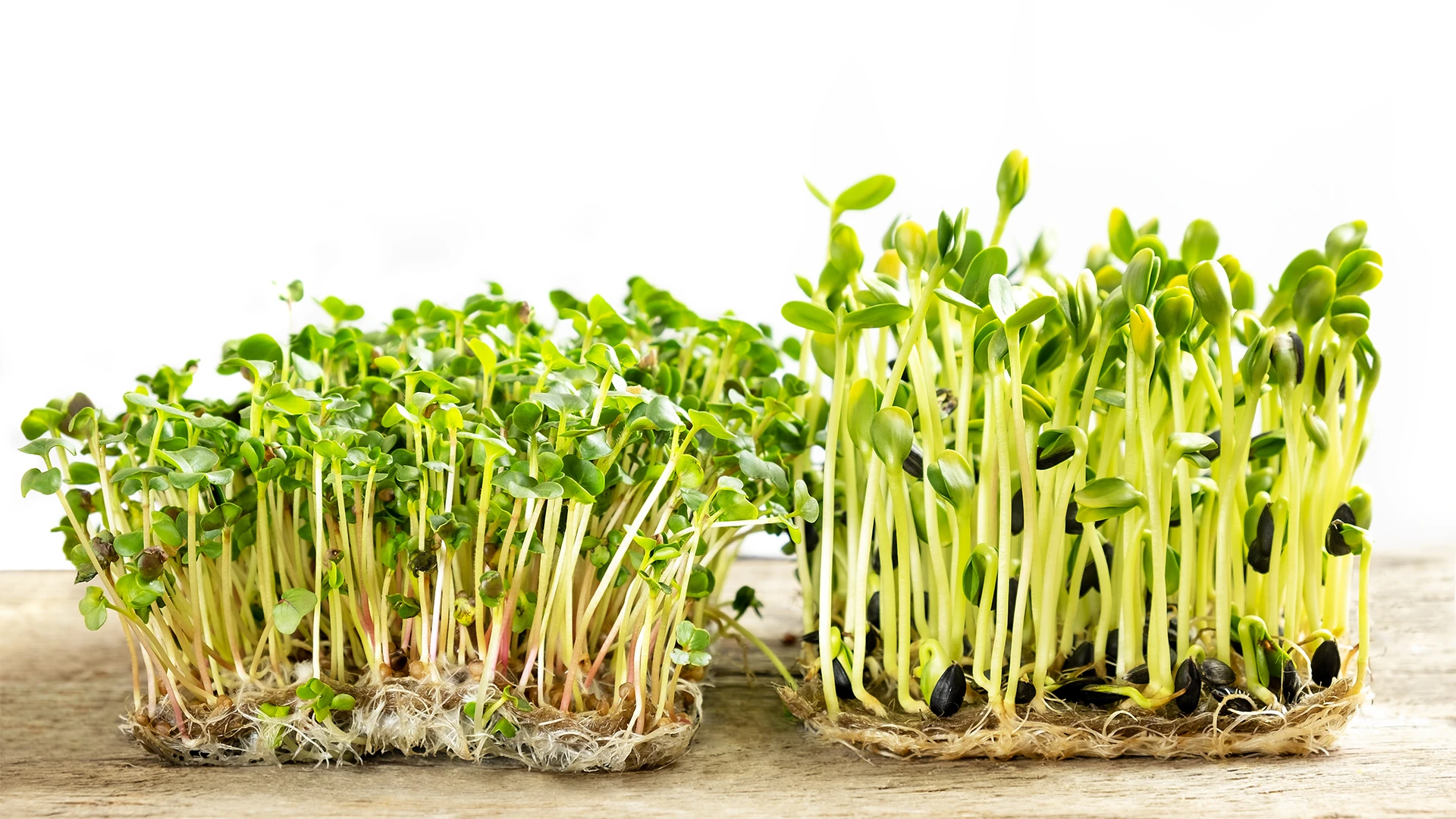
Sprouts have quietly revolutionized the way we think about plant-based nutrition. These tiny powerhouses pack an impressive nutritional punch that rivals many traditional protein sources. When you're looking to optimize your gut health and metabolic balance, understanding the protein in 100 gm sprouts becomes crucial. The sprouting process transforms ordinary legumes and seeds into nutrient-dense superfoods that are easier to digest and more bioavailable than their unsprouted counterparts. Whether you're a fitness enthusiast tracking macros or someone seeking clean, plant-powered nutrition, sprouts offer a compelling solution that's both accessible and scientifically backed.
The protein content in sprouts varies significantly depending on the type you choose. This variation makes sprouts incredibly versatile for different dietary needs and health goals. Understanding these differences helps you make informed choices about which varieties to include in your daily nutrition plan.
Soybean sprouts lead the pack with an impressive 13 grams of protein per 100 grams, making them comparable to many animal-based protein sources. Lentil sprouts follow closely with 9 grams, while chickpea sprouts provide 7.2 grams of high-quality plant protein.
• Soybean sprouts: 13g protein per 100g
• Lentil sprouts: 9g protein per 100g
• Chickpea (chana) sprouts: 7.2g protein per 100g
• Matki (moth bean) sprouts: 6g protein per 100g
• Alfalfa sprouts: 4g protein per 100g
• Moong (mung bean) sprouts: 3-3.04g protein per 100g
What sets sprouts apart from many plant proteins is their improved amino acid profile. The sprouting process enhances the availability of essential amino acids, particularly lysine and methionine. This makes sprouts a more complete protein source compared to their unsprouted versions. The germination process breaks down complex proteins into simpler, more digestible forms. This means your body can utilize the protein more efficiently, supporting muscle synthesis and metabolic functions without the digestive stress often associated with heavy protein sources.
While protein gets most of the attention, sprouts nutrition facts reveal a comprehensive nutritional profile that supports overall health. These miniature vegetables are nutritional powerhouses that deliver far more than their modest calorie count suggests. The caloric efficiency of sprouts makes them ideal for anyone focused on nutrient density. Most varieties contain only 29-40 calories per 100 grams while delivering substantial amounts of vitamins, minerals, and bioactive compounds.
The macronutrient profile of sprouts makes them perfect for balanced nutrition without excess calories. Their low fat content and moderate carbohydrate levels make them suitable for various dietary approaches.
• Calories: 29-40 kcal
• Carbohydrates: 6-8g
• Sprouts fibre content: 1.5-2g
• Fat content: 0.2-0.5g
Sprouts are exceptionally rich in vitamin C, often containing more than many citrus fruits. They're also excellent sources of vitamin K for bone health and folate for cellular function. The mineral content includes significant amounts of iron, potassium, and magnesium. The antioxidant compounds in sprouts, including flavonoids and phenolic acids, provide additional health benefits beyond basic nutrition. These compounds support cellular health and may help reduce oxidative stress in the body.
Not all sprouts are created equal when it comes to nutrition and taste. Understanding the different types of sprouts helps you select varieties that align with your health goals and culinary preferences. Each variety offers unique benefits, from the mild, crunchy texture of mung bean sprouts to the robust, nutty flavor of chickpea sprouts. The choice often depends on your specific nutritional needs and how you plan to incorporate them into your meals.
For maximum protein intake, soybean and lentil sprouts are your best options. If you're focused on digestive health, alfalfa and mung bean sprouts provide excellent prebiotic fibre. Chickpea sprouts offer a balanced approach with good protein content and satisfying texture.
• High protein: Soybean, lentil, chickpea sprouts
• Digestive support: Alfalfa, mung bean sprouts
• Beginner-friendly: Mung bean, alfalfa sprouts
• Culinary versatility: Chickpea, lentil sprouts
The connection between sprouts for digestion and overall health is profound. Sprouting dramatically increases the bioavailability of nutrients while reducing anti-nutritional factors that can interfere with digestion. This makes sprouts particularly valuable for anyone dealing with digestive sensitivities or seeking to optimize gut health. The enzyme content in fresh sprouts aids in breaking down complex nutrients, essentially pre-digesting food components to reduce the burden on your digestive system. This is why many people find sprouts easier to digest than their unsprouted counterparts.
The prebiotic fibre in sprouts feeds beneficial gut bacteria, promoting a healthy microbiome. This fibre also helps regulate bowel movements and supports the intestinal barrier function. Regular consumption of sprouts can contribute to improved gut health and enhanced nutrient absorption. The anti-inflammatory compounds in sprouts may help reduce digestive inflammation, creating a more favorable environment for nutrient absorption and overall gut health. This makes sprouts particularly beneficial for those with sensitive digestive systems.
Sprouts support healthy blood sugar regulation due to their fibre content and low glycemic index. The combination of protein and fibre helps stabilize energy levels throughout the day. Their nutrient density also supports efficient metabolic processes without adding excess calories.
Eating 100 grams of sprouts daily is generally safe and beneficial for most people. This amount provides substantial nutrition without overwhelming your digestive system. However, individual tolerance can vary, especially when first introducing sprouts into your diet. Starting with smaller portions and gradually increasing intake allows your digestive system to adapt. Most people can comfortably consume 100-150 grams of sprouts daily as part of a balanced diet.
Proper preparation and storage are crucial for safe sprout consumption. Always rinse sprouts thoroughly before eating and consume them fresh. If you have compromised immunity or digestive issues, lightly steaming sprouts can reduce any potential bacterial concerns while preserving most nutrients. Pregnant women and immunocompromised individuals should consult healthcare providers before adding raw sprouts to their diet. Cooking sprouts lightly can provide similar benefits with reduced risk.
To optimize the gut-metabolic benefits of sprouts, timing and preparation matter. Consuming sprouts with meals can enhance the absorption of fat-soluble vitamins from other foods. Their fibre content also helps slow sugar absorption, supporting stable blood glucose levels. Combining different sprout varieties provides a broader spectrum of nutrients and flavors. Mixing high-protein varieties like chickpea sprouts with milder options like mung bean sprouts creates balanced, satisfying meals.
Raw sprouts retain maximum enzyme activity and vitamin content. However, light steaming or stir-frying can improve digestibility for some people while maintaining most nutritional benefits. The key is minimal cooking time to preserve heat-sensitive nutrients. Proper washing involves multiple rinses with clean water. Some people prefer to soak sprouts briefly in diluted vinegar solution for additional safety, though this isn't necessary for commercially grown sprouts from reputable sources.
Answer: The protein content varies by type. Soybean sprouts contain the highest amount at 13g per 100g, followed by lentil sprouts at 9g, chickpea sprouts at 7.2g, and mung bean sprouts at 3g per 100g.
Answer: Sprouted moong (mung bean) contains approximately 3-3.04 grams of protein per 100 grams. While lower in protein than other varieties, moong sprouts are highly digestible and rich in enzymes that support gut health.
Answer: Yes, consuming 100 grams of sprouts daily is safe and beneficial for most people. This amount provides excellent nutrition without excessive calories. Start with smaller portions if you're new to eating sprouts regularly.
Answer: Most sprouts contain 29-40 calories per 100 grams, making them extremely nutrient-dense with minimal caloric impact. This makes them ideal for weight management while ensuring adequate nutrition.
Answer: Alfalfa and lentil sprouts typically have the highest fibre content, providing 1.5-2 grams per 100g serving. This fibre supports digestive health and helps maintain stable blood sugar levels.
Answer: Raw sprouts retain maximum enzymes and nutrients that aid digestion. However, people with sensitive digestive systems may find lightly steamed sprouts easier to tolerate while still gaining most nutritional benefits.
Sprouts represent one of nature's most efficient protein and nutrient delivery systems. With protein content ranging from 3-13 grams per 100 grams depending on variety, they offer substantial nutritional value in a low-calorie package. The sprouting process enhances digestibility and bioavailability, making these nutrients more accessible to your body. For optimal gut-metabolic health, incorporating a variety of sprouts into your daily routine provides diverse nutrients while supporting digestive function. Whether you choose high-protein soybean sprouts or gentle mung bean varieties, you're investing in clean, plant-powered nutrition that aligns with modern wellness goals. The key is consistency and proper preparation to maximize both safety and nutritional benefits.


Someone sent you
Powered by ReferRush