


Sprouts vs. Other Veggies: Which Packs More Punch?

Get personalised recommendations with our assessment.
Personalised Health Diagnosis (PHD)
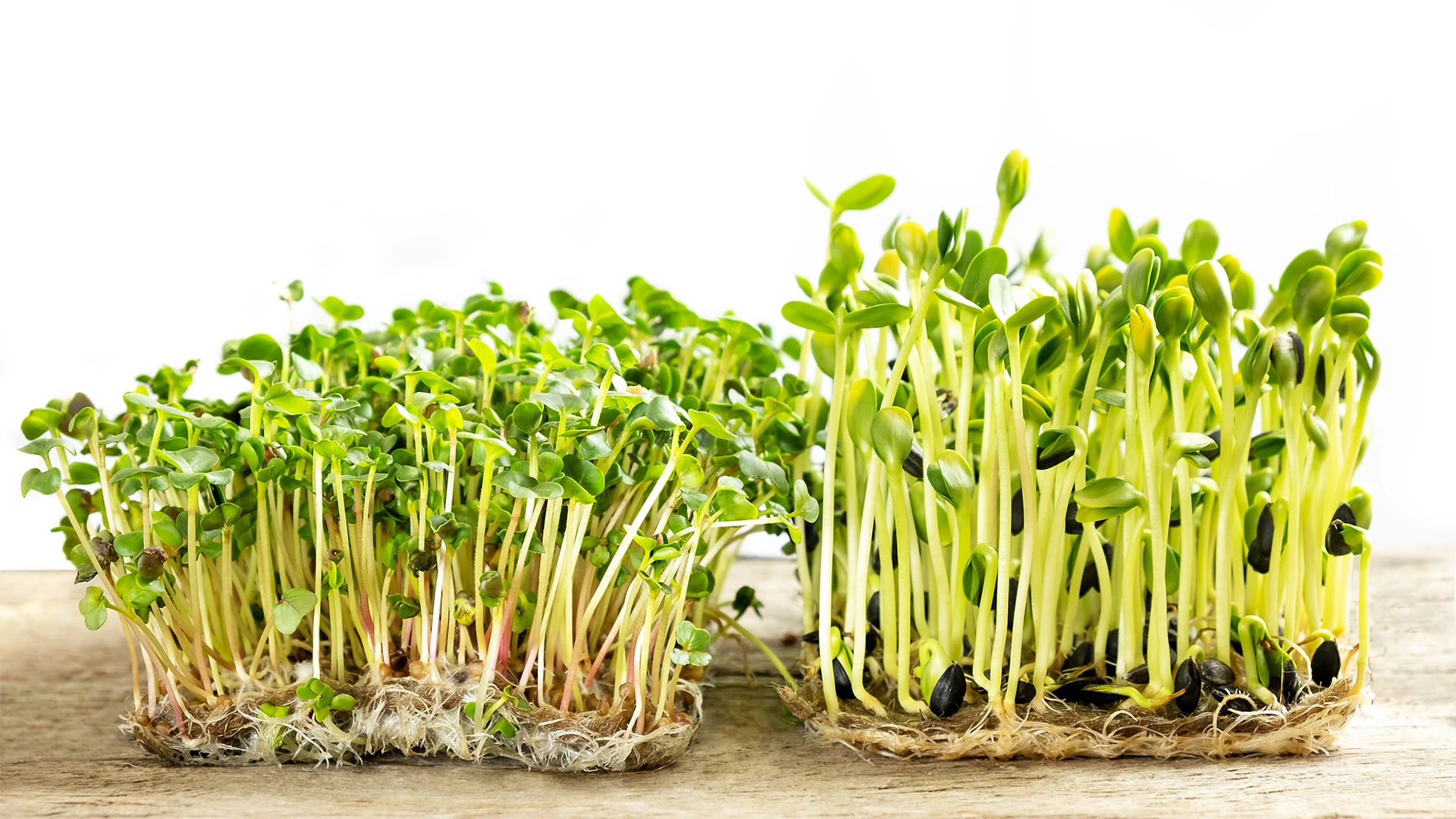
When you think about nutritional powerhouses, sprouts probably don't top your list. But here's the thing—these tiny green gems pack more nutritional punch per calorie than most vegetables sitting in your fridge. We're talking about serious nutrient density that makes your typical salad greens look basic. Sprouts calories are remarkably low, but their nutritional profile is anything but. While the wellness industry keeps pushing expensive superfoods, sprouts have been quietly delivering exceptional nutrition at a fraction of the cost. Let's break down why these miniature vegetables deserve a permanent spot on your plate and how they stack up against other vegetables in the nutrition game.
The caloric content of sprouts is genuinely impressive when you consider what you're getting nutritionally. Most sprouts calories range between 13-30 calories per 100 grams, making them one of the lowest-calorie foods you can consume. But here's where it gets interesting—this isn't just about being low-calorie; it's about maximizing nutrition per calorie consumed.
Mung bean sprouts contain approximately 13 calories per 100g, while alfalfa sprouts clock in at around 23 calories. Broccoli sprouts fall somewhere in the middle at 17 calories per 100g. Compare this to other popular vegetables: spinach has 23 calories, lettuce has 15 calories, and even cucumber contains 16 calories per 100g.
What sets sprouts apart isn't just their low calorie count—it's their exceptional nutrient density. You're getting significantly more vitamins, minerals, and bioactive compounds per calorie than most vegetables. This makes sprouts an ideal choice for anyone looking to maximize nutrition while managing caloric intake.
The real magic of sprouts lies in their comprehensive nutritional profile. These aren't just low-calorie fillers—they're nutritional powerhouses that deliver substantial health benefits. Sprouts macros reveal a surprisingly robust nutritional composition that rivals many traditional vegetables.
Sprouts protein content is genuinely impressive for a vegetable. Mung bean sprouts provide about 3 grams of protein per 100g, while alfalfa sprouts deliver around 4 grams. This protein is complete, containing all essential amino acids your body needs. For context, that's more protein per calorie than many traditional vegetables offer.
Sprouts carbs are primarily complex carbohydrates with minimal simple sugars. Most sprouts contain 2-4 grams of carbohydrates per 100g, with a significant portion coming from fibre. This low carbohydrate content makes sprouts ideal for those managing blood sugar levels or following lower-carb eating patterns.
Sprouts fiber content is substantial relative to their caloric density. Most sprouts provide 1.5-2.5 grams of fibre per 100g serving. This fibre supports digestive health, helps maintain stable blood sugar levels, and contributes to satiety—making you feel fuller despite the low calorie count.
Sprouts vitamins include impressive amounts of vitamin C, vitamin K, and various B vitamins. Many sprouts contain more vitamin C per serving than citrus fruits. Sprouts minerals include iron, manganese, phosphorus, and potassium. The sprouting process actually increases the bioavailability of these nutrients, making them easier for your body to absorb.
The relationship between sprouts and metabolic health goes far beyond their low calorie content. Sprouts metabolic effects include enhanced insulin sensitivity, improved glucose metabolism, and increased fat oxidation. This makes them particularly valuable for anyone focused on metabolic health optimization.
Sprouts help stabilize blood sugar levels through their fibre content and bioactive compounds. The low glycemic index of sprouts means they won't cause blood sugar spikes, making them ideal for sustained energy levels throughout the day.
Despite their low calorie content, sprouts provide substantial satiety. The combination of protein, fibre, and water content helps you feel full while consuming minimal calories. This makes sprouts an excellent tool for weight management without feeling deprived.
The bioactive compounds in sprouts, particularly sulforaphane in broccoli sprouts, have been shown to enhance metabolic function. These compounds support cellular energy production and may help increase metabolic rate naturally.
Not all sprouts are created equal when it comes to nutrition and calories. Understanding the differences helps you choose the right sprouts for your specific health goals and preferences.
Mung bean sprouts are the lowest in calories but highest in protein among common sprout varieties. They provide excellent sprouts gut health benefits through their prebiotic fibre content. These sprouts are particularly rich in folate and vitamin C.
Alfalfa sprouts offer the highest mineral content, particularly calcium and iron. They're slightly higher in calories but provide exceptional nutritional density. The chlorophyll content in alfalfa sprouts supports detoxification processes.
Broccoli sprouts are nutritional superstars, containing 20-50 times more sulforaphane than mature broccoli. This compound has powerful anti-inflammatory and antioxidant properties. While slightly higher in calories than mung bean sprouts, the health benefits are extraordinary.
It's worth noting that brussels sprouts nutrition differs significantly from sprouted seeds. Brussels sprouts are mature vegetables with about 43 calories per 100g, while sprouted seeds are much lower in calories but often higher in certain nutrients due to the sprouting process.
Incorporating sprouts effectively into your diet requires understanding how to maximize their nutritional benefits while maintaining palatability. The goal is making sprouts a sustainable part of your eating pattern rather than a temporary addition.
Raw sprouts provide maximum nutritional value, as cooking can reduce certain heat-sensitive vitamins. However, light steaming or quick stir-frying can make them more digestible while retaining most nutrients. The key is minimal cooking time and gentle heat.
While sprouts are low in calories, they're most beneficial when consumed regularly in moderate portions rather than large amounts occasionally. Aim for 50-100 grams per serving, which provides substantial nutrition while remaining easily digestible.
Sprouts work exceptionally well when combined with healthy fats and complete proteins. This combination enhances nutrient absorption while creating more satisfying meals. Consider adding sprouts to salads with nuts, seeds, or plant-based proteins from sources like Ace Blend's protein powders.
Answer: Calorie content varies by sprout type. Mung bean sprouts contain about 13 calories per 100g, alfalfa sprouts have approximately 23 calories, and broccoli sprouts contain around 17 calories per 100g. These are among the lowest-calorie foods available while providing exceptional nutritional density.
Answer: Yes, sprouts are excellent for weight management due to their low calorie content combined with high fibre and protein. They provide satiety without excess calories, help stabilize blood sugar levels, and support metabolic health. The fibre content aids digestion and promotes feelings of fullness.
Answer: Protein content varies by sprout type. Mung bean sprouts provide about 3 grams of protein per 100g, while alfalfa sprouts offer around 4 grams. This protein is complete, containing all essential amino acids, making sprouts a valuable plant-based protein source.
Answer: Fresh, properly grown sprouts can be eaten raw and provide maximum nutritional benefits. However, ensure you're purchasing from reputable sources and storing them properly. If you have compromised immunity or digestive concerns, light cooking can improve safety while retaining most nutrients.
Answer: The sprouting process increases nutrient bioavailability and concentrates certain compounds. Sprouts often contain higher levels of vitamins, minerals, and bioactive compounds per calorie than their mature vegetable counterparts. They're also easier to digest due to the sprouting process breaking down complex compounds.
Sprouts deliver exceptional nutrition at minimal caloric cost, making them ideal for anyone focused on optimizing their nutritional intake. With calories ranging from 13-30 per 100 grams, sprouts provide substantial protein, fiber, vitamins, and minerals while supporting metabolic health and weight management goals. The sprouting process enhances nutrient bioavailability, making these tiny vegetables more nutritionally dense than many traditional options. Whether you choose mung bean, alfalfa, or broccoli sprouts, you're investing in a food that supports long-term health while fitting seamlessly into any eating pattern. The science is clear: sprouts aren't just low-calorie fillers—they're nutritional investments that pay dividends for your health.


Someone sent you
Powered by ReferRush