


Sattu Protein: Complete Nutrition Guide

Get personalised recommendations with our assessment.
Personalised Health Diagnosis (PHD)
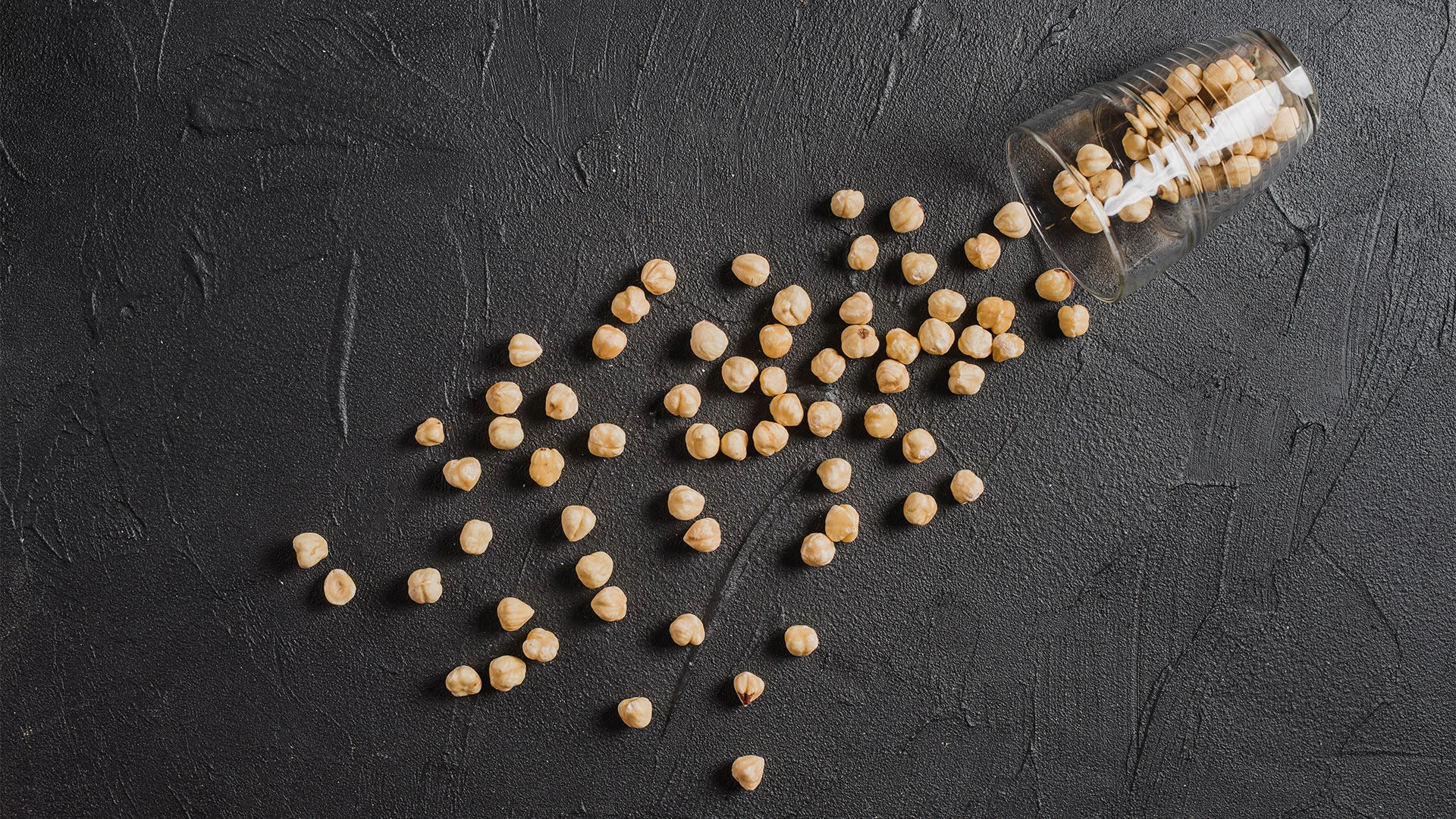
Sattu has quietly dominated Indian kitchens for centuries, but its protein powerhouse status is finally getting the recognition it deserves. This humble flour, traditionally made from roasted chana (Bengal gram) and sometimes barley, packs a nutritional punch that rivals expensive protein supplements. With growing awareness about plant-based nutrition and gut health, sattu emerges as a game-changing ingredient that delivers complete nutrition without the processing concerns of modern alternatives. Let's decode exactly what makes sattu a protein champion and why your gut will thank you for making the switch.
Sattu delivers an impressive 20-26 grams of protein per 100g, making it one of the most protein-dense plant-based flours available. This range varies depending on the primary ingredient—chana-based sattu typically contains 22-26g protein, while barley sattu sits at the lower end with 20-22g protein per 100g. To put this in perspective, sattu outperforms many popular protein sources. Quinoa contains 14g protein per 100g, while cooked lentils provide only 9g. Even chickpea flour, sattu's closest relative, contains slightly less protein at 20-22g per 100g. The key difference lies in sattu's roasting process, which concentrates nutrients and enhances protein bioavailability.
Sattu provides a complete amino acid profile, containing all nine essential amino acids your body cannot produce. The leucine content is particularly noteworthy at 1.8g per 100g, crucial for muscle protein synthesis. Lysine levels reach 1.5g per 100g, addressing the common deficiency in grain-based diets.
The roasting process that creates sattu breaks down anti-nutritional factors like phytic acid and tannins, improving protein digestibility to approximately 85-90%. This rivals the bioavailability of animal proteins while maintaining the fiber and micronutrient benefits of plant sources.
Beyond its impressive protein content, sattu delivers comprehensive nutrition that supports overall metabolic health. Per 100g, sattu provides approximately 413 calories, making it an energy-dense food perfect for sustained fuel. The macronutrient breakdown reveals why sattu works so effectively for metabolic balance:
• Carbohydrates: 60-65g (complex carbs with low glycemic impact)
• Dietary Fibre: 18-20g (both soluble and insoluble)
• Fat: 5-7g (primarily unsaturated)
• Protein: 20-26g (complete amino acid profile)
Sattu's micronutrient profile rivals that of expensive superfoods. Iron content reaches 9-12mg per 100g, addressing common deficiencies in plant-based diets. Magnesium levels hit 180-200mg, supporting over 300 enzymatic reactions in your body.
With a glycemic index of 35-40, sattu qualifies as a low-GI food that promotes stable blood sugar levels. This makes it ideal for sustained energy without the crashes associated with refined carbohydrates. The sattu energy value of 413 kcal per 100g provides dense nutrition without empty calories.
Sattu's impact on gut health extends far beyond basic nutrition, offering targeted benefits that support your microbiome and metabolic function. The high fibre content acts as a prebiotic, feeding beneficial bacteria and promoting a diverse gut ecosystem. The 18-20g of fibre per 100g includes both soluble and insoluble types. Soluble fibre helps regulate cholesterol and blood sugar, while insoluble fibre promotes regular bowel movements and gut barrier integrity. This dual-action approach addresses multiple aspects of digestive health simultaneously.
Sattu's low glycemic index and high fibre content work together to prevent blood sugar spikes. The protein content further slows glucose absorption, making sattu an excellent choice for metabolic health optimization. Regular consumption has been linked to improved insulin sensitivity and reduced inflammation markers.
The roasting process that creates sattu activates certain enzymes while making nutrients more bioavailable. This pre-digestion effect reduces the workload on your digestive system, making sattu easier to process than raw legume flours.
When evaluating plant-based proteins, sattu stands out for its completeness and digestibility. Unlike many plant proteins that lack certain essential amino acids, sattu provides all nine in adequate proportions for human needs. The protein quality of sattu scores impressively on both PDCAAS (Protein Digestibility Corrected Amino Acid Score) and DIAAS (Digestible Indispensable Amino Acid Score) metrics. With a PDCAAS of approximately 0.85, sattu approaches the quality of animal proteins while maintaining plant-based benefits.
Sattu's leucine content of 1.8g per 100g makes it effective for muscle protein synthesis. The complete amino acid profile supports both muscle building and recovery, making it suitable for athletes and fitness enthusiasts seeking plant-based options.
For those following plant-based diets, sattu addresses common protein concerns. A 50g serving provides 10-13g of complete protein, contributing significantly to daily requirements without the need for complex food combining strategies.
Understanding practical serving sizes helps optimize sattu's protein benefits for daily nutrition goals. Most people consume sattu in 30-50g servings, which provide substantial protein without overwhelming calories. Here's the protein breakdown for common serving sizes:
• 30g sattu: 6-8g protein (approximately 125 calories)
• 50g sattu: 10-13g protein (approximately 205 calories)
• 2 tablespoons (20g): 4-5g protein (approximately 85 calories)
• 1 cup prepared drink (40g): 8-10g protein (approximately 165 calories)
For optimal benefits, aim for 30-50g of sattu daily, split between meals or consumed as a mid-day drink. This provides 6-13g of high-quality protein while supporting digestive health through fibre intake.
Consume sattu 30-60 minutes before workouts for sustained energy, or post-workout within 2 hours for recovery benefits. The slow-digesting protein makes it ideal for evening consumption to support overnight muscle repair.
Proper preparation and consumption strategies can significantly enhance sattu's nutritional impact. Mixing sattu with water or plant milk creates a complete meal replacement that's easily digestible and nutrient-dense. Soaking sattu for 10-15 minutes before consumption improves digestibility and nutrient absorption. Adding a pinch of black pepper enhances mineral absorption, while combining with vitamin C-rich foods like lemon juice boosts iron uptake.
Store sattu in airtight containers away from light and moisture to preserve nutritional integrity. Properly stored sattu maintains its protein quality for 6-8 months. Look for organic, traditionally roasted varieties for maximum nutritional benefits.
Pairing sattu with healthy fats like nuts or seeds enhances fat-soluble vitamin absorption. Combining with probiotic foods like yogurt creates a synergistic effect for gut health, while adding to smoothies with fruits provides complete nutrition.
Answer: Sattu powder contains 20-26 grams of protein per 100g, with chana-based varieties typically providing 22-26g and barley-based versions offering 20-22g. This makes sattu one of the highest protein plant-based flours available.
Answer: While 100g of sattu daily is generally safe for healthy adults, it's quite a large serving providing 400+ calories and 20-26g protein. Most people benefit from 30-50g daily servings. Start with smaller amounts and gradually increase to assess tolerance.
Answer: Two tablespoons of sattu (approximately 20g) contain 4-5 grams of complete protein. This makes it an excellent addition to smoothies, yogurt, or traditional drinks for boosting protein intake.
Answer: A 30g serving of sattu provides 6-8 grams of high-quality protein along with approximately 125 calories. This serving size is ideal for daily consumption and fits well into most dietary plans.
Answer: Sattu can be consumed any time, but it's particularly effective post-workout for recovery or as an evening snack for sustained protein release. The slow-digesting protein makes it ideal for maintaining amino acid levels overnight.
Answer: Sattu provides complete protein with additional fibre, vitamins, and minerals that isolated protein powders lack. While protein supplements may have higher protein concentration, sattu offers whole food nutrition with better satiety and digestive benefits.
Sattu emerges as a nutritional powerhouse that delivers 20-26g of complete protein per 100g while supporting gut health and metabolic balance. Its impressive amino acid profile, low glycemic index, and high fibre content make it superior to many processed protein sources. The practical serving sizes of 30-50g daily provide substantial protein benefits without overwhelming your system. Whether you're seeking plant-based protein, gut health support, or sustained energy, sattu offers a time-tested solution that modern nutrition science validates. As the wellness industry continues embracing traditional foods with proven benefits, sattu stands out as an authentic superfood that doesn't need marketing hype—just recognition for what it's always been: complete nutrition in its purest form.


Someone sent you
Powered by ReferRush