


Sattu Nutrition 101: Complete Guide for Health

Get personalised recommendations with our assessment.
Personalised Health Diagnosis (PHD)
Sattu has quietly revolutionized traditional Indian nutrition for centuries, yet most people barely scratch the surface of its incredible health potential. This roasted gram flour isn't just another trendy superfood—it's a scientifically-backed nutritional powerhouse that delivers complete protein, essential minerals, and gut-friendly fibre in every serving. Whether you're tracking macros for fitness goals or seeking clean, plant-powered nutrition that actually works, understanding sattu's complete nutritional profile will change how you think about everyday wellness. Let's dive deep into the numbers, benefits, and practical ways to harness this ancient grain's modern health advantages.
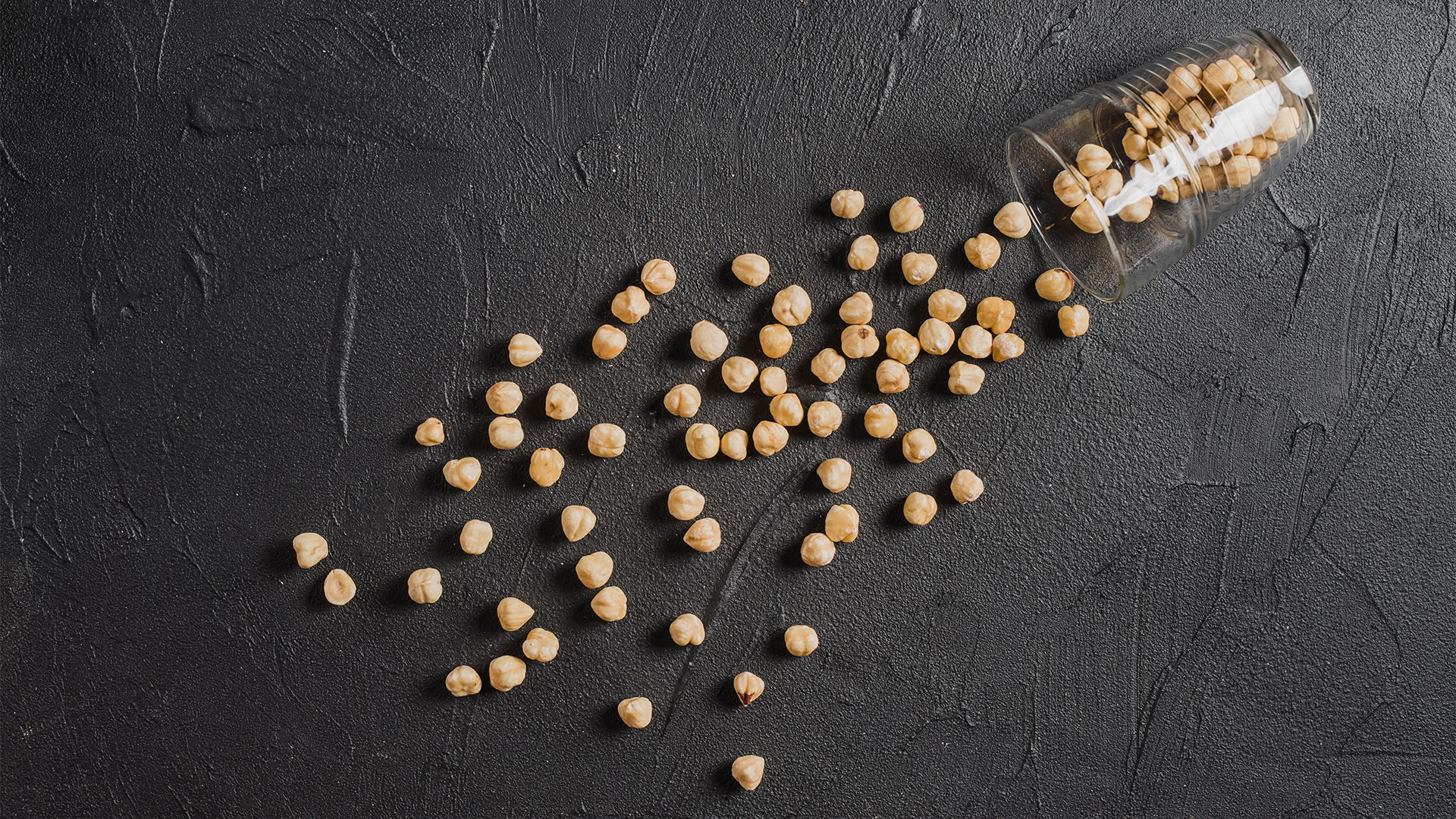
Sattu represents one of India's most underrated nutritional innovations—a roasted flour made primarily from Bengal gram (chana) that's been sustaining communities across the subcontinent for generations. The traditional preparation involves dry-roasting chickpeas until they develop a rich, nutty flavor, then grinding them into a fine powder that retains maximum nutritional density. This ancient superfood comes in several varieties, each offering unique nutritional benefits.
Chana sattu remains the most popular, made exclusively from roasted Bengal gram. Mixed grain sattu combines chickpeas with other legumes like black gram and barley for enhanced mineral content. Barley sattu provides additional fiber and B-vitamins, making it particularly beneficial for digestive health.
Traditionally consumed as a cooling summer drink in Bihar, Jharkhand, and Uttar Pradesh, sattu has transcended regional boundaries to gain recognition among health-conscious consumers worldwide. Its ability to provide sustained energy without blood sugar spikes makes it particularly valuable for modern lifestyles.
Unlike processed protein powders, sattu offers naturally occurring nutrients in their most bioavailable forms. The roasting process enhances digestibility while preserving essential amino acids, making it an ideal plant-based protein source for diverse dietary needs.
Understanding sattu nutritional value per 100g reveals why this humble flour deserves serious attention from anyone focused on optimized nutrition. The macronutrient profile alone positions sattu as a superior alternative to many commercial protein sources. Macronutrients per 100g:
• Calories: 370-413 kcal
• Protein: 20-26g (complete amino acid profile)
• Carbohydrates: 60-64g (complex carbs with low glycemic impact)
• Dietary Fibre: 10-18g (both soluble and insoluble)
• Total Fat: 5.5-7g (primarily unsaturated)
• Sugar: 2-4g (naturally occurring)
Essential Micronutrients per 100g:
• Calcium: 70-380mg (supports bone health)
• Iron: 5-58mg (prevents anemia)
• Magnesium: 170-270mg (muscle and nerve function)
• Potassium: 800-825mg (heart health and blood pressure)
• Phosphorus: 350-400mg (bone and teeth strength)
• Zinc: 3-4mg (immune system support)
• B-vitamins: Thiamine, Riboflavin, Niacin (energy metabolism)
For daily meal planning, understanding smaller portions helps with accurate nutrition tracking. Sattu nutritional value per 50g provides approximately 185-206 calories with 10-13g protein. A standard 30g serving delivers 111-124 calories and 6-8g protein, while one tablespoon (15g) contains roughly 55-62 calories with 3-4g protein.
When comparing sattu protein content to alternatives, the numbers tell a compelling story. Sattu provides 20-26g protein per 100g compared to besan's 22g, but with superior digestibility due to the roasting process. Unlike whey protein isolates, sattu delivers protein alongside fibre, minerals, and complex carbohydrates for sustained nutrition. The sattu glycemic index ranges from 35-45, significantly lower than refined grains and many processed foods. This low glycemic impact prevents blood sugar spikes while providing steady energy release throughout the day.
Research consistently demonstrates that sattu benefits extend far beyond basic nutrition, offering targeted support for multiple health systems. The unique combination of plant protein, fibre, and minerals creates synergistic effects that enhance overall wellness. The high protein density supports muscle synthesis and repair, while complex carbohydrates provide sustained energy without metabolic stress. Essential minerals like magnesium and potassium contribute to cardiovascular health, while B-vitamins support nervous system function.
The protein-fibre combination in sattu creates powerful satiety signals that naturally reduce calorie intake. Studies show that consuming 20-25g plant protein can increase thermogenesis by 8-10%, supporting healthy weight management through enhanced metabolism.
Sattu's prebiotic fibre content feeds beneficial gut bacteria, promoting a healthy microbiome. The soluble fibre forms a gel-like substance that slows digestion and enhances nutrient absorption, while insoluble fibre supports regular bowel movements and digestive comfort.
The low glycemic index combined with high fibre content makes sattu particularly beneficial for blood sugar control. Regular consumption can improve insulin sensitivity and reduce post-meal glucose spikes, making it valuable for diabetes management.
Potassium content supports healthy blood pressure, while magnesium contributes to proper heart rhythm. The fibre helps reduce LDL cholesterol levels, and antioxidants from roasted grains provide additional cardiovascular protection.
Optimal sattu consumption depends on individual health goals, activity levels, and overall dietary patterns. For most adults, 30-50g daily provides substantial nutritional benefits without digestive discomfort. Active individuals and those using sattu as a primary protein source can safely consume 50-75g daily, spread across multiple servings. This amount delivers 10-19g protein while contributing significant fibre and mineral intake to daily nutrition goals.
Children (5-12 years) benefit from 15-25g daily, mixed into smoothies or traditional drinks. Teenagers and young adults can consume 30-50g to support growth and development. Elderly individuals should start with 20-30g daily, gradually increasing based on digestive tolerance.
While generally safe, excessive consumption may cause digestive discomfort in sensitive individuals. Those with chickpea allergies should avoid sattu entirely. Starting with smaller portions allows the digestive system to adapt to increased fibre intake.
Incorporating sattu into daily meals doesn't require complex preparation or exotic ingredients. Simple sattu recipe variations can transform this nutritious flour into delicious, satisfying meals that support health goals. The versatility of sattu allows for both traditional preparations and modern culinary innovations. From cooling summer drinks to protein-rich baked goods, sattu adapts to various cooking methods while retaining nutritional integrity.
Classic sattu sherbet combines 2-3 tablespoons sattu with water, lemon juice, and a pinch of salt. This traditional preparation provides immediate hydration with sustained energy, making it perfect for hot weather or post-workout recovery.
Sattu smoothie bowls blend the flour with fruits and plant milk for a protein-rich breakfast. Sattu energy bars combine the flour with dates and nuts for convenient on-the-go nutrition. Sattu pancakes offer a high-protein alternative to traditional breakfast options.
Adding 1-2 tablespoons sattu to dal or curry increases protein content without altering taste significantly. Sattu can replace up to 25% of regular flour in baking recipes, boosting nutritional density while maintaining texture and flavor.
Answer: Sattu contains 20-26 grams of high-quality plant protein per 100g, providing all essential amino acids necessary for muscle synthesis and repair. This protein content rivals many animal-based sources while offering additional fiber and minerals.
Answer: While 100g daily is generally safe for healthy adults, most people benefit from 30-50g daily. Starting with smaller amounts allows your digestive system to adapt to the increased fibre content. Consult healthcare providers if you have specific health conditions.
Answer: Sattu offers superior digestibility compared to besan due to the roasting process, which breaks down complex proteins and enhances nutrient absorption. Both provide similar protein content, but sattu typically causes less digestive discomfort.
Answer: Yes, sattu contains 10-18g fibre per 100g, providing both soluble and insoluble types. This high fibre content supports digestive health, blood sugar control, and satiety for weight management.
Answer: Pure sattu should contain only roasted Bengal gram or specified grains without additives, preservatives, or artificial flavors. Organic options ensure minimal pesticide exposure and maximum nutritional integrity.
Answer: Sattu provides complete amino acids necessary for muscle protein synthesis, while complex carbohydrates support workout performance and recovery. The combination makes it effective for both muscle building and maintenance.
Sattu stands out as a nutritionally complete food that delivers exceptional value through its unique combination of plant protein, fiber, and essential minerals. With 20-26g protein per 100g and a low glycemic index, it supports multiple health goals from weight management to blood sugar control. The versatility of sattu makes it accessible for various dietary preferences and cooking styles. Whether consumed as a traditional drink or incorporated into modern recipes, sattu provides consistent nutritional benefits that align with clean, science-backed wellness approaches. For those seeking authentic plant-powered nutrition without compromise, sattu represents an ideal foundation for optimized daily nutrition. Its time-tested benefits, combined with modern nutritional science, position sattu as an essential component of contemporary healthy eating patterns.


Someone sent you
Powered by ReferRush